Top 2025 EV Charger Station Trends: What You Need to Know Now
As the electric vehicle (EV) market continues to surge, the demand for EV Charger Stations is experiencing unprecedented growth. According to industry expert Dr. Emily Carter, a renowned figure in sustainable transportation, "The expansion of EV Charger Stations is not just a necessity; it’s vital for the successful adoption of electric vehicles." This sentiment underscores the critical importance of understanding the evolving trends in charging infrastructure, which are shaping the future of mobility.
In 2025, we can expect innovative technologies, enhanced accessibility, and more strategic placements of EV Charger Stations to dominate the landscape. With governments and private sectors investing heavily in EV infrastructure, staying informed about these changes is essential for stakeholders across the board. Whether you're a consumer, provider, or policymaker, recognizing these trends will help in navigating the shifting paradigms of the electric vehicle industry and ensuring a seamless transition to a greener future.
From the rise of ultra-fast charging solutions to the integration of renewable energy sources, the future of EV Charger Stations is promising yet complex. As we delve deeper into the upcoming trends, it's crucial to explore how these developments will impact the way we interact with electric vehicles and the infrastructure that supports them.
Emerging Technologies in EV Charger Stations for 2025
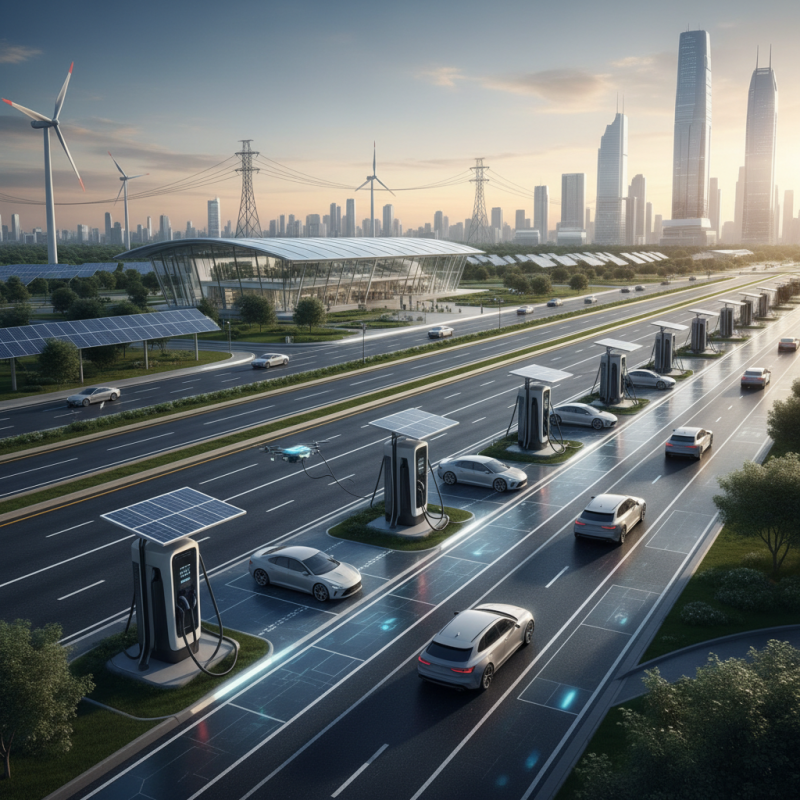
As the electric vehicle (EV) market continues to expand, the technology behind EV charging stations is rapidly evolving. By 2025, several emerging technologies are poised to transform the way these stations operate and serve users. One of the most significant trends is the rise of ultra-fast charging solutions that can drastically reduce charging times, making EVs more convenient for long-distance travel. These high-capacity chargers can provide substantial range in under 30 minutes, appealing to users who prioritize efficiency.
In addition to speed, the integration of smart technology is expected to play a crucial role in the evolution of EV charging stations. Features such as mobile app connectivity, real-time availability tracking, and advanced payment systems will create a seamless user experience. Furthermore, the implementation of artificial intelligence and machine learning algorithms will optimize charging station usage, predict peak times, and even suggest the best charging locations based on user habits and traffic patterns. These advancements not only enhance the user experience but also contribute to a more efficient energy management system, supporting the sustainable growth of EV infrastructure.
Key Market Trends Influencing EV Charger Station Development
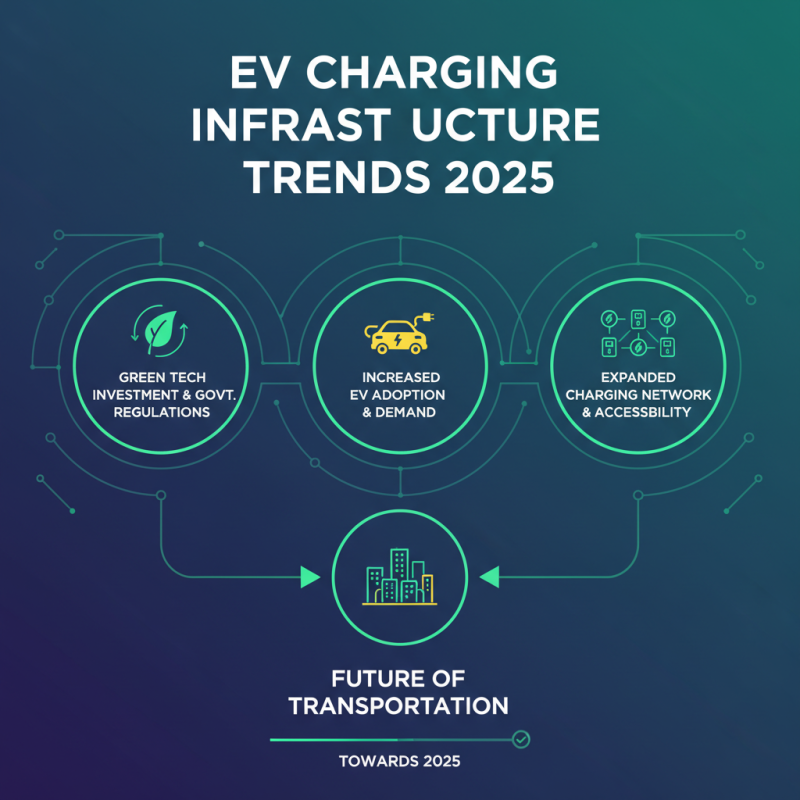
The development of electric vehicle (EV) charger stations is significantly influenced by a variety of market trends as we approach 2025. One of the most notable trends is the increasing investment in green technologies, spurred by governmental regulations and consumer demand for eco-friendly solutions. As regions implement stricter emissions standards and offer incentives for sustainable practices, the infrastructure for EV chargers is rapidly expanding to meet these new expectations. This shift not only promotes the adoption of electric vehicles but also fosters a more robust network of charging stations, making them more accessible to the public.
Another crucial trend is the integration of smart technology into EV charging solutions. As the Internet of Things (IoT) becomes more prevalent, charger stations are being equipped with advanced features such as real-time monitoring, remote diagnostics, and user-friendly interfaces. These innovations enhance the overall user experience by providing drivers with accurate information on charging availability, station status, and estimated wait times. Furthermore, the incorporation of renewable energy sources, like solar power, into charging stations is gaining traction, aligning with the overarching goal of reducing carbon footprints while improving energy efficiency in the EV ecosystem.
Government Policies and Incentives Supporting EV Charging Infrastructure
As electric vehicle (EV) adoption accelerates, government policies and incentives are playing a crucial role in shaping the charging infrastructure landscape. According to a report from the International Energy Agency (IEA), the number of public charging points worldwide grew to over 1.6 million in 2022, bolstered significantly by supportive legislation and funding initiatives. Many governments have recognized the necessity of a robust charging network to meet their climate goals and facilitate a smooth transition to electric transportation. Programs such as tax credits, grants, and rebates are increasingly being offered to both consumers and businesses to encourage the installation of charging stations.
Moreover, the U.S. government has dedicated substantial funding to expand EV charging infrastructure as part of broader climate initiatives, with the Bipartisan Infrastructure Law earmarking $7.5 billion for electric vehicle charging networks across the country. According to a report by the National Renewable Energy Laboratory, expanding access to charging infrastructure is projected to enhance consumer confidence, potentially increasing EV sales by up to 50% by 2025. In many regions, local governments are also implementing zoning regulations that promote the development of charging stations in new building projects, further ensuring that infrastructure keeps pace with the growing demand for electric vehicles.
Consumer Preferences Shaping the Future of EV Charger Locations
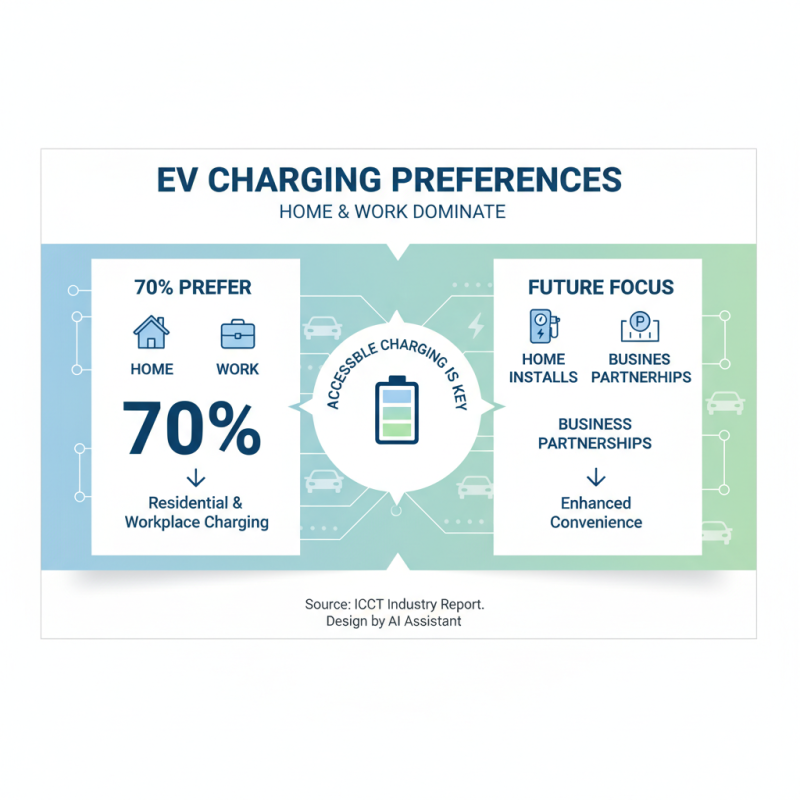
As the electric vehicle (EV) market continues to expand, understanding consumer preferences for EV charger locations has become crucial in shaping the future of charging infrastructure. According to a recent industry report by the International Council on Clean Transportation, nearly 70% of EV owners prefer charging at home or work, highlighting the importance of accessible charging points in residential areas and workplaces. This shift in consumer behavior indicates that investing in home charger installations and partnerships with businesses to integrate charging stations into parking facilities could significantly enhance user experience and convenience.
Moreover, studies suggest that public charging stations in high-traffic areas such as shopping centers, restaurants, and major highways are increasingly favored by consumers seeking quick and convenient charging options. A survey conducted by the American Electric Power found that 80% of drivers would be more likely to purchase an EV if fast-charging stations were readily available along their regular routes. This preference underscores the necessity for urban planners and energy developers to strategically locate fast chargers in areas frequented by EV users, aiming to alleviate range anxiety and enhance the overall adoption of electric vehicles. The fusion of consumer insights with strategic location planning will play a pivotal role in determining the success and growth of charging infrastructure in the coming years.
Innovative Business Models for EV Charger Station Operations
The landscape of electric vehicle (EV) charger station operations is rapidly evolving, driven by innovative business models that cater to emerging consumer demands and technological advancements. Operators are increasingly focusing on partnerships with real estate developers, retailers, and municipalities to integrate charging stations into accessible locations. This collaborative approach not only enhances convenience for EV users but also creates additional revenue streams for businesses that host charging facilities. The shift from traditional ownership models to subscription-based services and pay-per-use options also reflects the changing preferences of consumers who value flexibility and accessibility.
Tips: When considering investment in EV charging infrastructure, evaluate partnership opportunities with local businesses that share a customer base. This can help mitigate costs and maximize visibility for charging stations. Additionally, keep an eye on government incentives or grants aimed at expanding charging networks, which can significantly reduce initial investment expenses.
Moreover, advancements in technology are spurring the exploration of new revenue avenues. Wireless charging solutions, mobile app integration for easier access, and real-time monitoring systems are becoming essential components of successful charging station operations. These innovations streamline the customer experience and increase operational efficiencies for providers.
Tips: Regularly assess the latest technological trends and consumer feedback to adapt your business model accordingly. Staying ahead of these trends could position your charging station as a preferred choice for EV users in a competitive market.
Top 2025 EV Charger Station Trends: What You Need to Know Now
| Trend |
Description |
Projected Growth (%) |
Key Benefits |
| Mobile Charging Units |
Portable charging solutions that can be deployed in various locations. |
30% |
Flexibility, increased accessibility, and convenience for users. |
| Fast Charging Technology |
Advancements in charging speed reducing downtime for EV owners. |
50% |
Reduced wait times and enhanced user experience. |
| Smart Charging |
Integration of IoT and AI to optimize charging schedules and electricity usage. |
40% |
Cost savings and enhanced grid stability. |
| Subscription Models |
Flexible payment options such as monthly memberships for EV charging. |
25% |
Predictable costs and enhanced charging access. |
| Partnerships and Collaborations |
Collaborations between energy providers and charging networks. |
35% |
Wider network coverage and reduced operational costs. |