What is an AC Wall EV Charge Station and How Does it Work?
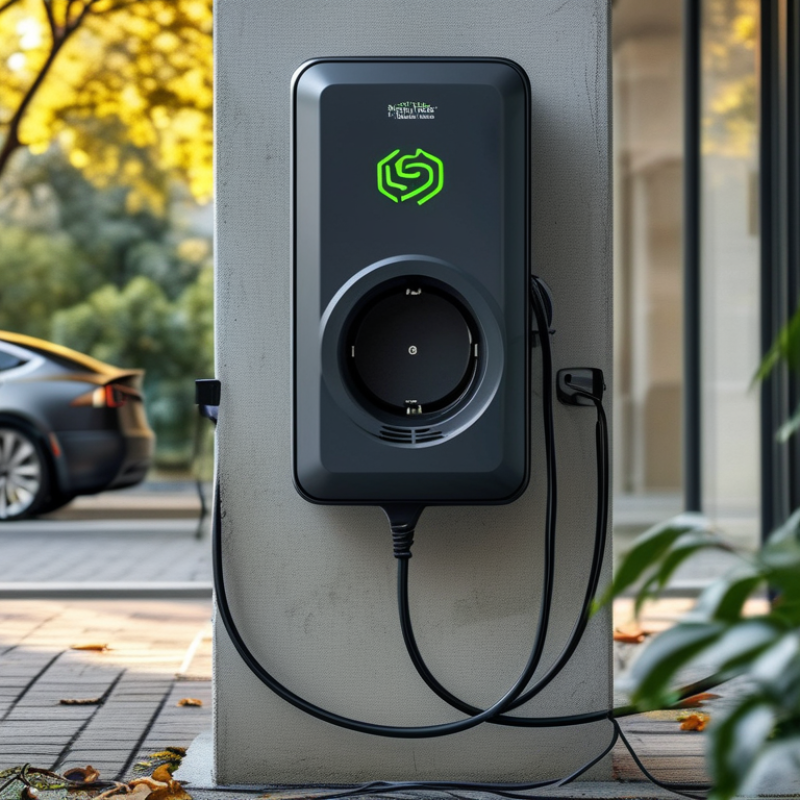
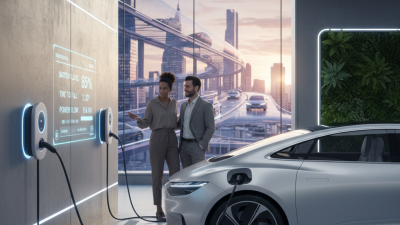
The AC Wall EV Charge Station is a vital component in the growing electric vehicle ecosystem. It provides a convenient way for users to recharge their vehicles at home. Understanding how this technology functions is essential for EV owners and potential buyers.
This charging station connects to standard home electrical systems. It transforms AC electricity from the grid into a suitable form for charging electric vehicles. Users appreciate the efficiency and speed it offers compared to regular wall outlets.
However, not all installations are straightforward. Some homes may require electrical upgrades. Additionally, users should be aware of their charging needs. This can vary based on vehicle type and daily driving habits. Proper research ensures that the chosen charging solution meets the user's requirements.
Definition of AC Wall EV Charge Station
An AC wall EV charge station is a vital component for electric vehicle (EV) owners. It delivers alternating current (AC) power to charge electric cars and is designed for home or commercial usage. These stations vary in power output, typically ranging from 3.7 kW to 22 kW. According to the International Energy Agency, the global electric car stock reached 10 million in 2020, emphasizing the need for efficient charging solutions.
The primary function of an AC wall EV charge station is to convert grid electricity into a suitable form for charging an EV's battery. The charging speed depends on the station's power output and the vehicle's onboard charger. Most EVs can take advantage of these installations due to their widespread compatibility. A study by McKinsey reveals that by 2030, the demand for charging stations could triple, underlining the importance of AC wall units in future EV infrastructure.
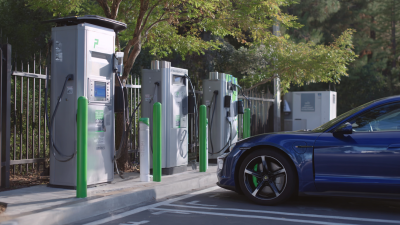
While AC wall EV charge stations are generally reliable, they come with certain limitations. Charging times can be significantly longer compared to DC fast chargers, sometimes taking several hours for a full recharge. Moreover, installation may require an upfront investment and proper electrical infrastructure at home. These aspects must be weighed carefully to optimize the charging experience for EV owners, highlighting the evolving dynamics of the EV charging landscape.
AC Wall EV Charge Station Power Levels
The chart above illustrates the power levels of different types of AC Wall EV Charge Stations. Level 1 stations provide 1.44 kW, which is suitable for home charging, while Level 2 stations offer up to 7.2 kW, ideal for quicker charging. Level 3 stations, also known as DC fast chargers, can deliver up to 22.5 kW, significantly reducing charging time.
Key Components of an AC Wall EV Charge Station
AC wall EV charge stations are essential components for electric vehicle (EV) charging infrastructure.
These stations typically include several key elements: the charging unit, the power supply, and communication systems.
The charging unit converts alternating current (AC) from the grid into a usable form for the vehicle's battery.
The efficiency of this conversion process can significantly influence charging times.
A report from the International Energy Agency (IEA) reveals that over 10 million electric cars were on the roads worldwide in 2020,
significantly increasing the need for reliable charging solutions. Robust power supplies ensure these stations can handle the electricity demand,
especially during peak hours. Additionally, communication systems provide feedback on charging status and help in managing energy consumption efficiently.
Despite these advancements, challenges remain. Not all installations meet local regulations or are compatible with every vehicle model.
Ongoing technological developments are crucial to address these issues. A study by EV Volumes indicated that global sales of EVs are expected to exceed
25 million annually by 2030, driving further innovation in AC wall charging solutions.
As the market evolves, integrating user-friendly features into these stations becomes vital.
Understanding the fundamental components can aid users in selecting suitable options while anticipating future growth in this sector.
How AC Wall EV Charge Stations Work
AC Wall EV Charge Stations are becoming increasingly popular for electric vehicle owners. They provide a convenient way to charge vehicles at home. These chargers are connected to the main power supply. They operate using alternating current, which is the standard form of electricity in most households.
How do these stations work? When you plug in your EV, power flows from the wall station to the vehicle's onboard charger. This charger converts AC power to direct current (DC) to charge the battery. The charging process usually takes several hours, depending on the battery size and the station’s power output. Many users appreciate the ability to charge overnight, waking up to a full battery.
It’s important to note that while AC charging is effective, it is not the fastest method available. Some users may find themselves waiting longer for a full charge compared to DC fast chargers. Furthermore, the installation of a wall charger may require professional assistance for optimal safety and functionality. These factors are crucial in creating a seamless charging experience.
What is an AC Wall EV Charge Station and How Does it Work?
| Feature |
Description |
| Charging Speed |
Typically provides 3.7 kW to 22 kW, depending on the unit |
| Power Source |
Connects to a standard AC power supply |
| Installation Location |
Can be installed at homes, workplaces, and public locations |
| Connector Type |
Commonly uses Type 1 or Type 2 connectors |
| User Interface |
May have LED indicators and/or touchscreen controls |
| Safety Features |
Equipped with overload protection and grounding |
| Smart Features |
Some models support Wi-Fi, allowing remote monitoring and control |
Benefits of Using AC Wall EV Charge Stations
AC Wall EV Charge Stations offer numerous benefits for electric vehicle owners. These stations provide a convenient and efficient way to recharge your vehicle at home. They typically deliver Level 2 charging, which allows for faster charging compared to standard outlets. This means you can get several hours of driving range in just a couple of hours. The ease of access to charging at home eliminates the anxiety of finding a public charging station.
Using an AC Wall EV Charge Station can enhance your driving experience. These stations are often equipped with smart technology, allowing users to monitor the charging process through mobile apps. This feature fosters a sense of control over energy usage. Moreover, charging at home is economical and can save money on electricity bills. While it’s essential to consider the installation costs, many users find the long-term savings and convenience outweigh the initial investment.
However, it’s important to note some limitations. Not every home may be suited for the installation of a wall charger. Homes without a dedicated electrical circuit may face challenges. Additionally, while charging at home is easier, it’s still necessary to have a backup plan for long trips. The transition to electric vehicles is exciting, but it requires ongoing adjustments to daily habits and infrastructure.
Installation and Maintenance of AC Wall EV Charge Stations
The installation of AC wall EV charge stations requires careful planning and execution. A competent electrical contractor is essential for the installation process. Inadequate installation can lead to safety hazards or inefficiencies, such as slower charging speeds. According to industry reports, improper installation can reduce charging efficiency by up to 20%. It is important to analyze the electrical capacity of your home or business before proceeding.
Maintenance of these charging stations is crucial for their longevity. Regular checks should be performed to ensure there are no loose wires or connections. Weatherproofing measures are also important, especially in regions with harsh climates. Data indicates that regular maintenance can enhance performance by approximately 15%. However, many users neglect this critical aspect. Ignoring maintenance may lead to unexpected failures and costly repairs.
Educating users about how to properly use and maintain their EV charge stations can foster a better understanding of the technology. Workshops and informational sessions can bolster user confidence. Yet, many individuals still struggle with basic functionalities. This gap in knowledge can hinder the effectiveness of these systems. Addressing these issues is imperative for optimizing the daily operations of AC wall EV charge stations.