Top 10 Benefits of Installing a Home EV Charger for Electric Vehicle Owners
As electric vehicle (EV) adoption continues to soar, the demand for home EV chargers is rapidly increasing among consumers. According to a report by the International Energy Agency (IEA), the global stock of electric cars reached over 10 million units in 2020, marking a year-on-year increase of 43%. This trend underscores the urgency for EV owners to seek convenient and efficient charging solutions. Installing a home EV charger can significantly enhance the ownership experience by providing an accessible and cost-effective means to charge their vehicles.
One of the primary benefits of installing a home EV charger is the substantial savings on charging costs compared to public charging stations. The Department of Energy highlights that home charging can be up to 70% cheaper than using public chargers, depending on local electricity rates. Furthermore, studies show that having a dedicated charging unit at home not only optimizes charging times but also ensures that vehicle owners can fully charge their EVs overnight or during off-peak hours. This capability aligns with the growing infrastructural need for sustainable energy practices, making the transition towards green transportation not just more practical, but also economically advantageous for electric vehicle owners.
Advantages of Home EV Chargers: Lowering Charging Costs and Saving Money
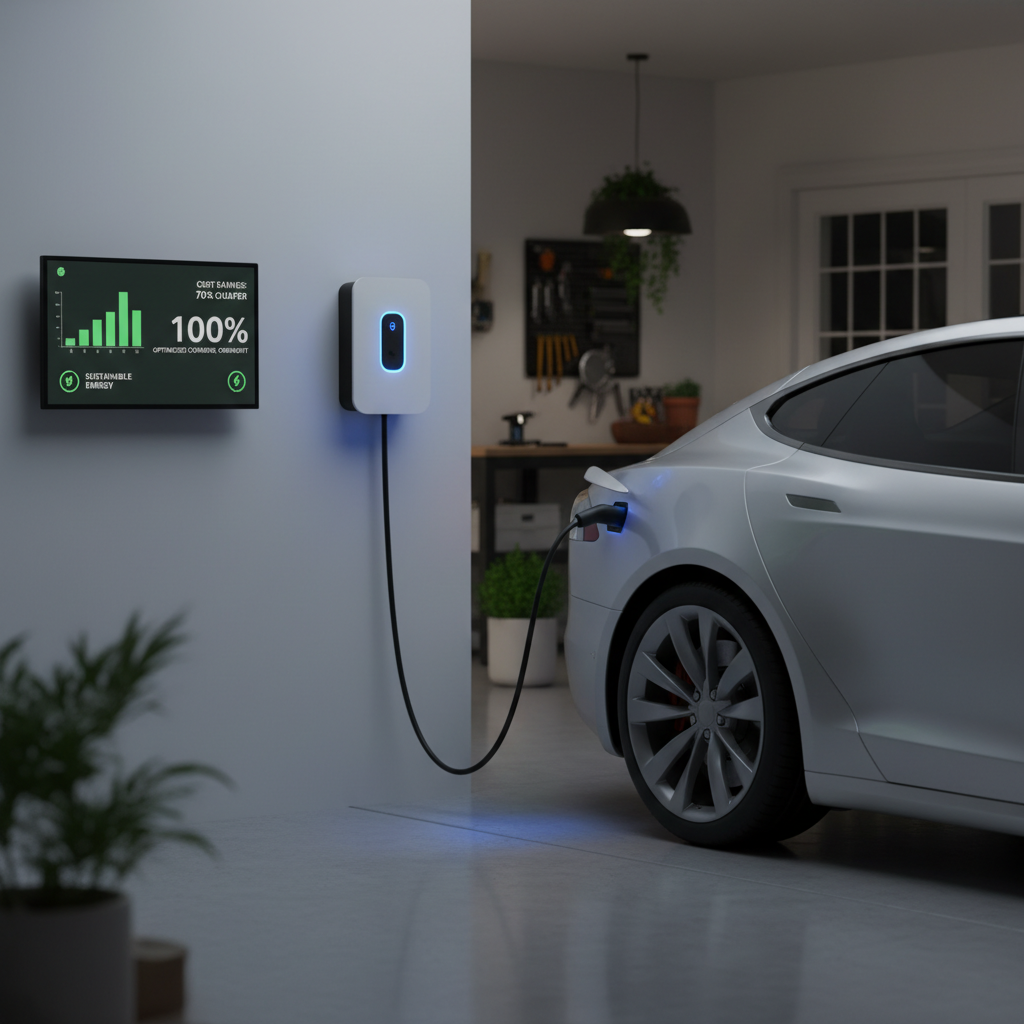
Installing a home EV charger presents numerous advantages, not only in convenience but also in substantial cost savings. When you charge your electric vehicle at home, you can take advantage of lower electricity rates during off-peak hours, which significantly reduces your charging expenses. With the right home setup, many owners report substantial yearly savings compared to using public charging stations that often come with premium fees.
Tips for maximizing savings include setting your vehicle to charge during off-peak times, usually at night. Additionally, consider enrolling in time-of-use electricity plans offered by many utility companies, which can further reduce costs during designated off-peak hours.
Moreover, with the initial investment in a home charger, you can often qualify for government rebates and tax incentives. These financial benefits can offset installation costs, making it a smart long-term decision for EV owners. Always explore local incentives for electric vehicle infrastructure, as they can contribute significantly to lowering overall costs while enhancing your charging experience at home.
Top 10 Benefits of Installing a Home EV Charger for Electric Vehicle Owners
This chart illustrates the key benefits of installing a home EV charger, highlighting how Electric Vehicle owners can lower their charging costs and save money.
Convenience of Charging at Home: Reducing Dependence on Public Stations
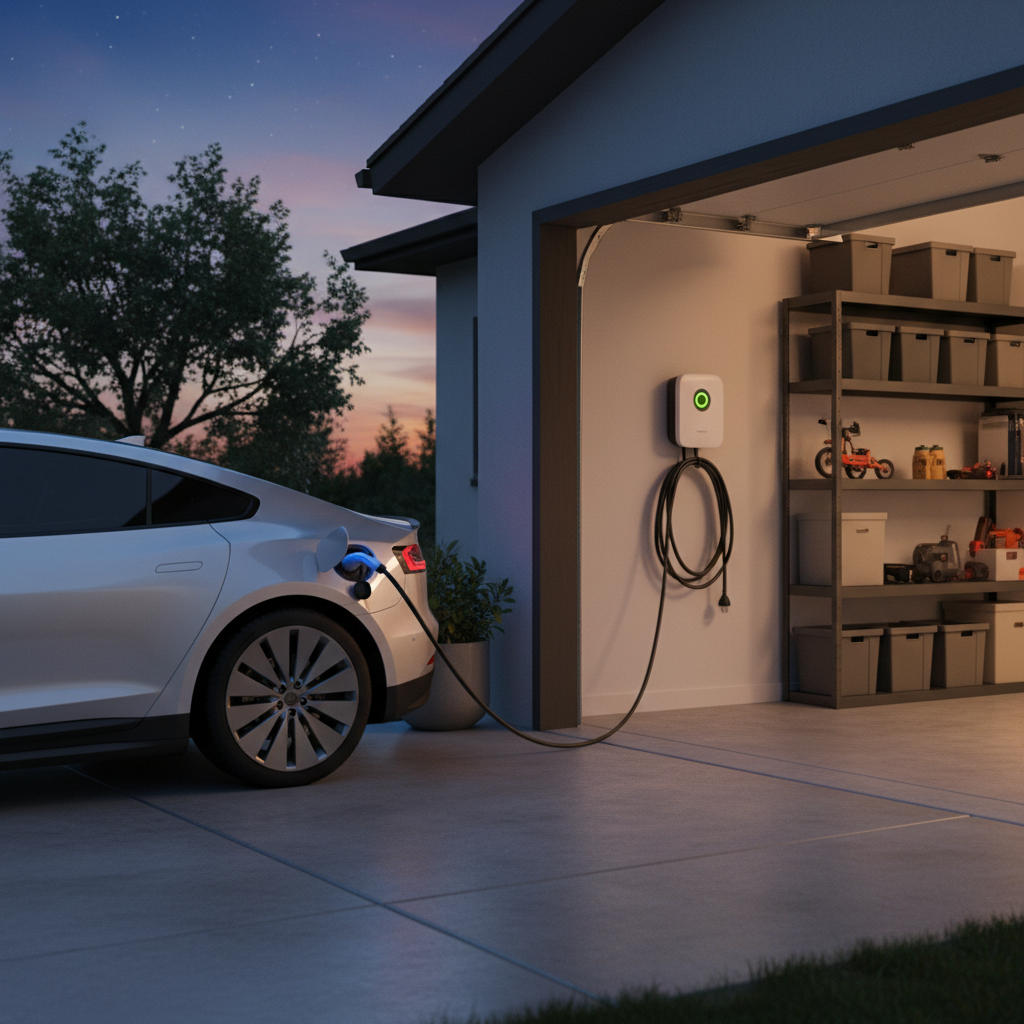
Installing a home EV charger offers unparalleled convenience for electric vehicle (EV) owners, significantly reducing reliance on public charging stations. With a personal charger, drivers can simply plug in their vehicles when they arrive home, allowing them to charge overnight or during low-usage periods. This ensures that their EV is always ready to go, eliminating the stress of finding an available public charger, especially in busy urban areas.
Moreover, the ability to charge at home means EV owners can take advantage of off-peak electricity rates, often resulting in lower energy costs. This not only promotes cost savings but also encourages more sustainable energy use, as drivers can align their charging habits with when renewable energy sources are more abundant. Overall, the convenience of having a dedicated charging solution at home fosters a more enjoyable and efficient electric driving experience.
Enhancing Property Value: How EV Chargers Can Boost Home Marketability
Installing a home EV charger can significantly enhance the marketability of a property, making it a highly sought-after asset for potential buyers. As electric vehicles (EVs) continue to gain popularity, having a dedicated charging station at home becomes a major selling point. Homeowners are increasingly looking for conveniences that cater to a sustainable lifestyle, and an EV charger meets that demand directly. Properties equipped with this feature can attract eco-conscious buyers who prioritize convenience and efficiency in their daily routines.
Moreover, the installation of an EV charger can lead to an increase in property value. As cities and states implement more green initiatives and incentivize the use of electric vehicles, homes with charging capabilities are likely to appreciate more in the market. Real estate agents are beginning to view EV chargers as a modern amenity, similar to solar panels or upgraded HVAC systems. Thus, investing in a home charging station not only supports sustainable living but also enhances the overall appeal and financial value of a property, ensuring homeowners remain competitive in a rapidly evolving real estate market.
Environmental Impact: The Role of Home EV Chargers in Reducing Carbon Footprint
The environmental impact of electric vehicles (EVs) is significantly enhanced when homeowners install their own EV chargers. By making the switch to electric vehicles, individuals can reduce their carbon footprint, with studies showing that EVs emit 50% fewer greenhouse gases than conventional gasoline cars over their lifetime. A home EV charger not only provides the convenience of charging overnight but also allows homeowners to take advantage of green energy sources. According to the U.S. Department of Energy, if the electricity used to charge the EV comes from renewable sources, the carbon emissions can be reduced even further.
Additionally, having a home EV charger encourages the adoption of electric vehicles, thereby contributing to a wider societal shift towards sustainable energy. A report by the International Energy Agency (IEA) indicated that if 50% of cars sold globally in 2030 were electric, it could lead to a cumulative reduction of 1.5 gigatons of CO2 emissions annually. Home EV chargers play a crucial role in this transition by providing a practical and immediate solution for EV owners, enabling them to charge their vehicles with minimal environmental impact.
Utilizing Renewable Energy: Integrating Solar Power with Home Charging Solutions
Integrating solar power with home charging solutions presents a transformative opportunity for electric vehicle (EV) owners. By installing a home EV charger that works in conjunction with solar panels, homeowners can utilize renewable energy to charge their vehicles efficiently. This not only reduces monthly electricity bills but also significantly decreases reliance on fossil fuels. With the global market for home energy management systems expected to reach $5.38 billion by 2025 and $19.98 billion by 2033, it's clear that consumers are increasingly prioritizing sustainable energy solutions.
Additionally, the emergence of battery-powered cooking appliances further underscores the shift towards renewable energy in households. These innovative stoves present the potential to power entire homes, thereby revolutionizing how energy is consumed for cooking and daily living. As the market for solar energy solutions continues to grow, awareness and accessibility of renewable energy technologies will accelerate. With advancements in solar panel efficiency and energy storage, homeowners can fully embrace a greener lifestyle, positioning themselves at the forefront of the sustainable energy movement.