How to Choose the Best Ac Portable Ev Charger for Your Needs?
As the electric vehicle (EV) market continues to grow, choosing the right AC Portable EV Charger is becoming increasingly important. Recent reports indicate that the global demand for electric charging solutions is projected to reach $30 billion by 2028. This surge highlights the necessity for consumers to select chargers that suit their specific needs.
Industry expert Dr. Emily Chen, a renowned analyst in renewable energy, emphasizes, “The efficiency and versatility of an AC Portable EV Charger can greatly impact your driving experience.” With a variety of options available, it is essential to consider factors such as charging speed, portability, and compatibility with different EV models. Many chargers claim to be the best, but users must discern which ones truly deliver quality performance.
Inadequate research can lead to frustration and unmet expectations. For instance, some chargers may not support fast charging or might be cumbersome to carry. Real experiences from EV owners reveal varying satisfaction levels with different products. Thus, making an informed choice on an AC Portable EV Charger is vital for maximizing both convenience and efficiency in your EV journey.
Understanding the Different Types of AC Portable EV Chargers
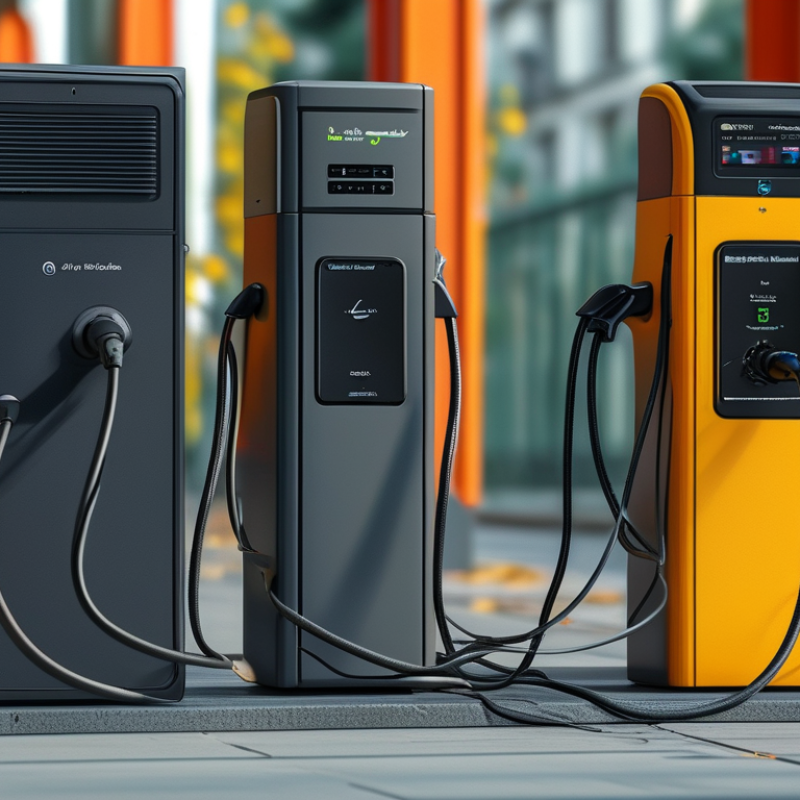
When selecting an AC portable EV charger, it’s crucial to understand the various types available.
Level 1 chargers are typically standard household outlets. They are convenient for overnight charging but can be slow, adding only a few miles of range per hour.
Level 2 chargers offer faster charging times and are common in public spaces.
These are ideal for those who need a quicker turnaround during the day.
Another option is the DC fast charger. These are more powerful and can charge EVs significantly faster.
They are usually found at charging stations along highways. However, they are larger and less portable, which can limit their use for home charging.
The choices vary widely, and consumers must consider factors such as charging speed and location availability.
Choosing the right charger means weighing these options against personal needs.
Think about daily driving distance, charging frequency, and available electrical capacity.
It can be overwhelming. Sometimes, the perfect solution is not so clear-cut.
An ideal charger for one person might not fit another's lifestyle.
It’s essential to reflect on current habits and consider future adjustments.
Key Features to Consider When Selecting an EV Charger
When selecting an AC portable EV charger, several key features are crucial. Charging speed is a primary consideration. Some chargers can provide a full charge in just a few hours, while others may take significantly longer. Knowing your vehicle's battery size helps you find an appropriate match. Additionally, ensure the charger has compatibility with your EV model for efficient charging.
Another critical aspect is portability. Look for lightweight options that are easy to transport. Features like detachable cables or built-in handles can make a difference. Consider the durability of the charger too. It should withstand various weather conditions if used outdoors. A robust design may prevent future issues.
Safety features are vital in any EV charger. Overcurrent protection, fault detection, and temperature monitoring enhance safety. This way, you can have peace of mind while charging. User reviews often highlight the importance of these features. Reading them can provide insights into real-world performance and potential shortcomings. Considerability and feedback from other users can inform your choice and lead to a more satisfactory purchase.
Assessing Charging Speed and Compatibility with Your Vehicle
When selecting an AC portable EV charger, charging speed and compatibility with your vehicle are crucial factors. According to the U.S. Department of Energy, Level 2 chargers typically deliver 10 to 60 miles of range per hour. This speed is essential for daily use and long trips. Assess your driving habits. Residents of urban areas may require faster chargers for quick top-ups. Meanwhile, rural users might prioritize a balance of speed and convenience.
Compatibility cannot be overlooked. Most EVs use either a Type 1 or Type 2 connector. A report by the International Energy Agency indicates that the global electric vehicle market is rapidly expanding. However, not all chargers support all models equally. You should verify which connector your car requires and ensure the charger matches that standard. Additionally, check the charger's amperage rating; units that support 32 or more amps often provide faster charging.
Some users may experience confusion over charging speed claims. Manufacturers often advertise the maximum speed, which may not apply in all situations. It’s worth noting that ambient temperature and battery condition can affect performance. This aspect of charging is overlooked frequently but can significantly impact the overall user experience. Balancing these considerations helps in making an informed choice.
Charging Speed Comparison of AC Portable EV Chargers
Evaluating Portability and Ease of Use for On-the-Go Charging
When selecting an AC portable EV charger, portability and ease of use are crucial. Focus on the weight and size of the device. A good charger should fit comfortably in your trunk or backpack. Check for a compact design that doesn't sacrifice performance. Some models may seem lightweight but lack the necessary power. Ensure you find a balance between size and charging capacity.
User-friendly features make a big difference. Look for a straightforward interface. LED indicators can provide crucial information at a glance. Charging cables should be easy to connect and disconnect, even in tight spaces. Some chargers come with additional accessories that could make your experience smoother. Evaluate how these features can enhance your charging routine.
However, sometimes the most portable options can be less powerful. Reflect on your charging needs. Consider how often you will be using the device while traveling. If you're taking long trips, a lightweight charger might not suffice. Reviewing user feedback can help identify models that offer both portability and strength. Remember, the best choice aligns with your lifestyle and charging habits.
Comparing Prices and Warranty Options for Best Value EV Chargers
When selecting an AC portable EV charger, understanding price and warranty options is crucial. A wide price range exists, so it's essential to identify what fits your budget. Costs can vary significantly based on features, charging speed, and brand reputation. Setting a budget will help narrow your choices effectively.
Warranty options also deserve attention. Most EV chargers come with warranties lasting from one to five years. A longer warranty often reflects the manufacturer's confidence in the product. However, not all warranties cover the same aspects. Reading the fine print is necessary to ensure you're fully protected.
Consider the potential hidden costs associated with installation or additional accessories. Many chargers may require special plugs or wall mounts, adding to the total expense. Review your options carefully and think about whether the initial savings are worth the possible extra costs. It's wise to assess the long-term value against immediate savings. Balancing price with warranty protection will guide you toward making a well-informed decision.