What Are the Best Electric Car Chargers for Home Use?
As the shift towards electric vehicles continues, choosing the right Electric Car Charger for home use becomes crucial. Industry expert Mark Johnson, known for his insights on EV infrastructure, states, “Finding the right charger can enhance your electric vehicle experience significantly.”
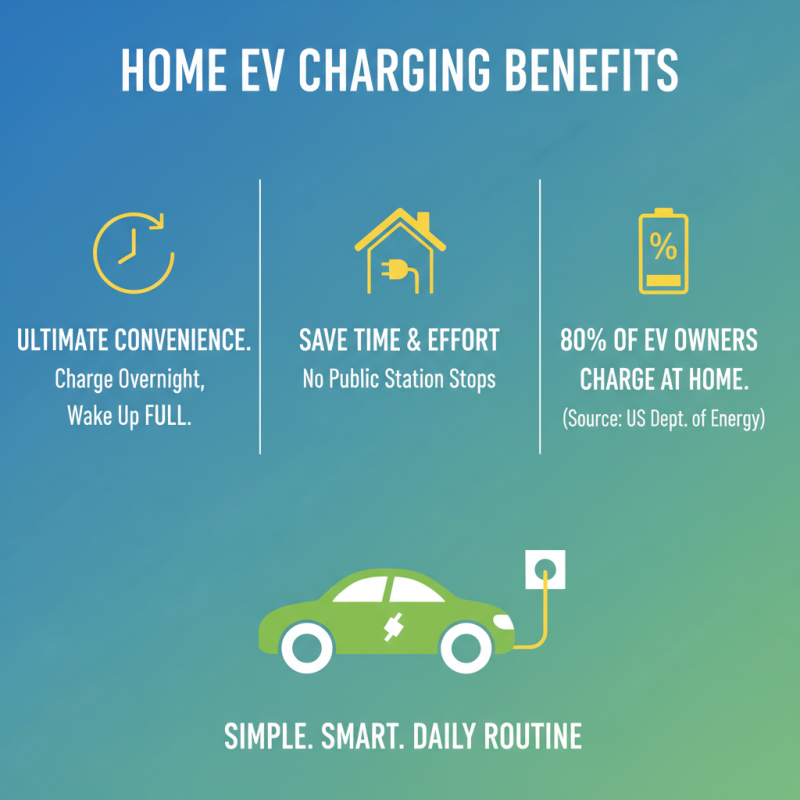
Home charging is often the most convenient option for EV owners. Many people overlook the specifics, leading to frustration later. Not all chargers are equal; some charge faster than others. For instance, Level 1 chargers are more accessible but slower. They typically plug into standard outlets. In contrast, Level 2 chargers offer quicker charging but require installation. This decision can impact your daily routine deeply.
Understanding your electric car's needs is vital. Not every charger fits every vehicle. Compatibility may cause headaches if not researched well. Expect to spend time investigating features and costs. Many users find themselves wondering, “Did I choose the right one?” A bit of reflection before purchasing could save you time and energy in the long run.
Types of Electric Car Chargers Available for Home Use
When considering electric car chargers for home use, it’s essential to understand the types available. The most common options include Level 1 and Level 2 chargers. Level 1 chargers use standard household outlets. They are convenient but slow, typically providing about 3 to 5 miles of range per hour. This can be sufficient for those who drive short distances daily.
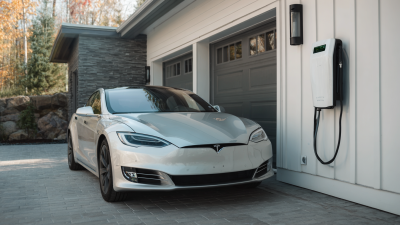
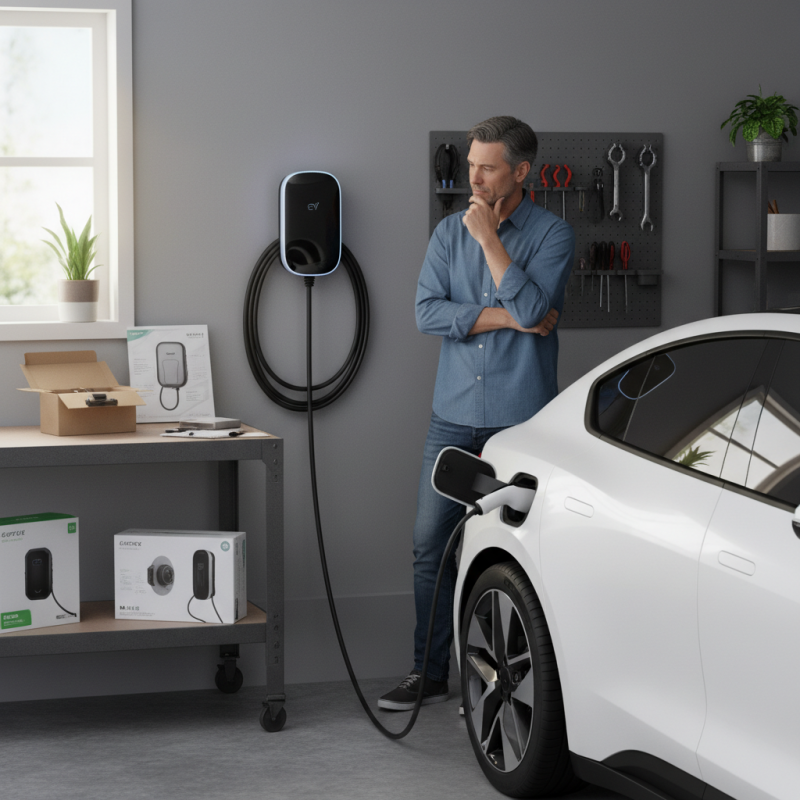
Level 2 chargers, on the other hand, require a dedicated circuit. They can be installed in garages or carports. These chargers significantly cut charging time, offering 10 to 60 miles of range per hour. If you charge overnight, this can be ideal. However, installation can be costly and may require professional help. It’s a decision that deserves careful thought.
There's also the option for smart chargers. These chargers can connect to your home Wi-Fi. They allow for remote monitoring and scheduling. While they provide more control, they are often more expensive. Moreover, not every user may need these advanced features. Assessing your needs is critical. It’s best to weigh the pros and cons before making a decision.
Factors to Consider When Choosing Home Electric Car Chargers
When choosing a home electric car charger, several key factors should be considered. Power output is one of the most important. Most chargers offer different levels of charging speed. A higher output means faster charging times but can require more costly installation work. Assess your home’s electrical capacity to avoid issues.
Accessibility is another crucial factor. Consider where you will install the charger. The garage or a dedicated parking space is ideal. Ensure that the charger cable length fits your vehicle’s charging port placement. Additionally, check if the installation process fits your schedule and budget, as some setups can take longer than expected.
Lastly, look into smart features. Many modern chargers come with capabilities like app connectivity, scheduling, and energy monitoring. These features can enhance your charging experience. However, with technology updates, ensure your choice remains compatible over time. Reflect on your specific needs before making a decision. It’s important to balance convenience with long-term usability.
What Are the Best Electric Car Chargers for Home Use? - Factors to Consider When Choosing Home Electric Car Chargers
| Charger Type |
Charging Speed (kW) |
Cable Length (ft) |
Smart Features |
Price Range ($) |
| Level 1 Charger |
1.4 - 2.4 |
15 |
None |
200 - 600 |
| Level 2 Charger |
3.3 - 19.2 |
20-25 |
Yes |
500 - 1,500 |
| Portable Charger |
3.7 - 7.7 |
10-25 |
Some |
300 - 800 |
| Smart Home Charger |
7.2 - 11 |
25 |
Yes |
600 - 1,200 |
Top Brands and Models of Electric Car Chargers for Home
When choosing an electric car charger for home use, consider your charging needs. Level 2 chargers are generally recommended. They provide faster charging compared to standard outlets. This means you can recharge your vehicle overnight. Some models offer adjustable power settings. This allows users to control the charging speed, which is a useful feature for various situations.
Not all chargers are created equal, however. Look for options with smart features, such as Wi-Fi connectivity. This can help you monitor charging sessions through your smartphone. Some models may have user-friendly interfaces, making them easier to operate. It's important to evaluate the installation process too. Some chargers require professional installation while others can be installed by homeowners.
Safety should be a priority in your selection. Ensure the charger meets safety standards. A compact design is a bonus. Less bulky chargers can fit into tighter spaces. It's essential to read reviews, as user experiences can highlight potential issues. Sometimes, the most expensive model doesn't perform the best. Balancing features with user feedback can lead to a better choice.
Installation Requirements and Costs for Home Chargers
Installing a home electric car charger involves several important requirements and costs. The first step is to assess the existing electrical system. Your home needs a sufficient power supply to support the charger. An average Level 2 charger requires a dedicated 240-volt outlet. Older homes may need electrical upgrades, which can increase installation costs.
Next, consider the installation process itself. Hiring a qualified electrician ensures safety and compliance with local regulations. You'll need to budget for both labor and materials, which can vary significantly based on location. Factor in permits if your area requires them. Expect to pay anywhere from a few hundred to several thousand dollars, depending on the complexity of the installation.
While many homeowners are eager to embrace electric vehicle technology, not all setups are perfect from the start. Some may face challenges like limited space or awkward outlet placements. Reflecting on these factors can help avoid potential frustrations later. It’s crucial to plan carefully to avoid unexpected problems during installation.
Best Electric Car Chargers for Home Use