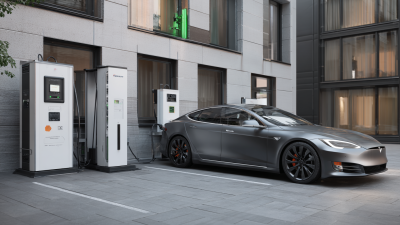
Best Electric Car Recharge Stations for Global Buyers?
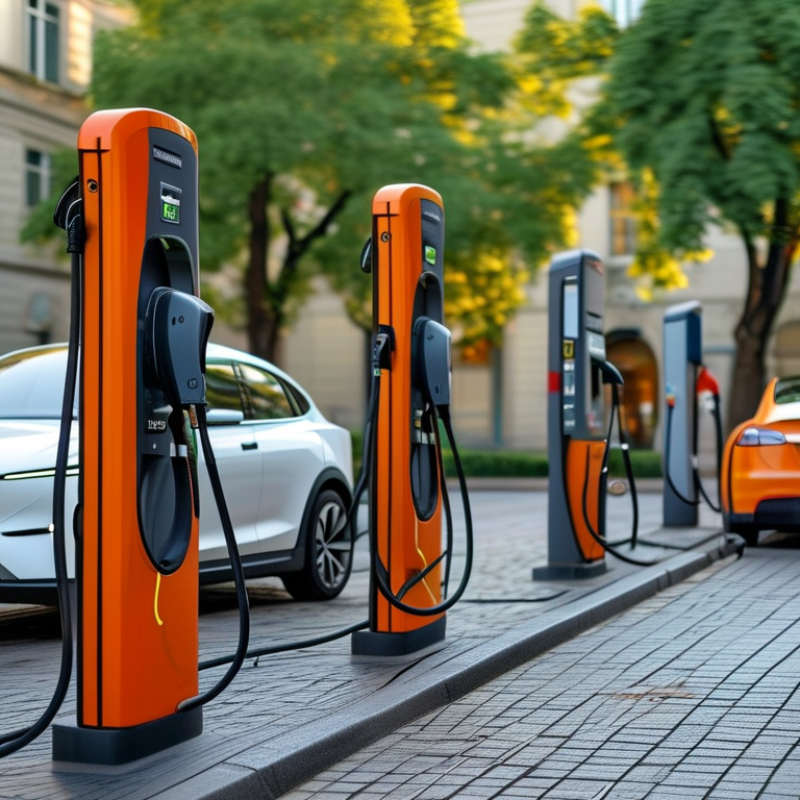
As electric vehicles (EVs) gain popularity globally, the demand for Electric Car Recharge Stations has surged. Finding reliable charging options is crucial for EV owners. Various factors influence choices, such as location, charging speed, and accessibility.
Today, we will explore the best Electric Car Recharge Stations available worldwide. This guide aims to provide valuable insights into the varied charging infrastructures. Different regions have unique solutions. Some stations offer rapid charging while others deliver slower, more sustainable options.
While many charging stations are convenient and efficient, not all meet user needs. This landscape requires careful consideration. Users must assess their charging habits and routes. This ensures that they can keep their electric vehicles powered up. As the market continues to evolve, it's essential to stay informed about the best charging options.
Overview of Global Electric Vehicle Charging Infrastructure
The global electric vehicle charging infrastructure is steadily evolving. Many countries are investing heavily in developing expansive charging networks. This shift is crucial for supporting the growing number of electric vehicles on the roads.
While urban areas often see a higher density of charging stations, rural regions lag behind. This disparity can create challenges for EV owners in less populated areas. In many cases, the reliability of these chargers is also inconsistent. Some users report long wait times or non-functional stations.
Accessibility remains a significant concern as well. Not all charging stations are equipped to serve various electric vehicle models. This can frustrate drivers who expect seamless service. Awareness of existing charging options is vital for drivers. Many rely on smartphone apps to locate stations. However, gaps in information can lead to confusion.
Improvements in infrastructure and information sharing are essential to enhance the user experience.
Key Factors Influencing Recharge Station Availability
The availability of electric car recharge stations is crucial for global buyers. Various factors influence this accessibility. Urban areas typically have more stations than rural ones. According to a recent report, over 70% of global charging stations are located in cities. This uneven distribution affects electric vehicle (EV) adoption rates. Many drivers in less populated areas face challenges in finding reliable recharging options.
Infrastructure investment plays a key role in determining station availability. Governments and private entities must collaborate to expand networks. A study highlighted that regions with supportive policies saw a 40% increase in charging stations over three years. Additionally, grid capacity and local demand directly impact the expansion of these facilities. Inconsistent power availability can hinder station development.
Tip: Check local initiatives promoting EV infrastructure. Sometimes, local governments offer incentives to improve charging networks.
Expanded public and private partnerships may enhance availability. A report emphasized that combining efforts could create a more robust network. Flexibility in station locations and technology is essential. As consumer demand grows, so must the adaptation of recharge stations. However, barriers like high installation costs and regulatory challenges remain.
Tip: Stay updated on regional incentives. These can significantly affect your charging experience.
Comparison of Charging Speed and Technology Across Regions
As electric car adoption grows globally, so does the need for efficient recharge stations. The speed and technology of these stations vary significantly across regions. Research indicates that fast charging can reduce the time to recharge by up to 80%. In Europe, rapid charging networks are expanding, with many stations offering charging speeds of 150 kW or more. This rapid infrastructure development aims to support a growing number of EVs on the road.
In contrast, the charging speed in North America is often slower, with many locations providing only 50 kW. Despite initiatives to upgrade these stations, the disparity creates an uneven experience for users. Data from the International Energy Agency reveals that regionally, the average charging time differs widely, impacting overall consumer satisfaction. The differences in technology, particularly in charger compatibility, also complicate accessibility.
Understanding these regional disparities is crucial for potential electric car buyers. Reliable data shows that, although infrastructure is developing, many users still face challenges. Solutions to these issues require investment and innovation, ensuring that all regions can support a robust EV ecosystem. As technology evolves, reflections on current limitations will guide future improvements.
Market Trends and Projections for Electric Car Charge Stations
The shift towards electric vehicles (EVs) is creating a growing demand for charging stations. With more consumers adopting EVs, the need for convenient, reliable charging options is essential. The growth of this market reflects changing preferences and the urgency of environmental concerns. More locations are investing in dedicated charging spots, from urban centers to rural areas.
Projections suggest that by 2025, millions of charging stations will be needed worldwide. Current infrastructure is struggling to keep pace with this evolution. Not all regions are equally prepared. Urban areas tend to have better access to charging points compared to suburban or rural locations. This disparity can create frustration for EV owners, as an abundance of charging stations does not always correlate with ease of use.
Investments in technology also play a crucial role. Fast chargers are gaining popularity, reducing wait times significantly. However, older charging technologies can limit the potential of EV markets. As consumers become more familiar with charging processes, they expect more from their experience. Building a more cohesive approach to charging infrastructure can enhance the user experience. More focus is needed on integrating these stations into daily life for convenience and accessibility.
Top Electric Car Recharge Stations Ranked by User Experience
Electric car recharge stations play a crucial role in the ownership experience for EV drivers. User experience often hinges on factors like accessibility, speed, and convenience. Some users have reported frustration with lengthy wait times, especially during peak hours. Hence, the anticipation of locating an efficient charging spot can lead to anxiety.
Tips: Always check the occupancy status of charging stations through your favorite app before heading out. This can save you time and unnecessary stress.
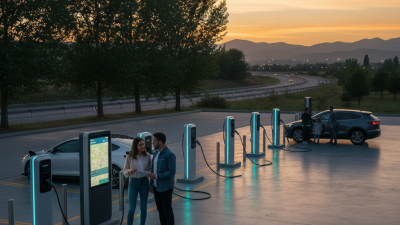
Moreover, well-lit and safe locations provide peace of mind, especially in unfamiliar areas. Users often favor stations that offer amenities like restrooms or cafes nearby. The ability to multitask while your vehicle charges is a significant advantage.
Tips: Opt for stations located near popular spots. This allows for convenience while you wait. Always verify user reviews for stations you haven't used before; they often highlight unexpected issues and benefits.