Best Electric Car Recharge Stations Around the World?
As the world shifts towards sustainable transportation, the role of Electric Car Recharge Stations becomes increasingly vital. These stations not only support electric vehicle (EV) adoption but also shape the infrastructure around green energy. The best recharge stations are often located in urban centers, along highways, and at key travel hubs, reflecting the growing demand for easily accessible charging options.
Different countries approach the establishment of Electric Car Recharge Stations with varying strategies. Some invest heavily in fast-charging technology, while others focus on integrating charging into existing fuel stations. These choices highlight both innovation and the areas that still require improvement. In many places, coverage can be inconsistent, leading to "range anxiety" among potential electric car buyers.
However, the growth of these stations is promising. Companies are collaborating with governments to expand networks and improve technology. Yet, some regions struggle with insufficient charging options, demonstrating a gap that needs attention. Overall, while progress is made, the journey of expanding Electric Car Recharge Stations is ongoing, requiring adaptation and a commitment to sustainability.
Overview of Electric Car Recharge Stations
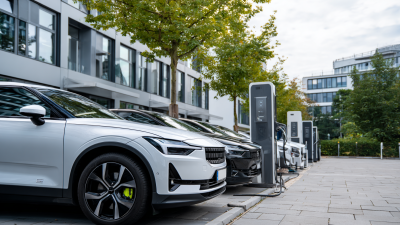
Electric car recharge stations are becoming essential worldwide. They ensure that electric vehicle owners can find charging points in convenient locations. This growing infrastructure supports the increasing number of electric cars on the roads. However, the quality and availability of these stations can vary significantly from place to place.
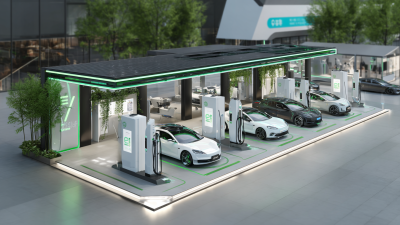
Many cities are investing in fast and efficient recharge stations. Some places have even installed solar-powered chargers. This innovative approach not only provides energy but also promotes sustainability. Still, there are challenges. Some regions struggle with inconsistent charging speeds. Not all locations feel equally accessible, leaving users frustrated.
The variety of charging options adds to the complexity. Level 1 chargers are slow but widely available at homes and workplaces. Level 2 chargers are faster and often found in public areas, while DC fast chargers are ideal for quick top-ups on long trips. Additionally, the maintenance of these stations can be lacking, leading to downtime. An ideal scenario includes both functionality and user comfort. The path to comprehensive support for electric vehicles is paved with both advancements and hurdles.
Key Features of Top Recharge Stations Globally
Electric car recharge stations are essential for sustainable travel. Understanding their key features can enhance your charging experience. Many top stations now offer rapid charging options. This allows drivers to recharge quickly, making long trips more feasible.
Accessibility plays a crucial role in the effectiveness of recharge stations. Locations near popular destinations or major highways are preferred. Some stations also provide real-time availability updates through apps. This feature helps to plan stops effectively, reducing wait times.
A well-designed station enhances user experience. Features like shaded areas, seating, and Wi-Fi can make a significant difference. Travelers appreciate having a comfortable space to relax while waiting. A drawback may arise if the stations are poorly maintained. Not all stations keep pace with demand, leading to overcrowding during peak hours.
Charging etiquette should also be considered. It's important for drivers to be mindful of others waiting. Always unplug once your vehicle is charged. This practice maximizes station utility. Being courteous helps create a better environment for everyone.
Best Electric Car Recharge Stations Around the World
| Location |
Number of Charging Points |
Charging Speed (kW) |
Availability |
Payment Options |
| San Francisco, USA |
50 |
120 |
24/7 |
Credit Card, Mobile App |
| Berlin, Germany |
40 |
150 |
24/7 |
Credit Card, Cash |
| Tokyo, Japan |
60 |
100 |
24/7 |
Mobile App, Subscription |
| Sydney, Australia |
35 |
75 |
24/7 |
Credit Card |
| London, UK |
45 |
150 |
24/7 |
Mobile App, Cash |
Regional Leaders in Electric Car Charging Infrastructure
As electric vehicles gain popularity, the need for accessible charging infrastructure becomes critical. Various regions are leading the charge in maximizing electric car recharge stations. These areas have implemented innovative policies and invested in technology, but some gaps remain.
In Europe, many cities are making strides with extensive charging networks. Urban areas often boast multiple stations in close proximity. However, rural regions still lag behind, creating accessibility issues. Users can find themselves struggling in less populated areas.
In North America, some local governments are promoting charging solutions through incentives. While these programs are beneficial, the uneven distribution of charging points continues to challenge EV owners.
Asia has also embraced this trend, with several countries investing heavily in renewable energy sources. Large cities often feature fast-charging stations, but there can be inefficiencies in power distribution. These challenges highlight the need for continued improvement in charging infrastructure. Regional leaders must focus on balancing access with reliability. Even with growth, reflections on equity and environmental impact are necessary for a sustainable future.
Emerging Technologies in Electric Vehicle Charging
The electric vehicle charging landscape is rapidly evolving. Emerging technologies are reshaping how we approach recharging. Innovations in wireless charging and ultra-fast charging stations are at the forefront. These technologies reduce downtime for drivers, making electric vehicles more convenient.
Wireless charging uses magnetic resonance to power vehicles without a physical connection. This method can be integrated into roadways or parking lots. It’s convenient but still faces hurdles, like efficiency and cost. Meanwhile, ultra-fast charging stations can deliver a full charge within 15 minutes. This makes long-distance travel more feasible.
Automation and artificial intelligence are enhancing charging infrastructure. Smart grids can analyze energy demand and optimize charging times. However, the integration of these systems is complex. Not all areas have the necessary infrastructure or technology. This creates disparity in charging access. As we move forward, addressing these challenges is essential for widespread EV adoption.
Future Trends in Electric Car Recharge Stations
The landscape of electric car recharge stations is rapidly evolving. According to a recent report by the International Energy Agency (IEA), the number of public charging points surged to over 1.8 million globally in 2022. This significant growth indicates that infrastructure is gradually catching up with the demand for electric vehicles (EVs). By 2030, the IEA estimates that we will need 17 million public charging points to keep pace with the rising number of EVs on the road.
Future trends suggest a shift towards ultra-fast charging stations, capable of delivering 150 kW to 350 kW. These stations can charge a vehicle in as little as 15 to 30 minutes. However, challenges remain. The rollout of these high-speed chargers requires substantial investment and strategic planning. Moreover, user accessibility and grid capacity are ongoing concerns. Communities must consider where to place these stations to maximize usage, especially in underserved areas.
Moreover, integration with renewable energy sources is becoming increasingly vital. A report by BloombergNEF highlights that 54% of new EV charging stations could be powered by solar or wind energy by 2035. While this sounds promising, infrastructure development still faces skepticism about reliability and efficiency. Investment in smart grid technologies is essential to address these concerns.