2026 Best Type 1 Ev Charger for Global Buyers Need?
As electric vehicle (EV) adoption continues to surge globally, finding the best Type 1 EV Charger has become crucial for many buyers. These chargers are designed for compatibility with Type 1 connectors, predominantly used in various brands of electric vehicles. In 2026, the market will see a variety of options, each with its unique features and benefits. Buyers need to navigate through this landscape thoughtfully to make informed decisions.
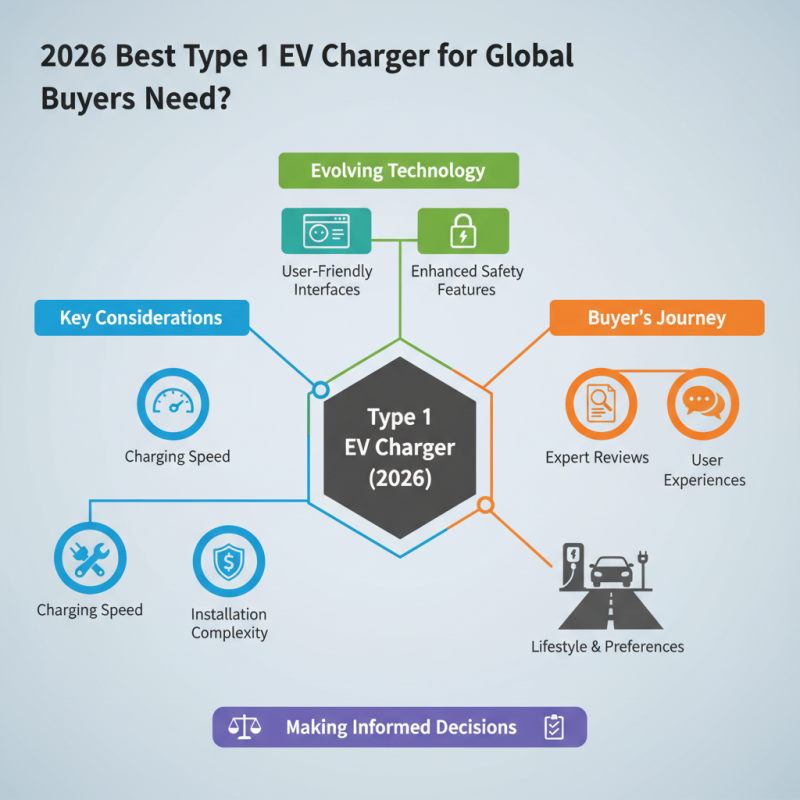
The evolving technology in Type 1 EV Chargers reflects a growing understanding of user needs. Many brands now prioritize user-friendly interfaces and enhanced safety features. However, it can be overwhelming to choose the right charger that balances price, efficiency, and reliability. There are numerous factors to consider, such as charging speed and installation complexity. Each choice carries its own advantages and drawbacks.
Considering these aspects allows for a more nuanced understanding of what’s available. The best Type 1 EV Charger may not be the one with the highest specifications; it must also fit the lifestyle and preferences of the buyer. Seeking expert reviews and user experiences can illuminate choices and highlight potential pitfalls. Your charger should support your EV strategy, not hinder it.
Best Type 1 EV Charger: Overview and Key Features
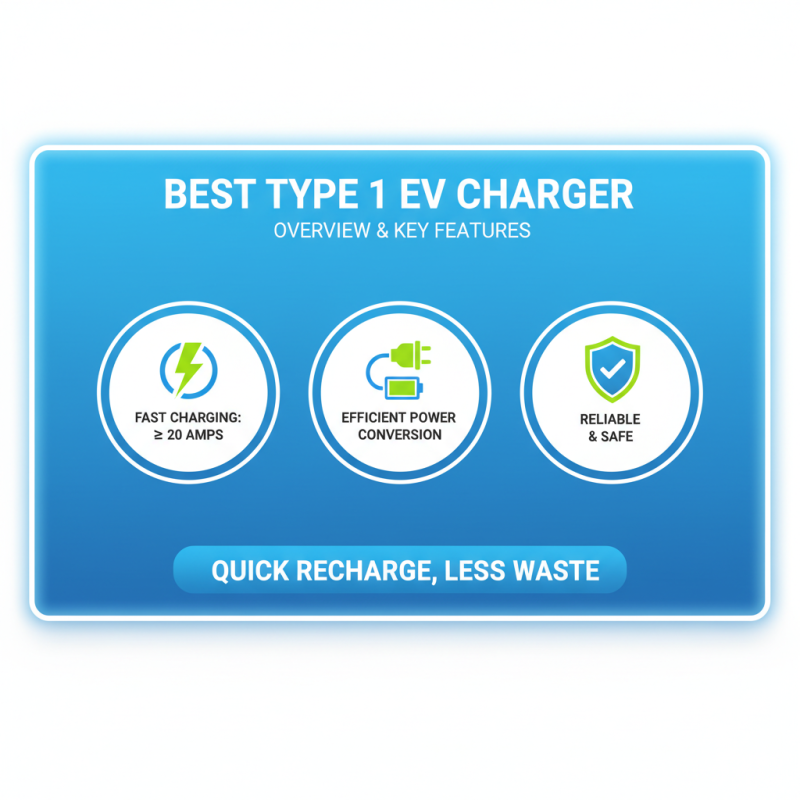
When selecting a Type 1 EV charger, it's crucial to understand its features. A reliable charger offers fast charging capabilities. Look for a unit that provides at least 20 amps. This ensures a quick recharge for electric vehicles. Efficiency is also vital. Chargers should convert a high percentage of power, reducing energy waste.
User-friendly design matters. An intuitive interface helps users navigate settings easily. This is especially important for first-time EV owners. Additionally, consider the charger’s safety features. Overcurrent protection and temperature monitoring enhance safety during charging sessions. Durability is key too. The charger should withstand various weather conditions, if installed outdoors.
Despite the positives, some chargers may fall short in certain areas. Installation can be complicated, often requiring professional help. Not all chargers are compatible with all vehicle models. Always check compatibility before purchase. A thorough understanding of your needs and the features of the charger can prevent issues down the line.
Global Market Trends for Type 1 EV Chargers in 2026
The global market for Type 1 EV chargers is evolving rapidly as we approach 2026. More consumers are shifting toward electric vehicles. This trend increases the demand for reliable charging solutions. Countries around the world are expanding their charging infrastructure. This expansion creates opportunities for various stakeholders in the industry.
A major consideration is user accessibility. Many individuals prefer chargers that are easy to use and widely available. Integrating smart technology is becoming essential. Features like mobile app controls can enhance user experience. However, the technology also comes with challenges. Not all users may be tech-savvy, leading to potential frustration. Therefore, simplicity remains crucial.
In addition, the price point will heavily influence buyer preferences. As competition ramps up, prices are likely to fluctuate. This can create uncertainty for consumers. Understanding regional regulations and incentives is vital too. Some regions may offer subsidies or rebates, affecting purchasing decisions. Balancing cost and functionality will be key in the decision-making process.
Top Brands and Models of Type 1 EV Chargers for Buyers
When selecting a Type 1 EV charger, buyers must consider various factors. Research shows that the global EV charger market is poised to grow significantly, reaching an estimated $45.27 billion by 2026. This rapid expansion highlights the increasing demand for reliable and efficient charging solutions. Top brands focus on user experience by offering fast charging capabilities and smart features.
Specific models are praised for their performance and safety features. According to recent data, chargers with built-in safety certifications reduce the risk of electrical hazards. However, not all models are created equal. Some lack the thermal management systems necessary for optimal performance in extreme temperatures.
Buyers should also assess installation requirements. A study indicates that around 30% of home installations encounter spatial constraints. This can lead to unexpected costs. Focusing on user reviews can provide insights into real-world satisfaction. A mixture of reliability and innovation often emerges as the key to choosing the right type of charger. Understanding these factors helps ensure a valuable investment.
Installation and Maintenance Considerations for Type 1 Chargers
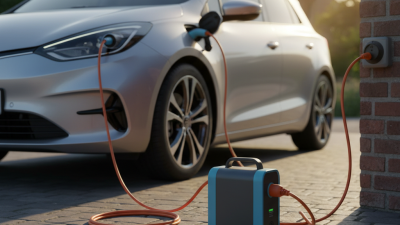
When considering the installation of Type 1 EV chargers, various factors come into play. The location is crucial. Ensure the charger is placed near an electrical source and in an area that is easily accessible. This makes it user-friendly. Additionally, check for adequate space around it to accommodate parking needs.
Maintenance of Type 1 chargers should not be overlooked. Regular inspection of cables and connectors prevents wear and tear. Cleaning dirt and debris from the unit maintains efficiency. If you notice any faults, address them immediately to avoid dangerous malfunctions.
**Tips:** Examine the charging station quarterly. This periodic check can save costs in the long run. Remember to keep an eye on software updates as well; they often enhance performance. A well-maintained charger can last longer and provide better service. Investing time in upkeep is essential for reliability.
2026 Best Type 1 EV Charger Comparison
The above chart displays the charging speeds of different Type 1 EV chargers. Charger B offers the highest charging speed at 22 kW, while Charger D provides the lowest at 3.7 kW. This comparison helps global buyers decide on the best type of charger based on their needs.
Future Innovations in Type 1 EV Charging Technology
The landscape of Type 1 EV charging technology is evolving rapidly. Future innovations promise to enhance efficiency and usability for global buyers. The focus is not only on faster charging speeds but also on adaptive designs that fit various environments. Smart charging solutions will integrate with home energy management systems. This development allows users to optimize energy use and reduce costs.
Battery management systems will also see advancements. These systems ensure the longevity of EV batteries by preventing overloading. Real-time monitoring can help users understand their energy consumption patterns. Moreover, wireless charging may soon become a reality, offering convenience and reducing wear on connectors.
However, challenges remain. The universal standard for Type 1 chargers is still being debated. Compatibility issues may arise as technologies evolve. Users must stay educated about these changes to make informed decisions. Continuous improvement is essential, but it's vital to approach these innovations critically. Adapting to new technology involves understanding both its benefits and potential drawbacks.
2026 Best Type 1 EV Charger for Global Buyers Need
| Charger Model |
Charging Speed (kW) |
Bloomberg NEF Rating |
Smart Features |
Estimated Price ($) |
| Model A |
7.2 |
4.5/5 |
Wi-Fi, App Control |
599 |
| Model B |
11 |
4.7/5 |
Smart Grids, Voice Control |
799 |
| Model C |
22 |
4.8/5 |
Dynamic Load Management |
1,199 |
| Model D |
3.6 |
4.0/5 |
Remote Diagnostics |
450 |