How to Choose the Best Home Wall EV Charge Station for 2026?
Choosing the right Home Wall EV Charge Station is more critical than ever. With advancements in technology and the growing popularity of electric vehicles, it's essential to select a charger that meets your needs. The market is flooded with various options, making this decision challenging. A good EV charge station can save time and enhance convenience.
Understanding your power requirements is crucial. Different stations offer various charging speeds and power ratings. Factors like your vehicle's battery capacity will influence your choice. Additionally, installation options vary widely, impacting your final decision. Some models may require professional installation while others allow DIY.
Moreover, reliability is paramount. Look for brands with a strong track record and positive user reviews. These insights can offer peace of mind when making your selection. A Home Wall EV Charge Station should not only charge your vehicle efficiently but also reflect your lifestyle and future plans. Investing in a quality charger can enhance your electric vehicle experience significantly.
Understanding the Types of Home Wall EV Charge Stations Available in 2026
When choosing a home wall EV charge station in 2026, it is essential to understand the different types available.
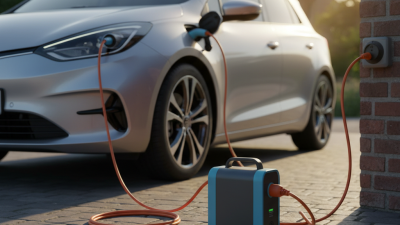
Level 1 chargers are common and easy to install. They use a standard household outlet and provide a slow charge, suitable for overnight use.
However, they may not be ideal for all users. Charging times can be lengthy, making planning necessary.
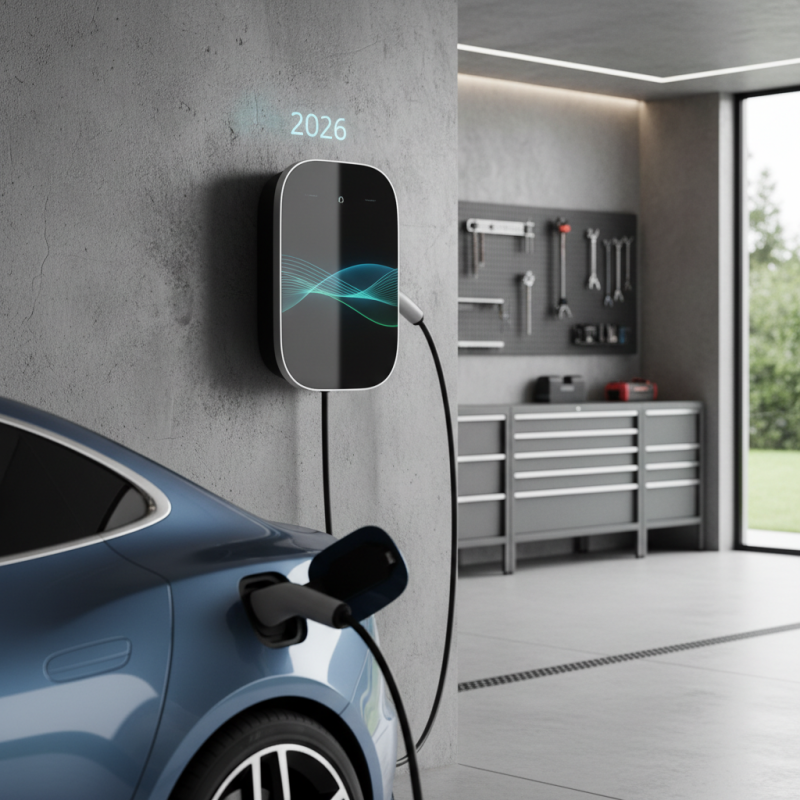
Level 2 chargers offer faster charging and are more efficient. These stations typically require a dedicated circuit and professional installation.
They can fully charge an EV in a few hours, making them a popular choice for daily drivers. Some models come with smart features, allowing remote monitoring and scheduling.
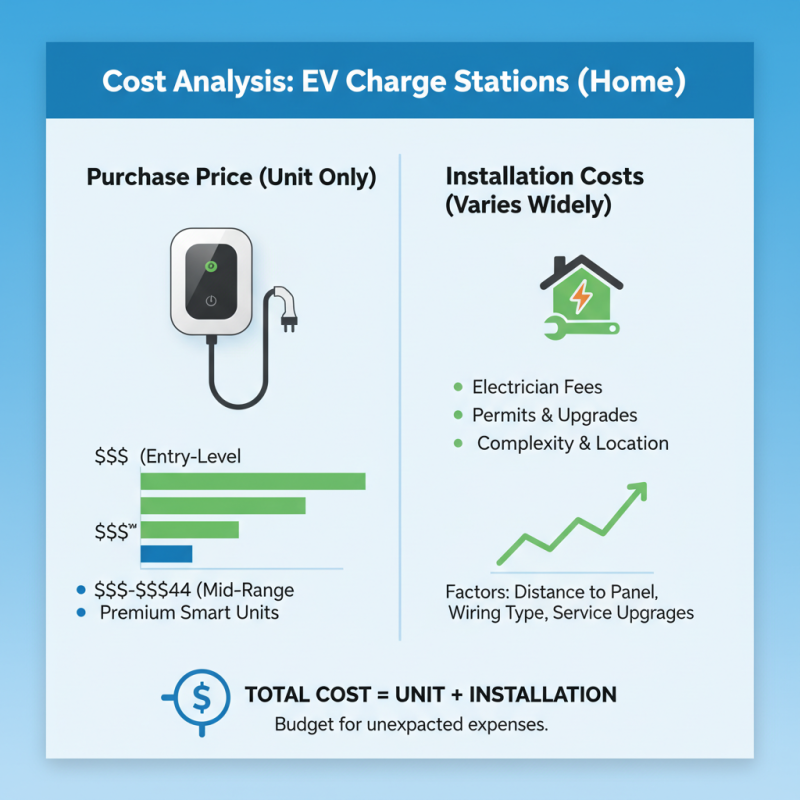
Still, installation costs might be a consideration for homeowners.
DC fast chargers provide the quickest charging options, often found in public locations. They can significantly charge an EV in under an hour.
However, they are expensive and more complicated to install at home. Reliability and compatibility with specific vehicles should also be assessed.
It’s a good idea to reflect on your personal charging habits and needs. This can guide you toward the most suitable option for your lifestyle.
Key Features to Consider When Choosing an EV Charge Station for Home Use
When selecting an EV charge station for home use, key features can significantly impact your experience. One crucial aspect is charging speed. Look for models that support higher amperage. Faster charging translates to less downtime. Consider the location of installation too. Proximity to your parking spot is essential. The station should be easily accessible for daily use.
Safety features are also vital. Ensure that the charge station has overcurrent protection and ground fault detection. These features help prevent electrical hazards. The build quality matters, too. A weather-resistant design is necessary if your station will be outdoors. Long-lasting materials can withstand the elements and provide peace of mind.
Another point of reflection is compatibility. Make sure the charge station is compatible with your EV. Universal connectors are increasingly common. Still, it’s worth confirming specifics. Lastly, consider smart features like app connectivity. These features offer usage tracking and remote monitoring. However, the reliability of the app can vary by model. Research is key to finding a station that meets your needs effectively.
Evaluating Charging Speed: Level 1 vs. Level 2 Charging Solutions
When considering EV wall charge stations in 2026, understanding charging speed is crucial. The two main options available are Level 1 and Level 2 charging solutions. Level 1 chargers typically use a standard household outlet and can deliver about 4-5 miles of range per hour. This slow pace may not meet the needs of daily commuters, especially as electric vehicle capacities grow.
In contrast, Level 2 charging stations require a dedicated circuit and can provide 25-30 miles of range per hour. According to a recent industry report from the Electric Power Research Institute, nearly 80% of EV owners charge at home. As more EVs hit the road, the demand for faster charging is rising. Homeowners should consider installation costs and electrical capacity. Level 2 chargers might incur higher upfront costs but offer long-term efficiency.
Choosing the right station affects charging habits. A Level 1 charger may suffice for some, especially those with short daily trips. However, even occasional long drives can lead to frustration with slower charging. The balance between cost and convenience should guide your decision. Reflecting on your daily routine can provide valuable insights. Think about your typical driving distance before making a choice.
Charging Speed Comparison: Level 1 vs. Level 2 EV Charging
Assessing Compatibility with Different Electric Vehicle Models
Choosing the right home wall EV charge station requires careful consideration of compatibility with your electric vehicle model. Different electric vehicles have unique charging requirements. Knowing your EV’s charging type is crucial for a successful pairing. Most EVs fall into two categories: Level 1 and Level 2 charging. Level 1 is slower, often using standard outlets, while Level 2 provides faster charging through dedicated home units.
Tips: Check your vehicle's manual. It offers insights into compatible charger types. Consider your driving habits too. If you travel long distances daily, a Level 2 charger may be worth the investment.
Moreover, not all home chargers support the same features. Some may allow for smart charging, giving you control over charging times and costs. Think about the capacity and features that suit your needs. Does the station support app connectivity? This could provide alerts and usage tracking.
Tips: Think about future EV purchases. Choosing a versatile charger can save you from needing an upgrade later. Research the compatibility with different models before making a decision. Each EV manufacturer has specific power output requirements. Be aware of these standards to avoid unexpected challenges.