Why Choose the Right EV Charging Station for Your Business?
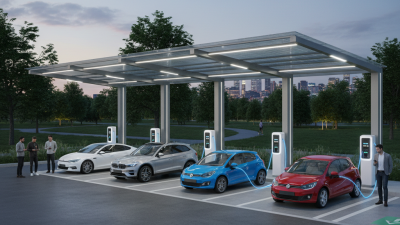
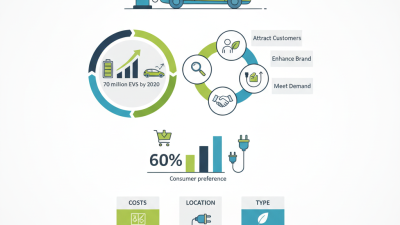
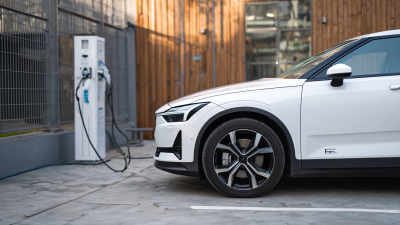
Choosing the right EV charging station can significantly impact your business. With the rise of electric vehicles, the demand for reliable charging options is growing. Customers expect convenient charging facilities when they visit. A suitable EV charging station attracts eco-conscious consumers, enhances your brand image, and increases foot traffic.
However, many businesses overlook key factors. Not all EV charging stations are created equal. Consider potential installation costs and the charging speed your customers need. Researching different models can be overwhelming, and choosing the wrong option may lead to frustrations later.
The right EV charging station contributes to sustainability. It showcases your commitment to a greener future. It’s also crucial for attracting new customers. A well-suited station can set your business apart from competitors. Investing the time to find the best solution will pay off, but it requires careful thought and planning.
Understanding the Importance of EV Charging Stations for Businesses
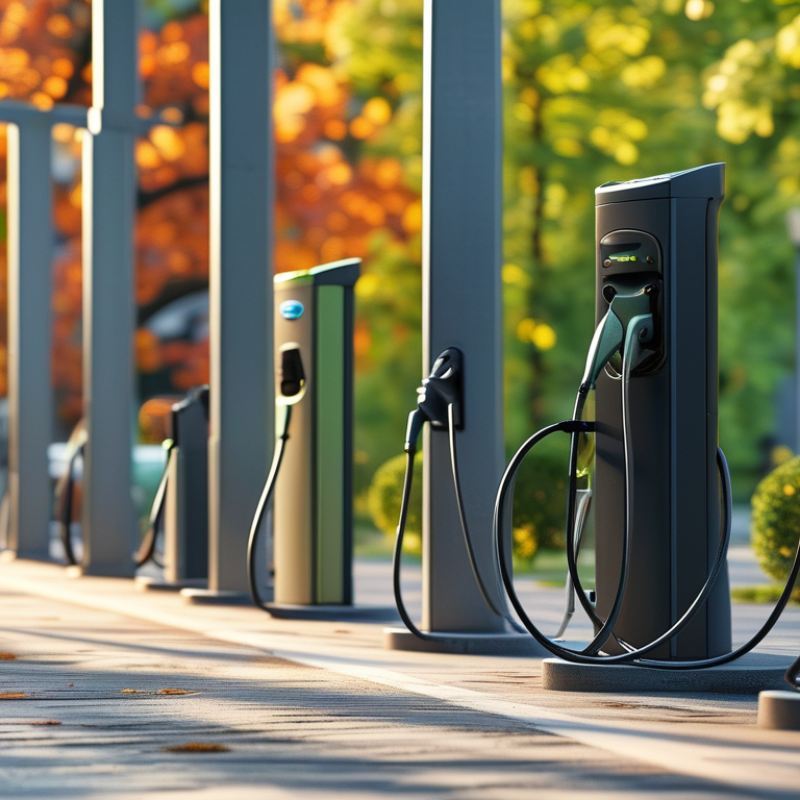
Electric vehicle (EV) charging stations are becoming essential for businesses. As more consumers shift to electric vehicles, providing charging options can attract new customers. It shows that a business is forward-thinking and environmentally conscious. This change can improve brand image and customer loyalty.
Choosing the right EV charging station involves several considerations. Location is key. A station needs to be easily accessible to encourage usage. The number of charging points also matters, as it affects how many customers can charge at once. Businesses must think about the type of chargers too. Fast chargers are appealing as they reduce wait times.
However, not all locations will see immediate benefits. Installation costs can be high. There may be operational challenges to consider. Some businesses might hesitate due to these financial implications. Understanding potential usage patterns is crucial. Analyzing local demand could help decide if the investment is worth it.
Identifying the Types of EV Charging Stations Available
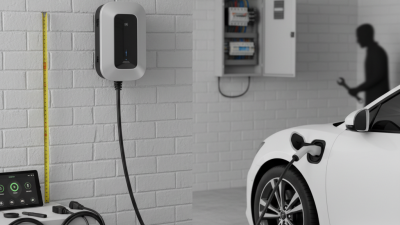
Selecting the appropriate EV charging station for your business requires a clear understanding of the types available. There are primarily three categories of charging stations: Level 1, Level 2, and DC fast chargers. Level 1 stations use a standard 120V outlet and are more suited for locations with ample overnight parking, like residential areas. Their slow charging rate may discourage usage in a high-traffic commercial environment.
Level 2 chargers, with a 240V supply, offer a balance between speed and installation cost. According to the U.S. Department of Energy, these stations can deliver about 10 to 60 miles of range per hour. This makes them a feasible choice for businesses like hotels and restaurants, where customers may spend time while their vehicle charges. However, they require dedicated electrical infrastructure, which may pose initial costs.
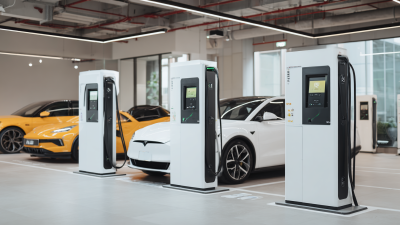
DC fast chargers are the quickest option, capable of contributing up to 80% charge in approximately 30 minutes. They cater to businesses aiming to provide rapid turnaround for customers. Despite their efficiency, installation expenses can be high and may require grid upgrades. Careful consideration of your customer flow and charging needs is essential. Might the upfront costs outweigh the potential benefits in traffic and customer satisfaction? Evaluating the appropriate type of EV charger is crucial for harnessing the growing EV market effectively.
Why Choose the Right EV Charging Station for Your Business? - Identifying the Types of EV Charging Stations Available
| Type of Charging Station |
Charging Speed |
Best Use Case |
Installation Cost |
Typical Location |
| Level 1 Charging Station |
2-5 miles per hour |
Home Charging, Small Businesses |
Low ($300 - $600) |
Residential Areas |
| Level 2 Charging Station |
10-25 miles per hour |
Workplaces, Public Parking |
Medium ($600 - $2,000) |
Commercial Areas |
| DC Fast Charging Station |
60-80 miles in 20 minutes |
High Traffic Areas |
High ($10,000 - $40,000) |
Highway Rest Stops |
| Wireless Charging Station |
Variable (8-50 miles per hour) |
Futuristic Applications |
Very High ($30,000+) |
Innovation Zones |
Assessing Customer Needs and Business Requirements
When selecting an EV charging station, understanding customer needs is essential. Research shows that 65% of EV drivers prioritize convenient charging locations. Businesses must identify the demographics of their clientele. Are customers commuters or long-distance travelers? Knowing this helps tailor the charging solutions offered.
Consider the charging speed that aligns with your targeted users. Level 2 chargers are ideal for places where customers stay longer, while DC fast chargers are preferred for quick stops. According to a study by the Department of Energy, 80% of EV charging occurs at home. This statistic highlights the importance of having stations where potential customers are frequenting.
Tip: Survey your customers to gather insights about their charging preferences. A simple questionnaire can provide valuable data. Engaging with your clients fosters a sense of community and helps fine-tune your offerings.
Also, keep local regulations in mind. Not all areas require the same installation processes or incentives. This discrepancy can impact costs and scheduling. A report from the EV Infrastructure Task Force indicates that regulations can vary significantly, affecting installation timelines. Understanding these nuances can lead to a smooth implementation.
EV Charging Station Utilization by Business Sector
Evaluating Installation Costs and Infrastructure Considerations
When considering installation costs for an EV charging station, businesses must evaluate several key factors. The initial investment can vary widely based on the type and number of chargers. Basic Level 2 chargers, which are adequate for most users, may require lower upfront costs. However, DC fast chargers need a more substantial investment due to their complexity and the electrical infrastructure required.
Infrastructure plays a significant role in this evaluation. Businesses should assess their current electrical capacity and any potential upgrades. Aging electrical systems may necessitate costly enhancements for installation. Additionally, accessibility and location of charging stations can influence installation expenses. A site with existing power lines may save costs compared to a site needing extensive trenching or utility upgrades.
There is also the need to assess ongoing maintenance costs. While some chargers have lower upkeep, others could incur higher expenses. Business owners may overlook these aspects, focusing only on initial costs. This could lead to unexpected financial burdens over time. Each decision should align with long-term goals and the specific needs of your clientele. A careful examination of all these elements ensures a well-informed choice.
Exploring Incentives and Benefits of EV Charging Stations for Businesses
Electric vehicle (EV) charging stations are a smart investment for businesses. They provide numerous benefits that can enhance customer experience. Many customers look for convenient charging options while shopping or dining. By installing charging stations, businesses can attract and retain eco-conscious consumers. This creates a positive brand image.
Incentives are often available for businesses installing EV charging stations. Tax credits and rebates can significantly lower the upfront costs. Local governments and utilities may offer additional support as well. These incentives can improve the financial viability of installation. However, businesses should research these options thoroughly. Not every incentive may be applicable or beneficial. It is essential to evaluate each opportunity carefully.
Additionally, having charging stations can open up collaboration prospects. Partnering with local energy providers may lead to innovative solutions and further incentives. Businesses can feel overwhelmed by the choices available. A clear strategy is crucial to maximize benefits. Regularly assessing the station's usage can identify areas for improvement. Making adjustments can enhance the overall effectiveness of the charging solution.