Why Choose a Type 1 Ev Charger for Your Electric Vehicle?
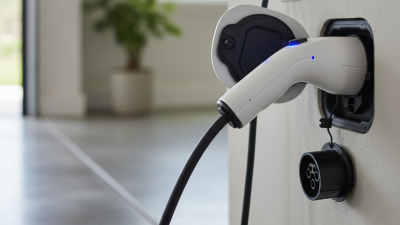
When considering the best charging options for electric vehicles, the Type 1 EV Charger stands out. This charger is well-regarded for its compatibility with many models, particularly in North America and Japan. Choosing a Type 1 EV Charger ensures a hassle-free charging experience.
One of the key reasons to opt for this charger is its efficiency. A Type 1 EV Charger delivers power at a consistent rate, allowing users to charge their vehicles quickly. Reliability plays a significant role here; drivers can trust the charger to work seamlessly, especially during long trips.
However, not every location is equipped with Type 1 charging stations. This can lead to challenges for users. Some may find themselves seeking alternative charging solutions. Understanding the local infrastructure is crucial. Despite its benefits, the need for strategic planning cannot be overlooked when using a Type 1 EV Charger. Overall, it is a sound choice for many EV owners, combining practicality and speed.
Overview of Type 1 EV Chargers and Their Specifications
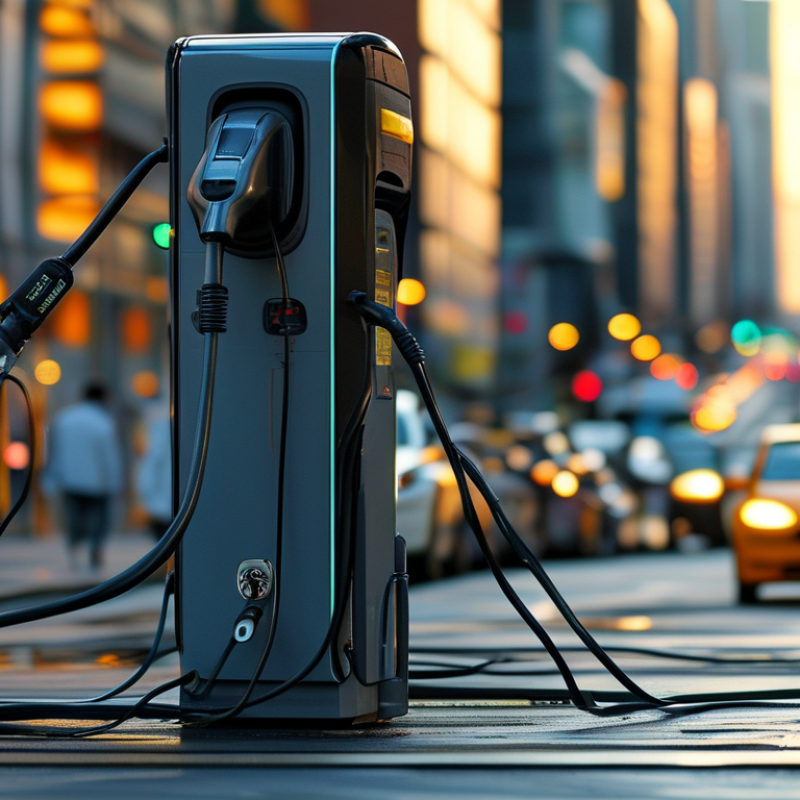
Type 1 EV chargers are popular in the electric vehicle landscape. They offer a simple and efficient solution for daily charging needs. Many electric vehicle owners choose them for home use. These chargers use a 5-pin connector that ensures a secure fit.
Specifications of Type 1 chargers are impressive. They typically provide a charging power of up to 7.4 kW. This means a standard electric vehicle can gain a range of 25-30 miles per hour of charging. While they are efficient, charging speed can vary. Some users may need faster options for longer trips or quicker charging during busy days.
In addition to power, Type 1 chargers also emphasize safety. They come equipped with features like overload protection. However, installation can be a challenge. Finding qualified electricians familiar with EV chargers is crucial. In some cases, existing home electrical systems may require upgrades to support higher charging capacities. Overall, Type 1 chargers present a reliable choice, but users should consider their specific needs and setup.
Why Choose a Type 1 Ev Charger for Your Electric Vehicle?
| Specification |
Description |
Typical Output |
Charging Time (0-100%) |
| Connector Type |
Type 1 (SAE J1772) |
Up to 40 Amps |
4-8 hours |
| Voltage |
240 Volts |
N/A |
N/A |
| Compatibility |
Most North American EVs |
N/A |
N/A |
| Safety Features |
Overcurrent protection, thermal protection |
N/A |
N/A |
| Portability |
Available in portable and fixed options |
N/A |
N/A |
Benefits of Choosing Type 1 Chargers for Electric Vehicles
Choosing a Type 1 EV charger offers several distinct advantages for electric vehicle (EV) owners. Type 1 chargers, primarily used in North America and Japan, provide compatibility with a wide range of EV models. This standardization simplifies charging for many users. According to the International Energy Agency, EV sales surged by 40% in 2020, highlighting a growing market that needs efficient charging solutions.
Using Type 1 chargers can significantly reduce charging time. Most Type 1 chargers can deliver up to 7.2 kW of power. This capacity allows for a full charge in approximately 4-8 hours, depending on the vehicle's battery size. In urban areas where charging stations are increasingly available, this is particularly beneficial. Yet, some users may face limited access in rural regions. This discrepancy can require travel adjustments or backup planning.
Moreover, the simplicity of a Type 1 charger reduces electronic waste. Its straightforward design minimizes the number of components that may fail over time. This reliability is vital as research suggests that user satisfaction hinges on charging efficiency and dependability. However, the fast-changing technology landscape prompts reflection on whether the Type 1 standard will evolve to keep pace with advancements in EV technology. Being mindful of these dynamics is crucial for future decisions.
Compatibility of Type 1 Chargers with Various Electric Vehicle Models
When considering electric vehicle (EV) chargers, the compatibility of Type 1 chargers is crucial. The Type 1 connector, known for its reliable performance, fits many popular EV models in North America, including Nissan Leaf, Chevy Volt, and Ford Focus Electric. A report from the International Energy Agency (IEA) indicates that around 40% of electric vehicles utilize this standard.
Data shows that Type 1 chargers are widely adopted due to their ease of use and accessibility. Statistics highlight that nearly 25% of charging station installations in the U.S. are Type 1 compatible. This popularity stems partly from the consistent and reliable charging experience they provide. Drivers appreciate that they can find Type 1 chargers at various public charging stations and homes.
However, it’s important to reflect on the limitations. Not all EV models support Type 1 charging. This discrepancy can frustrate potential users. Some regions may also show a lack of Type 1 infrastructure, making it less viable for certain consumers. While Type 1 chargers serve many users well, an organized transition towards more flexible charging options is necessary for broader compatibility. Such improvements can enhance the overall EV experience for everyone.
Installation Considerations for Type 1 EV Chargers at Home
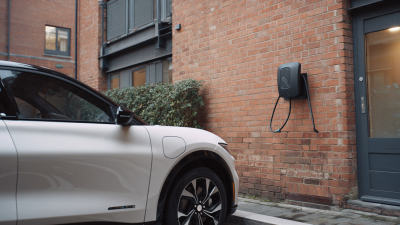
When considering a Type 1 EV charger for home installation, several factors come into play. First, the location matters. A suitable spot, such as a garage or a dedicated parking area, will make installation easier. Ensure that your EV charger is within reach of the power supply. This can help avoid costly wiring modifications.
Tips: Check local building codes before installation. Compliance is crucial and can save you trouble later.
Safety is paramount. Hire a qualified electrician to handle the installation. They can assess the electrical system's capacity to handle the new charger. Remember, older homes may need upgrades to support these devices. Without proper assessment, rushed installations can lead to hazards.
Tips: Regularly inspect the charger for wear and tear. Early detection can prevent expensive repairs.
Making the right choice involves assessing your home's electrical infrastructure and planning for future needs. Consider the charging speed that fits your lifestyle. Think about whether you'll use it primarily for daily commutes or long trips. Your choice impacts both convenience and efficiency.
Future Trends in EV Charging and the Role of Type 1 Chargers
As electric vehicles (EVs) gain traction, charging infrastructure evolves. Type 1 chargers are becoming a crucial part of this landscape. They offer fast and reliable options for many EV owners. As technology advances, users appreciate the convenience and speed these chargers provide. Yet, there are challenges in this rapid development.
Future trends indicate a push for more versatile charging solutions. Type 1 chargers will need to adapt to different charging speeds and capabilities. Transitioning to smart charging stations could enhance usability. However, the growing number of EVs may create strain on existing networks. Stakeholders must consider how to balance demand and efficiency effectively.
Some users still face difficulties in finding compatible chargers. This inconsistency can lead to frustration, especially during long trips. As the infrastructure grows, ensuring widespread availability remains essential. Engaging with the community and gathering feedback can inform further improvements in charging technology. Striving for a seamless charging experience should be a priority for all involved.