How to Choose the Best Electric Car Charger for Your Needs?
Electric vehicles (EVs) are rapidly gaining popularity. In 2022, global EV sales surpassed 10 million units, increasing by 55% from the previous year. With this growth, the demand for electric car chargers has also surged. Choosing the best charger for your needs can be overwhelming due to various options available.
Different factors play a crucial role in this decision-making process. Charging speed, installation costs, and compatibility with your vehicle are just a few key points. Many users may find themselves contemplating whether to invest in a Level 2 charger for faster charging or stick with a standard Level 1 charger for home use.
Moreover, the installation process can vary. Some may be unsure about home electrical systems and local regulations. It's essential to research installation requirements thoroughly. Understanding these details can prevent future frustrations. The right electric car charger will not only support your driving needs but will also enhance your EV experience overall.
Understanding the Different Types of Electric Car Chargers
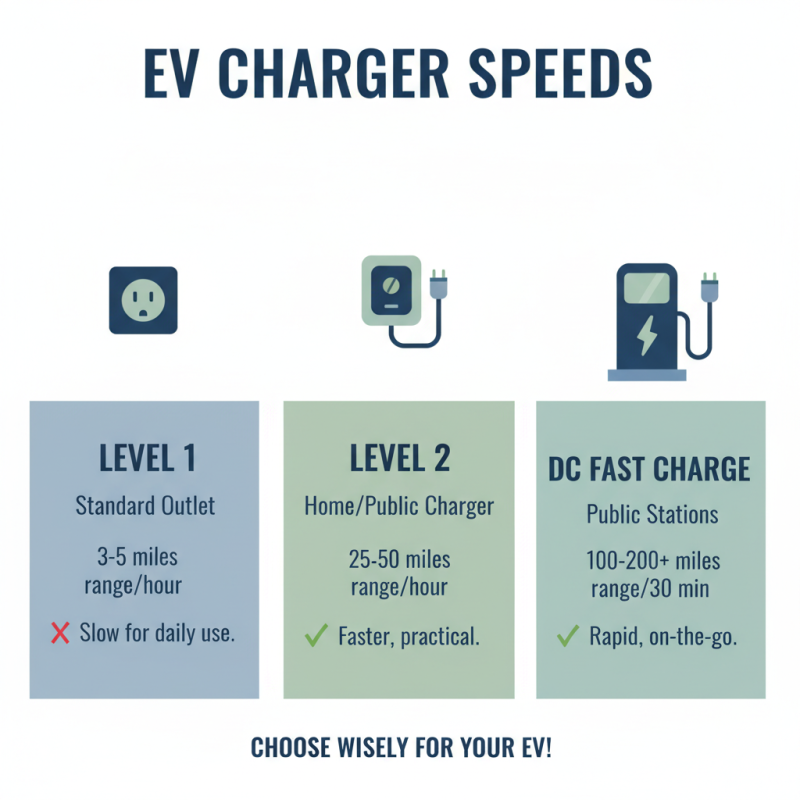
When it comes to charging your electric vehicle, understanding the different types of chargers is essential. There are three main types: Level 1, Level 2, and DC Fast Chargers. Level 1 chargers use standard household outlets and are the slowest option. They work well for overnight charging at home. However, they may not provide enough power for quick trips.
Level 2 chargers are more powerful. They can charge your car much faster than Level 1 chargers. These are ideal for home or public charging stations. If you drive long distances or have a busy schedule, a Level 2 charger may be necessary. However, installation costs can add up, so weigh the pros and cons carefully.
DC Fast Chargers are the fastest. They can charge your electric car in under an hour. However, they are usually found at commercial locations. They can be a lifesaver on long road trips but may not always be accessible. Consider your charging habits.
**Tip:** Evaluate your daily travel needs. If you only drive short distances, a Level 1 charger might suffice.
**Tip:** Check local charging infrastructure. Make sure there are enough Level 2 or DC fast chargers along your route.
In the end, picking the right charger depends on your lifestyle and vehicle use. Balancing convenience and cost is key.
How to Choose the Best Electric Car Charger for Your Needs? - Understanding the Different Types of Electric Car Chargers
| Charger Type |
Charging Speed |
Voltage |
Best Usage |
| Level 1 Charger |
2-5 miles of range per hour |
120V |
Home charging, overnight |
| Level 2 Charger |
10-25 miles of range per hour |
240V |
Home, work, public charging stations |
| DC Fast Charger |
60-80 miles of range in 20 minutes |
480V |
Highway travel, quick charging |
| Wireless Charger |
Varies, typically slower |
Varies |
Convenience, at home or public |
Evaluating Charging Speed: Level 1, Level 2, and DC Fast Chargers
When choosing an electric car charger, understanding charging speeds is crucial. There are three main types: Level 1, Level 2, and DC fast chargers. Level 1 chargers use standard household outlets. They provide about 3 to 5 miles of range per hour. While convenient, their slow speed can be frustrating for daily use.
Level 2 chargers offer a significant upgrade. They operate at 240 volts and can deliver up to 25 miles of range per hour. Most public charging stations use this standard. According to industry reports, over 70% of EV owners prefer Level 2 for home installations due to the faster charging times. However, they do require a dedicated circuit, which may involve additional installation costs.
DC fast chargers are the fastest option, providing up to 90 miles of range in just 30 minutes. They work best for long trips and are typically found along major highways. Still, their availability can be inconsistent. Not all EVs support DC fast charging, adding complexity to your decision. While speed is essential, also consider your charging habits and location. Each option has its pros and cons, and your needs may evolve over time.
Assessing Home Wiring and Electrical Capacity for Charger Installation
Assessing your home wiring is crucial before installing an electric car charger. The wiring system must handle the added load. Many homes use older wiring, which may not support modern chargers. You should check your electrical panel, too. It needs enough capacity for the charger you choose. An overload can cause problems, or even fires.
Consider the specific requirements of the charger. Some chargers need higher amperage for faster charging. Your home setup must match these needs. Hiring a qualified electrician is a wise choice. They can evaluate your electrical system. It's vital to ensure everything complies with safety standards.
Be mindful of the installation location as well. Ideally, it should be near your parking area. Think about how often you will use it. The convenience factor matters. Will you be able to reach the connector easily? If you need an extension cord, will it be suitable? These details can make a difference. Don't overlook any aspect. Adjustments can lead to greater efficiency and safety.
Exploring Smart Charger Features and Compatibility with Electric Vehicles
When selecting an electric car charger, smart features matter. A recent report from the International Energy Agency indicates that smart chargers can enhance charging efficiency by up to 30%. These chargers adjust their power output based on real-time energy demand. This prevents grid overload during peak hours.
Compatibility is another crucial aspect. According to recent industry data, about 90% of new electric vehicles support smart charging technology. This feature allows vehicles to communicate with the charger. Smart chargers can offer optimal charging times and energy pricing. However, not every charger is compatible with every vehicle model. Users should check specifications before making a decision. Some devices may seem appealing but may not work with all EVs.
Finding the right charger isn't always straightforward. Buyers may face confusion due to various standards and features. Wireless charging options, while innovative, remain less efficient than traditional plug-in charges. Understanding these elements can help consumers navigate their choices better. When research isn’t thorough, users may choose a charger that doesn’t meet their needs. This could lead to inconvenience in the long run.
Identifying Budget Considerations and Long-Term Benefits of Electric Chargers
When considering the right electric car charger, budget is crucial. The initial cost of a charger can vary significantly. Some chargers are quite affordable, while others can be a hefty investment. Think about your specific requirements. Are you charging daily or weekly? A higher-priced model might offer faster charging and advanced features. However, a basic charger may meet your needs perfectly.
Long-term benefits play a vital role in this decision. A more expensive charger can save you money over time. Efficient charging means less energy consumed. This could translate into reduced electricity bills. Moreover, faster charging times lead to greater convenience, especially for busy schedules. There are also future-proofing considerations. As technology evolves, investing in a more advanced charger could be beneficial.
Reflect on your driving habits. Do you travel long distances often? A powerful option might be necessary. On the other hand, if you mainly drive short distances, consider less expensive options. Be mindful of these details. Balancing upfront costs with long-term savings can be tricky. Make sure to evaluate your specific situation before making a final decision.