How to Choose the Best Home Wall EV Charge Station?
When considering the installation of a Home Wall EV Charge Station, choosing the right one can significantly impact your electric vehicle experience. Renowned EV infrastructure expert, Dr. Sarah Thompson, emphasizes, "Selecting the right charge station can enhance your EV journey." This highlights the importance of making informed choices.
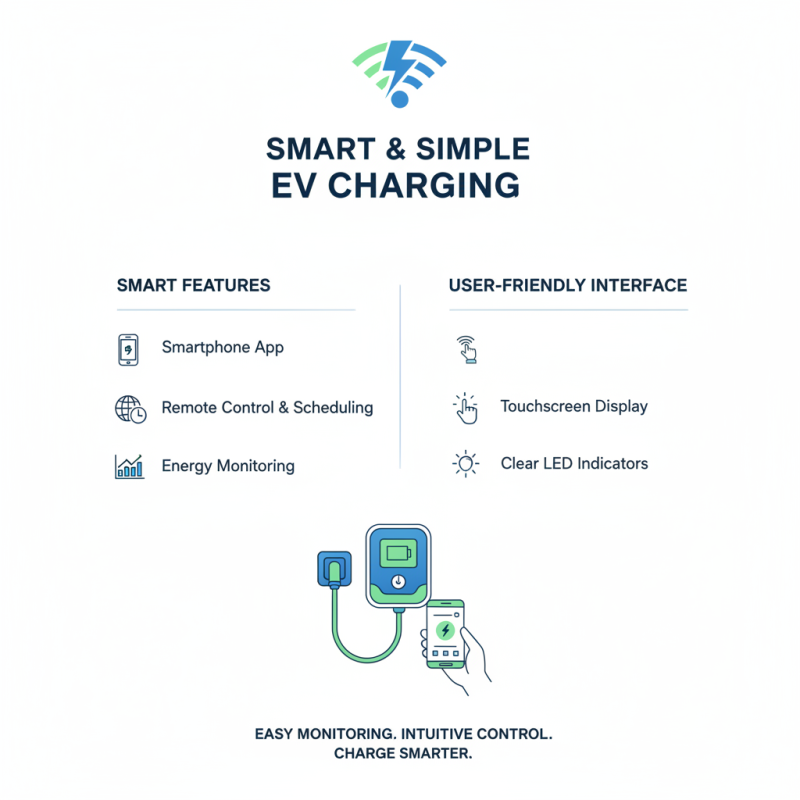
A Home Wall EV Charge Station should align with your charging needs and home setup. Different models offer various features, from power output to connectivity options. Considering your driving habits will guide your decision. Look for stations with smart technology that optimizes charging times and energy costs.
Installing a charge station is an investment. You want something that will last. Unsure? Research is key. Reviews and expert recommendations can offer insights into performance and reliability. Remember, the right choice can mean the difference between a seamless charging experience and one fraught with inconveniences.
Understanding Different Types of EV Charging Stations for Home Use
When selecting a home EV charging station, understanding the types available is crucial. There are primarily three categories: Level 1, Level 2, and DC Fast Charging stations.
Level 1 charging uses a standard 120-volt outlet. It’s convenient but slow, typically delivering 4 to 5 miles of range per hour. This might be insufficient for daily commuting needs.
Level 2 charging, using a 240-volt outlet, provides much faster charging rates, often adding about 25 miles of range per hour. The U.S. Department of Energy states that approximately 80% of EV owners opt for Level 2 home chargers. These stations are ideal for overnight charging, significantly reducing daily downtime. However, installation costs can vary dramatically, often ranging from $400 to $1,200.
DC Fast Charging stations are powerful but are less common for home use. They can fully charge an EV in under an hour, but the high installation costs and electrical requirements make them impractical for most homes. Additionally, many EVs are not equipped to handle such rapid charging. Understanding these differences is essential for any homeowner looking to invest in an EV charging solution that meets their needs. Each type has its pros and cons, reflecting the diverse requirements of electric vehicle owners.
Key Factors to Consider When Choosing a Wall EV Charger
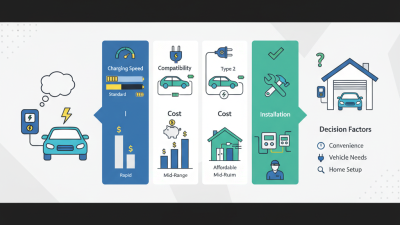
Choosing the right home wall EV charge station is essential for any electric vehicle owner. Understanding key factors can greatly impact your charging experience. One major aspect is charging speed. EV chargers come with different power outputs. A higher output means faster charging. Assess your vehicle's compatibility to avoid frustrations later.
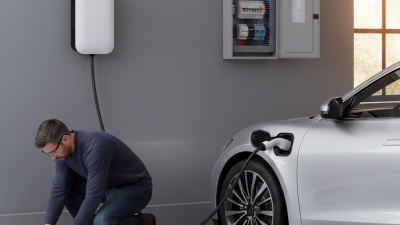
Another crucial factor is installation requirements. Some stations require professional installation, while others allow DIY setups. Check local regulations and safety standards. Make sure your home's electrical system can handle the charger’s demands. This can save you headaches and possible safety issues.
Tips: Prioritize those chargers with built-in safety features. Overcharging can lead to damages. Always consider the warranty; this indicates the manufacturer's confidence in their product. Investing time in research pays off. Reflect on your daily driving needs. Your ideal charger should match your routine and budget.
Evaluating Charging Speed and Power Output for Home Stations
When selecting a home wall EV charge station, evaluating charging speed and power output is crucial. The charging speed directly impacts how quickly your vehicle can replenish its battery. Most home chargers offer power outputs ranging from 3.3 kW to 11 kW, with higher outputs providing faster charging. Understanding your vehicle's compatibility with these power levels is essential for optimal performance.
Consider the typical charging scenarios for your household. If you primarily charge overnight, a lower power output may suffice. However, if you often need a fast charge during the day, opting for a higher wattage is wise. It is also important to reflect on the electrical system in your home. Older wiring might not support high power outputs safely, potentially leading to issues.
Choosing the right charger isn't just about numbers. It involves a commitment to enhancing your daily life and reducing downtime. Evaluate not just the specifications, but the installation costs and any necessary upgrades to your electrical panel. These factors can add complexity and expense, so weigh them carefully. Making a well-informed decision ensures reliability and meets your specific charging needs.
Assessing Installation Requirements and Electrical Compatibility
When selecting a home wall EV charge station, it’s crucial to focus on installation requirements and electrical compatibility. Assess your garage or parking space. Check the availability of electrical outlets. Ensure your electrical system can handle the additional load. A standard 240-volt outlet is often ideal. If your home lacks this, upgrades may be necessary.
Consult with a qualified electrician. They can assess your current electrical infrastructure. Voltage and amperage must match the charge station’s needs. Factor in your vehicle’s charging rate. Not all EVs charge at the same speed. It’s essential to align your charging setup with your driving habits. Consider whether future upgrades to your vehicle may require more power.
Reflect on local building codes and electrical safety regulations. Compliance is not just a legal requirement; it ensures reliable operation. In some cases, retrofitting may expose hidden issues. Older homes often come with challenges like inadequate wiring or outdated panels. Address these concerns proactively to avoid surprises later. Making informed decisions now will pay off in convenience and safety later on.