2026 How to Choose the Best Home Wall EV Charge Station?
When considering the installation of a Home Wall EV Charge Station, several factors demand attention. Choosing the right station is vital for effective charging at home. Electric vehicles (EVs) are gaining popularity, making home charging systems essential.
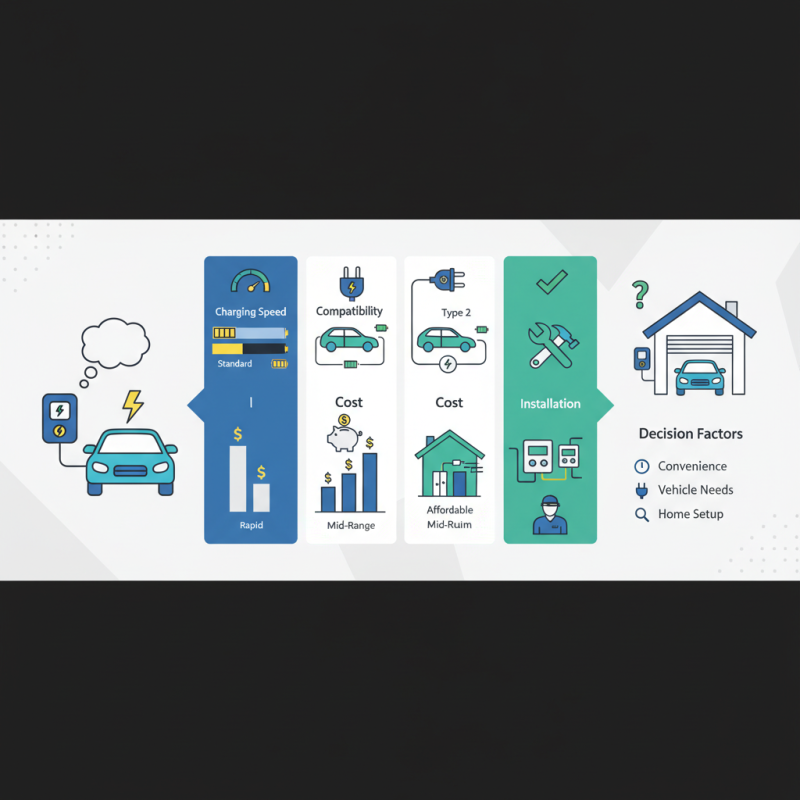
Several models are available on the market, each offering unique features. Some stations provide faster charging options, while others may be more affordable. It's important to evaluate your needs carefully. Look for compatibility with your vehicle and speed of charging.
Installation can pose challenges. Ensure you have proper wiring and outlets in your garage. You might need a professional to help. Remember, even small details can affect your charging experience. A well-chosen Home Wall EV Charge Station should enhance convenience, but choices can be overwhelming. Consider all aspects before making a decision.
Understanding EV Charging Basics and Wall Charge Stations
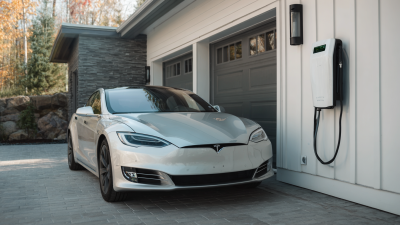
As electric vehicles (EVs) gain popularity, understanding EV charging basics is crucial. Wall charge stations provide a practical solution for home charging. These stations connect directly to your home’s electrical system. This setup allows for faster charging compared to standard outlets. A typical wall-mounted EV charger can deliver a range of power levels.
When considering a wall charge station, look at installation options. Not every home is equipped for high power output. Sometimes, upgrades to your electrical panel are necessary. This can be costly and requires careful planning. You might also need to decide on the location. It’s vital to have a convenient spot that’s safe from weather and obstructions.
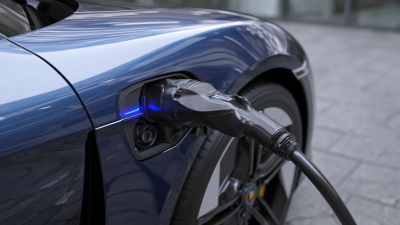
Many users overlook the importance of cable length. A short cable can create awkward setups. Ensure it reaches your vehicle without stretching or pulling. Think about the type of EV you own or plan to buy. Compatibility with various vehicle models can be limiting. Avoid making assumptions about universal fit; not all chargers work with every car.
Assessing Your Home's Electrical Capacity for EV Charging
When considering the installation of a home EV charging station, assessing your home's electrical capacity is crucial. Many homes may not support high voltage needs. You may need to check the amperage of your electrical panel. A standard panel offers 100-200 amps, but older homes might have lower ratings.
It's essential to understand the demands of your EV charger. Level 2 chargers often require 240 volts and can draw up to 32 amps. If your electrical capacity is limited, a professional evaluation is necessary. Sometimes, you may need to upgrade your panel, which can be an unexpected expense.
Consider the location of your charging station too. Proximity to the electrical panel reduces installation costs. Be aware, outdoor installations should meet weatherproof standards. Think about wiring and circuit breaker installations. You might face challenges with complicated pathways. Adjusting to these realities is vital for a successful setup.
Types of Wall EV Charge Stations: Level 1 vs. Level 2
When choosing a wall EV charge station, understanding the types is crucial. Two primary options exist: Level 1 and Level 2. Level 1 chargers use a standard 120-volt outlet. They are easy to set up, but offer slower charging speeds, adding about 4-5 miles of range per hour. This can be insufficient for daily needs, especially for frequent drivers.
Level 2 chargers are more powerful, operating at 240 volts. They can deliver 10 to 60 miles of range per hour, significantly enhancing convenience. With the growing number of electric vehicles (EVs), a report by the U.S. Department of Energy shows that Level 2 stations are increasingly becoming the preferred choice among users. Their installation might involve additional costs, but the efficiency gained often outweighs these expenses.
However, installation difficulties can arise. Some homeowners might face electrical modifications. There’s also the issue of locating the charger ideally. Not all garages or driveways accommodate a straightforward setup. Additionally, the availability of installation professionals can vary by region, leading to delays. As EV adoption grows, it’s essential to consider these practical concerns. Balancing efficiency with logistical challenges is key to making the best choice for home charging needs.
Key Features to Look for in a Home Wall EV Charge Station
Choosing the best home wall EV charge station involves understanding key features. The right station can drastically enhance your electric vehicle experience. It affects charging speed, compatibility, and overall convenience.
Charging speed is a crucial aspect. Level 2 chargers generally offer a charging rate of 10 to 60 miles of range per hour. This can make a big difference for daily drivers. Smart features are also important. Wi-Fi or Bluetooth connectivity allows users to monitor charging status remotely. A study showed that 55% of EV owners prefer chargers with app integration for better control.
Safety should not be overlooked. Look for stations with overcurrent protection and ground fault detection. These features minimize risks of fire or electrical faults. Moreover, consider the installation process. Some models may require substantial electrical work, which can add to costs. The average installation can range from $500 to $1,200. Not every charger fits all homes, and you must evaluate your electrical capacity carefully.
Installation Considerations and Costs for Home Charging Solutions
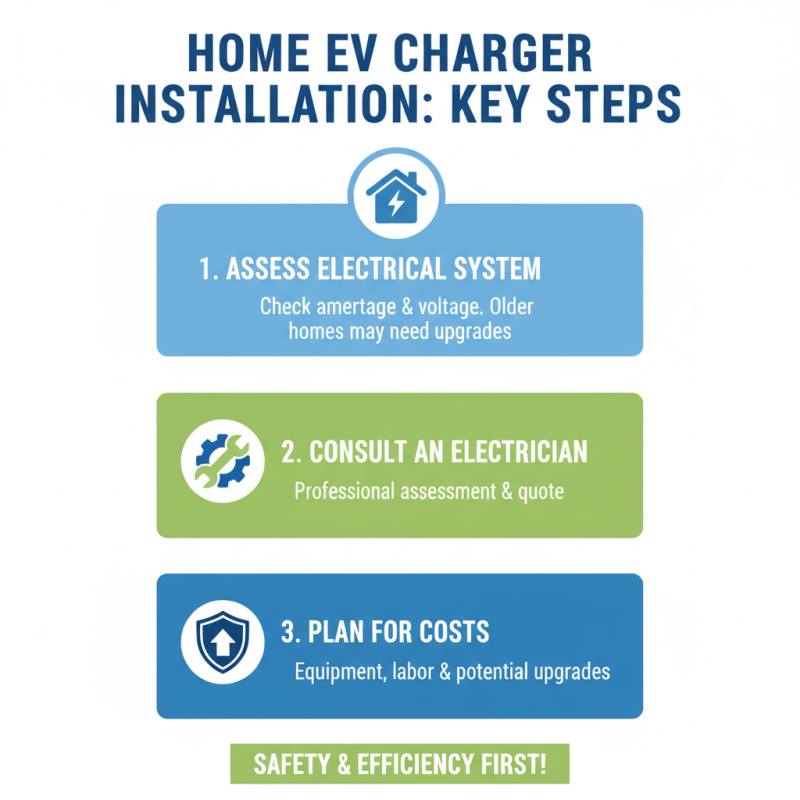
When considering a home wall EV charge station, installation is key. First, assess your electrical system. Is it sufficient for the charger? Consult an electrician to check the amperage and voltage. Sometimes, older homes need upgrades. This can lead to unexpected costs.
Next, think about the location of your charger. Ideal spots are near your parking space. Ensure the setup allows for easy access. Factors like cable length also matter. Do you need an extension? Having a dedicated circuit may increase installation expenses but ensures safety.
Costs for installation vary widely. Expect a range based on your home’s needs. Some homeowners underestimate the total figure. It's essential to consider permits, labor, and materials. Researching local regulations can offer insights into hidden fees. Ultimately, careful planning can save significant money.