How to Choose the Best Type 1 EV Charger for Your Electric Vehicle in 2025
As the demand for electric vehicles (EVs) continues to rise, the need for efficient charging solutions has become increasingly critical. In 2025, the landscape for EV charging infrastructure, particularly for Type 1 EV chargers, is expected to evolve significantly. According to the International Energy Agency (IEA), the number of electric cars on the road could reach 125 million by 2030, highlighting the urgent need for accessible and reliable charging options. The charging capabilities and types of connectors available can directly influence consumer acceptance and the growth of the EV market.
Brian T. Johnson, a renowned electric mobility expert, emphasizes the importance of proper charger selection, stating, “Choosing the right EV charger is crucial for both the performance of your vehicle and the convenience of your charging experience.” As Type 1 EV chargers become increasingly utilized in many regions, understanding the varying specifications, charging speeds, and compatibility with different EV models is essential for both new and experienced EV owners.
Navigating the array of factors that influence charger selection will enable consumers to make informed decisions that enhance their electric driving experience, ensuring that their Type 1 EV charger meets current and future needs. Consequently, comprehending the nuances surrounding Type 1 EV chargers will play a vital role in the sustainable growth of the electric vehicle market.
Understanding Type 1 EV Chargers and Their Features
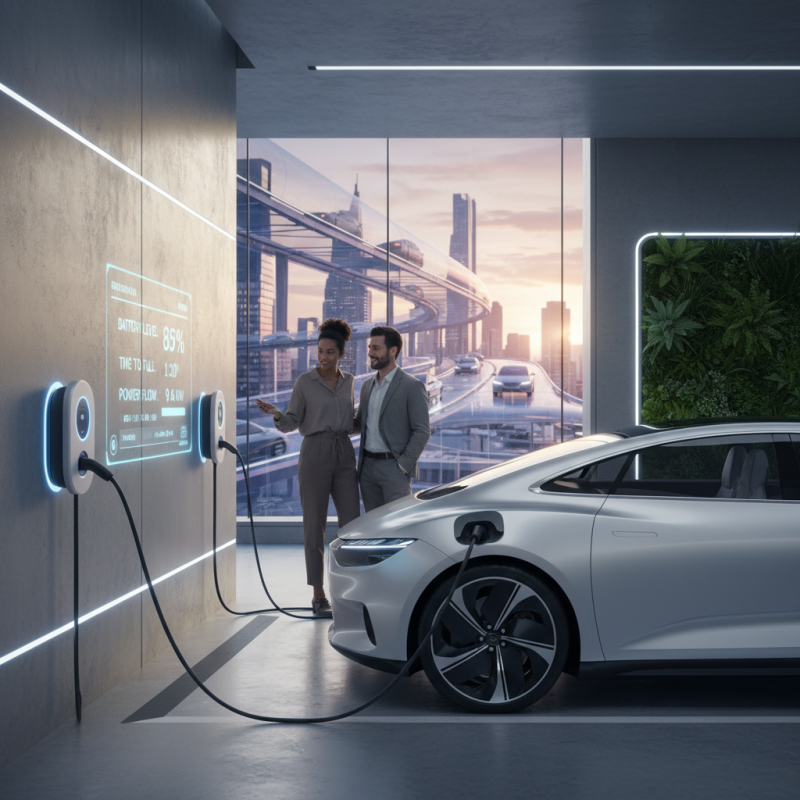
When exploring Type 1 EV chargers, it's essential to understand the unique features that make them suitable for various electric vehicles. Type 1 chargers are designed with a single-phase system, primarily used in North America and Japan. They typically provide a power output ranging from 3.7 kW to 7.4 kW, allowing for efficient charging times for compatible EVs. These chargers utilize a connector that features five pins, ensuring a secure connection for optimal power delivery.
When selecting a Type 1 charger, consider factors such as charging speed, compatibility with your vehicle, and installation requirements. Many chargers come with adjustable power settings, which can help manage energy costs and charging duration. Additionally, look for features like built-in safety mechanisms, user-friendly interfaces, and connectivity options for remote monitoring and control.
Tips for choosing the best Type 1 charger include checking the amperage rating to match your home electrical system, ensuring the charger is weatherproof if it will be installed outdoors, and researching user reviews to gauge reliability and performance. Moreover, consider future-proofing your choice by selecting a charger that can handle software updates or additions for enhanced functionality. This foresight can make your charging experience more convenient and adaptable to your needs.
Key Factors to Consider When Choosing an EV Charger
When selecting the best Type 1 EV charger for your electric vehicle in 2025, several key factors should be carefully considered. First and foremost, charging speed is critical; the efficiency of an EV charger can significantly influence how quickly a vehicle can be recharged. According to recent industry reports, the average Level 2 charger can deliver about 25 miles of range per hour, making it essential to assess your vehicle's specific range needs and charging habits. For instance, if you frequently embark on long trips, opting for a charger that provides rapid charging capabilities may enhance convenience and reduce downtime.
Another pivotal factor to consider is the compatibility of the charger with your EV. As the market evolves, ensuring that your chosen charger aligns with the latest vehicle technologies is crucial. Data from the Electric Vehicle Council suggests that over 80% of EV owners prefer chargers that offer smart integration, allowing for user-friendly features like remote monitoring and control via smartphones. Additionally, analyzing the installation requirements and associated costs is vital. Many homeowners may find that the electrical capacity of their residence needs upgrading to accommodate high-wattage chargers, and understanding these potential expenses beforehand can aid in making an informed decision.
Charging Speed Comparison of Type 1 EV Chargers (2025)
This chart compares the charging speeds of different types of EV chargers available in 2025. Level 1 chargers offer a slow charge at approximately 1.4 kW, suitable for home use. Level 2 chargers provide a faster charge at 7.2 kW, making them ideal for residential and commercial settings. DC Fast Chargers lead with a substantial charging speed of 50 kW, perfect for rapid charging on the go.
Comparing Charging Speeds: Level 1 vs. Level 2 Chargers
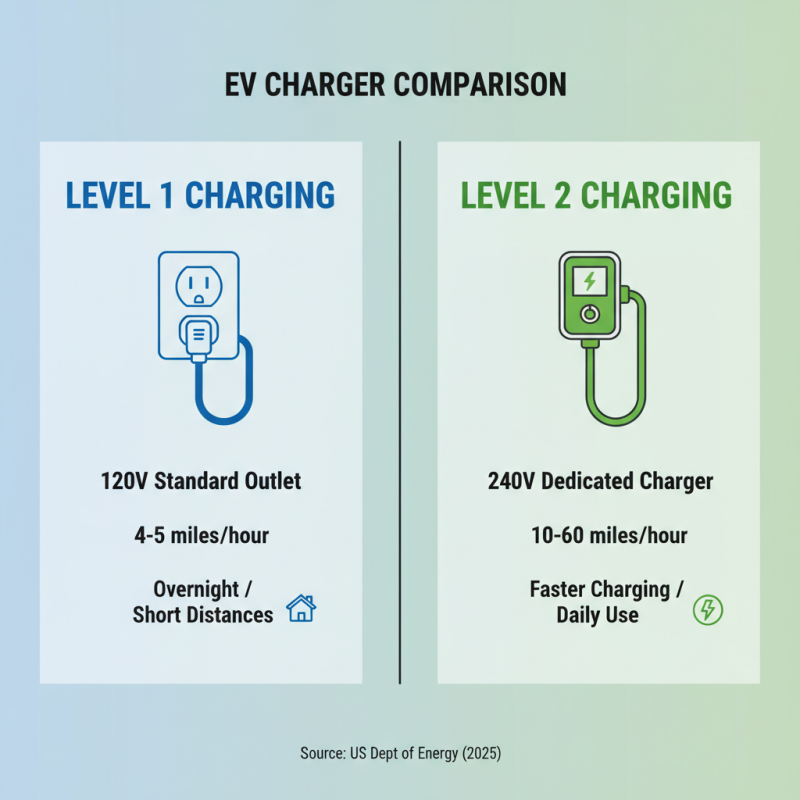
When choosing an EV charger for your electric vehicle in 2025, understanding the differences between Level 1 and Level 2 charging options is crucial. Level 1 chargers typically use a standard 120-volt outlet and provide a charging speed of about 4-5 miles of range per hour. This method is often seen as adequate for electric vehicle owners who predominantly drive short distances or have the ability to charge overnight. According to the U.S. Department of Energy, Level 1 chargers are most effective for those who can rely on home charging, making it a cost-effective choice for many users.
In contrast, Level 2 chargers operate at 240 volts and can deliver between 10 to 60 miles of range per hour depending on the specific charger and vehicle model. The Electric Power Research Institute reports that the widespread adoption of Level 2 charging infrastructure is accelerating, with homeowners increasingly opting for these faster solutions. For drivers who need to recharge quickly during the day or frequently take longer trips, a Level 2 charger can significantly enhance convenience and usability. As electric vehicle adoption continues to grow, the investment in Level 2 chargers not only supports individual needs but also aligns with the broader initiative toward a comprehensive and efficient electric vehicle ecosystem.
Evaluating Brand Reliability and Warranty Options
When selecting the best Type 1 EV charger for your electric vehicle in 2025, evaluating brand reliability and warranty options is crucial. A charger is a significant investment, and ensuring that you choose a reputable brand can help mitigate potential issues down the line. Research brands by looking into customer reviews, expert evaluations, and industry awards. A brand with a strong track record typically signifies a commitment to quality and customer satisfaction.
Tips: Before making a decision, consider how long the warranty lasts. Many manufacturers offer warranties ranging from three to five years, which can provide peace of mind regarding potential defects or malfunctions. Additionally, check what the warranty covers—some may include parts, labor, and even tech support, while others might be more limited.
Furthermore, explore the customer service reputation of the brand. Prompt and helpful customer support can make a significant difference, especially if you encounter problems or need assistance with installation. A company with responsive customer service is often a reliable choice, ensuring you receive support when you need it most. By prioritizing these elements, you can confidently select a charger that suits your electric vehicle while enhancing the overall ownership experience.
How to Choose the Best Type 1 EV Charger for Your Electric Vehicle in 2025 - Evaluating Brand Reliability and Warranty Options
| Charger Type |
Charging Speed (kW) |
Weight (lbs) |
Warranty Period (Years) |
Brand Reliability Rating (1-10) |
| Type 1 Wall Charger |
7.2 |
15 |
3 |
8 |
| Type 1 Portable Charger |
3.7 |
10 |
2 |
7 |
| Type 1 Fast Charger |
22 |
25 |
5 |
9 |
| Type 1 Smart Charger |
7.2 |
20 |
4 |
10 |
Installation Considerations for Type 1 EV Chargers
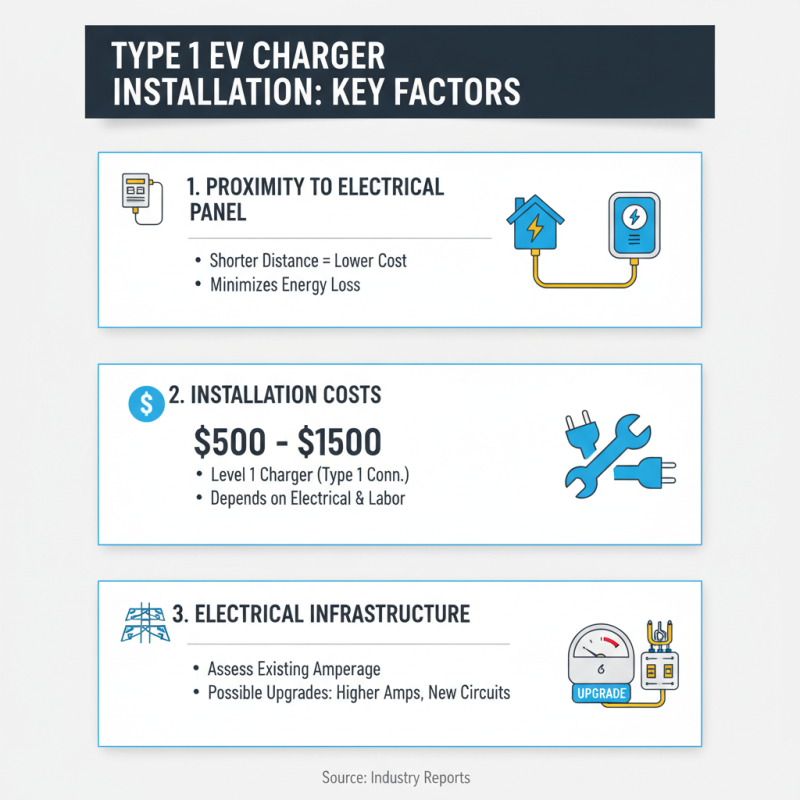
When considering the installation of a Type 1 EV charger, several key aspects must be taken into account to ensure optimal performance and efficiency. First and foremost, the proximity of the electrical panel to the charging station site is crucial. A shorter distance can reduce installation costs and minimize energy loss during transmission. According to industry reports, the average cost of installing a Level 1 charger—typical for Type 1 connectors—ranges from $500 to $1500, depending on electrical upgrades and labor expenses. Homeowners should evaluate their existing electrical infrastructure to determine if any upgrades, such as a higher amperage or additional circuits, are necessary to support the charger’s power requirements.
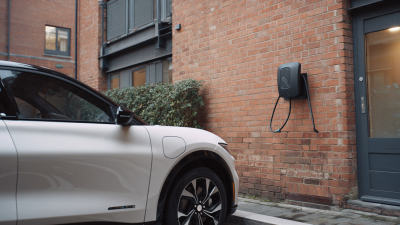
Another critical installation consideration is the environment in which the charger will be placed. Type 1 chargers are designed for indoor or sheltered outdoor use, with recommendations for adequate weather protection and accessibility. The National Renewable Energy Laboratory has indicated that outdoor installations must consider factors such as temperature extremes and potential water intrusion, which can affect the charger’s longevity and operational efficacy. Additionally, ensuring that the charging unit is situated within a safe distance from vehicular traffic and has proper signage can enhance both safety and convenience for users. By carefully planning these installation factors, electric vehicle owners can maximize the benefits of their Type 1 EV charger while ensuring compliance with relevant electrical standards and safety guidelines.