How to Choose the Best Portable EV Charger for Your Electric Vehicle
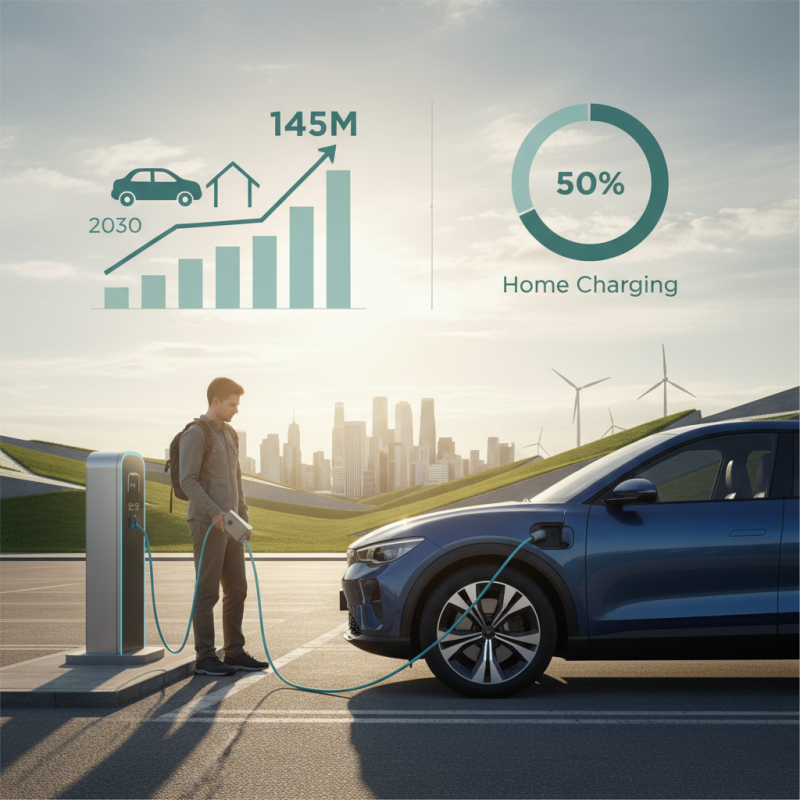
As the shift towards electric vehicles (EVs) accelerates, the demand for effective charging solutions has never been greater. According to a recent report from the International Energy Agency (IEA), global electric car stock surpassed 10 million units in 2020, marking a significant increase from previous years. This momentum is expected to continue, with projections suggesting that the number of electric vehicles on the road could reach 145 million by 2030, thus creating an urgent need for convenient charging options to support this growing ecosystem.
Among the various charging solutions, the Portable EV Charger has emerged as a popular choice for many EV owners. Its flexibility allows users to charge their vehicles at home, work, or even on the go, eliminating many of the range anxiety concerns traditionally associated with electric cars. Furthermore, a report by Bloomberg New Energy Finance forecasts that nearly half of the electric vehicle charging infrastructure will be made up of home charging stations by 2025, underscoring the significance of portable solutions in enhancing the accessibility and practicality of EV ownership.
As consumers shift towards the adoption of electric mobility, understanding how to choose the best Portable EV Charger becomes vital. Factors such as charging speed, compatibility, and safety features will play essential roles in making informed decisions that align with individual driving habits and needs.
Understanding the Importance of Portable EV Chargers
Portable EV chargers have become an essential accessory for electric vehicle (EV) owners as they provide flexibility and convenience in charging away from home. According to a report from the International Energy Agency (IEA), the global electric vehicle stock reached 10 million in 2020, a significant increase that underscores the growing demand for accessible charging solutions. The availability of portable chargers allows EV drivers to access power in various locations, reducing range anxiety and enhancing the overall EV experience.
Moreover, the increasing adoption of electric vehicles highlights the importance of charging infrastructure. A study by BloombergNEF projected that by 2040, there could be as many as 500 million electric vehicles on the road worldwide. With this surge, portable EV chargers help bridge the gap in charging availability, particularly in underserved areas or during long trips where traditional charging stations may not be readily available. The flexibility offered by these portable solutions ensures that EV owners are not solely dependent on fixed charging stations, promoting greater confidence in the transition to electric mobility.
Key Features to Consider When Selecting a Portable EV Charger
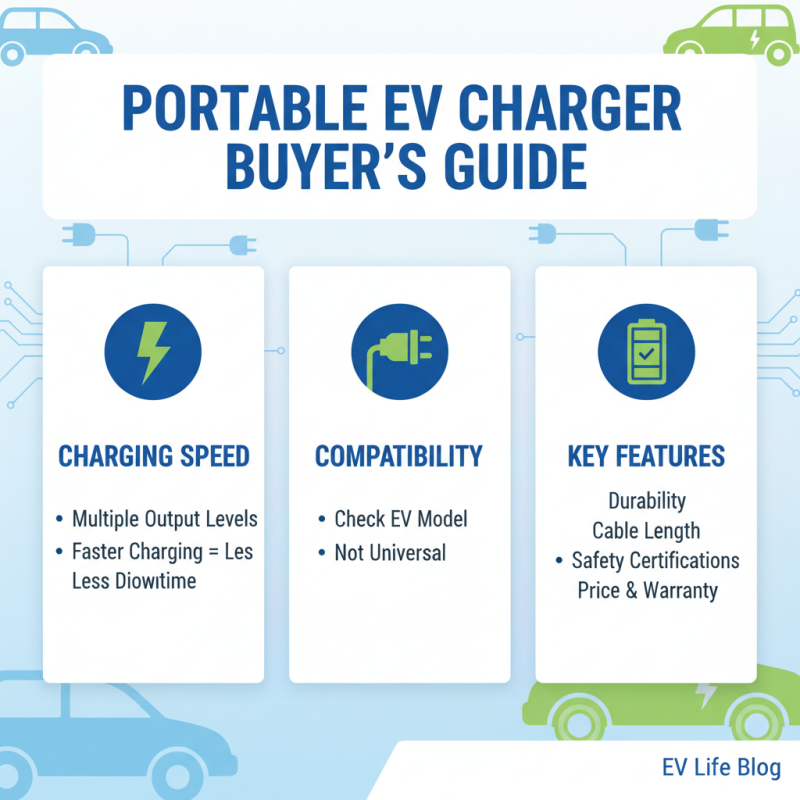
When selecting a portable EV charger for your electric vehicle, there are several key features to consider to ensure you make the best choice for your needs. First and foremost, the charger's charging speed is crucial. Look for a charger that offers different output levels to accommodate various vehicles, as faster charging can significantly reduce downtime on the road. Additionally, check the charger's compatibility with your specific EV model, as not all chargers work with every type of electric vehicle.
Another important feature to contemplate is portability. A lightweight and compact design makes it easier to store and transport the charger, particularly for those who may need to use it in different locations. Consider a charger with a durable and weather-resistant casing to ensure it can withstand various outdoor conditions.
**Tips**: Ensure the charger has a good length of cable to provide flexibility in parking situations. Furthermore, opt for a model with safety features like overcurrent protection and temperature control to safeguard both the charger and your vehicle. Lastly, read user reviews to gain insights on the real-world performance and reliability of the charger you're considering.
Different Types of Portable EV Chargers Available on the Market
When selecting a portable EV charger, it's essential to understand the different types available on the market. The most common types are Level 1 and Level 2 chargers. Level 1 chargers typically use a standard 120-volt outlet and are ideal for home use or emergency charging. They are slower and can take a considerable amount of time to fully charge an electric vehicle. However, they are convenient for overnight charging and can be easily plugged into any regular outlet.
Level 2 portable chargers, on the other hand, operate on a 240-volt outlet, providing significantly faster charging speeds. These chargers are suitable for users who need to charge their vehicles more quickly, such as during road trips or while at work. Additionally, some Level 2 chargers come with adjustable amp settings, allowing users to customize the charging speed based on their needs or the specific vehicle's capabilities. By understanding these different types of portable EV chargers, electric vehicle owners can make informed decisions based on their charging requirements and lifestyles.
How to Choose the Best Portable EV Charger for Your Electric Vehicle - Different Types of Portable EV Chargers Available on the Market
| Charger Type |
Charging Speed (kW) |
Connector Type |
Portability |
Price Range ($) |
| Level 1 Charger |
1.4 - 2.4 |
NEMA 5-15 |
Very Portable |
200 - 500 |
| Level 2 Charger |
3.3 - 7.2 |
NEMA 14-50 |
Moderately Portable |
400 - 800 |
| DC Fast Charger |
25 - 350 |
CCS, CHAdeMO |
Less Portable |
10,000 - 40,000 |
| Portable Charger |
3.6 - 7.2 |
NEMA 14-50, 5-15 |
Highly Portable |
300 - 600 |
Compatibility with Your Electric Vehicle: What to Check
When selecting a portable EV charger, the foremost consideration should be its compatibility with your electric vehicle. Different electric vehicles (EVs) utilize various charging standards and connectors, making it essential to verify that the charger you choose can effectively interface with your vehicle's charging system. Before making a purchase, consult your EV’s manual or manufacturer specifications to identify the required charging connector type, whether it is Type 1, Type 2, or another format.
Moreover, it's important to consider the charging power output of the portable charger. Different EVs have distinct onboard chargers that may accept different maximum charging speeds. A charger with a higher power output can reduce the time it takes to recharge your vehicle, making it more convenient for daily use. Additionally, ensure that the portable charger supports the voltage specifications of your EV, as this can impact both performance and safety. By thoroughly examining these compatibility factors, you can make an informed decision that ensures your portable charger meets your charging needs effectively.
Safety and Efficiency Ratings for Portable EV Chargers
When selecting a portable EV charger, safety and efficiency ratings are crucial elements to consider. These ratings provide a measure of how well a charger performs and how safe it is to use with your electric vehicle. Look for chargers that meet national safety standards and have certifications from recognized organizations. High efficiency ratings indicate that a charger can maximize energy transfer, allowing your vehicle to charge faster and more effectively.
Tips for evaluating safety ratings include checking for features like overcurrent protection, temperature control, and built-in surge protection. These features can help prevent overheating and electrical damage while ensuring your EV charging experience is safe. Additionally, reading user reviews can provide insights into real-world safety performance and reliability.
When it comes to efficiency, consider chargers that offer adjustable power settings to match the capabilities of your home's electrical system. This adaptability not only optimizes charging times but also helps to prevent risks associated with overloading circuits. Always ensure that your portable charger’s power output aligns with your vehicle’s requirements to ensure both safety and optimal charging efficiency.
Safety and Efficiency Ratings for Portable EV Chargers