Why Are Electric Car Recharge Stations Essential for the Future of Transportation
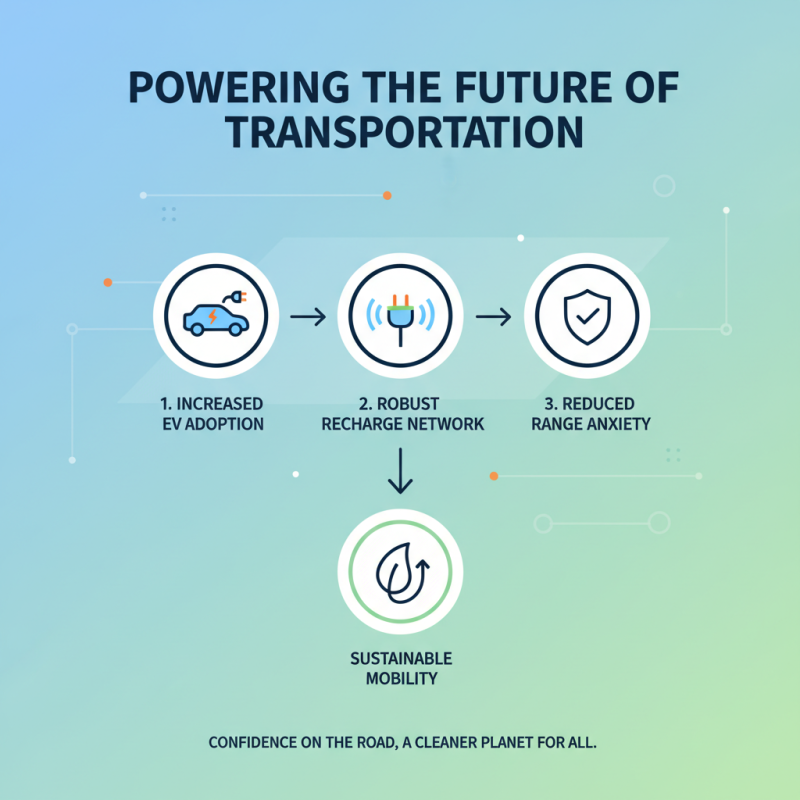
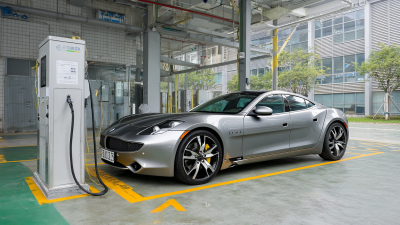
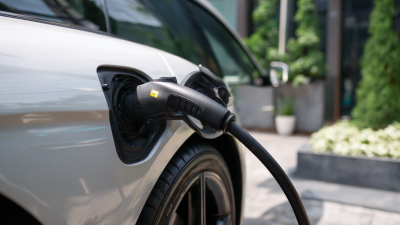
As the world steadily transitions towards sustainable energy solutions, the significance of Electric Car Recharge Stations becomes increasingly evident. These stations not only facilitate the convenience of electric vehicle (EV) use but also play a pivotal role in fostering the larger movement toward decarbonizing transportation. The rise in popularity of electric vehicles underscores the necessity for an extensive network of recharge stations to support the growing number of eco-conscious consumers. This infrastructure is crucial for ensuring that electric cars can travel long distances without the anxiety of running out of power, thereby encouraging more individuals to make the switch from gasoline-powered vehicles.
Moreover, Electric Car Recharge Stations are essential in supporting renewable energy integration within the transportation sector. By strategically placing these stations in urban and rural areas alike, communities can benefit from a more resilient energy ecosystem that aligns with global sustainability goals. As cities evolve and more regions adapt to electric mobility, these recharge stations will serve as an integral component of modern transportation infrastructure. Ultimately, the development of a comprehensive network of Electric Car Recharge Stations will not only enhance convenience for users but also significantly contribute to a cleaner and more sustainable future.

The Role of Electric Car Recharge Stations in Sustainable Transportation
The transition to sustainable transportation is increasingly reliant on the widespread availability of electric car recharge stations. These facilities play a crucial role in addressing one of the primary barriers to electric vehicle (EV) adoption: range anxiety. With a robust network of recharge stations, drivers can feel confident that they can travel longer distances without the fear of running out of battery. This infrastructure not only promotes confidence in EV usage but also encourages more consumers to consider electric vehicles as a viable alternative to traditional gasoline-powered cars.
Moreover, electric car recharge stations contribute significantly to reducing greenhouse gas emissions and minimizing urban air pollution. By facilitating the use of electric vehicles, these stations help decrease reliance on fossil fuels, promoting cleaner air and a healthier environment. As more cities and regions prioritize sustainability, the integration of recharge stations into urban planning and development becomes essential. This not only supports a shift towards greener transportation options but also aligns with global efforts to combat climate change, making recharge stations a cornerstone in the evolution of transportation infrastructure for the future.
Impact of Electric Vehicle Adoption on Infrastructure Requirements
The widespread adoption of electric vehicles (EVs) is reshaping our transportation infrastructure, necessitating a comprehensive approach to the development of recharge stations. Unlike traditional fuel stations, electric car recharge stations require a strategic placement across urban and rural areas to accommodate the distinctive charging needs of EVs. This shift in infrastructure demands not only stations with varying charging speeds but also robust power supply systems capable of managing increased demand. Cities must integrate these stations into their urban planning to create a seamless experience that encourages more drivers to make the switch to electric.
Furthermore, the growing reliance on EVs impacts energy management and sustainability initiatives. Recharge stations can be strategically positioned to utilize renewable energy sources, enhancing their effectiveness and minimizing the carbon footprint of electric consumption. As the number of EVs on the road increases, so does the urgency for infrastructure that supports efficient energy distribution and grid stability. Policymakers and urban planners are thus encouraged to collaborate on innovative solutions, ensuring that the transition to electric mobility is not only achievable but also sustainable for future generations.
Why Are Electric Car Recharge Stations Essential for the Future of Transportation - Impact of Electric Vehicle Adoption on Infrastructure Requirements
| Year |
Number of Electric Vehicles (EVs) Sold (in millions) |
Total Recharge Stations (in thousands) |
Average Charging Time (in hours) |
Projected Infrastructure Investment (in billion USD) |
| 2023 |
3.5 |
50 |
1.5 |
5 |
| 2024 |
4.5 |
65 |
1.3 |
7 |
| 2025 |
6.0 |
85 |
1.0 |
10 |
| 2026 |
8.0 |
110 |
0.8 |
15 |
| 2027 |
10.5 |
150 |
0.6 |
20 |
Key Benefits of Widespread Electric Car Charging Accessibility
The widespread accessibility of electric car charging stations is crucial for fostering a sustainable transportation future. One of the primary benefits is the reduction of greenhouse gas emissions. As more drivers transition from gasoline-powered vehicles to electric cars, the overall carbon footprint of transportation decreases significantly. This shift not only helps combat climate change but also improves air quality, making urban environments healthier for residents.
Additionally, increased charging infrastructure enhances the practicality of owning an electric vehicle. With easily accessible recharge stations, drivers can feel more confident about long-distance travel without the fear of running out of power. This convenience encourages more people to make the switch to electric vehicles, leading to a more significant societal shift towards cleaner energy sources.
Tips: Consider planning your routes around charging stations to ease any range anxiety. Utilizing apps that map out charging locations can save you time and ensure you're never far from a power source. Additionally, take advantage of community charging programs, which can offer incentives or discounts for using local stations and contribute to a more cohesive electric vehicle ecosystem.
Technological Innovations in Electric Car Recharge Stations
The transformation of the transportation sector is heavily reliant on technological innovations in electric car recharge stations. Modern recharge stations are no longer just simple plugs installed at gas stations; they have evolved into smart, interconnected systems that prioritize efficiency and user experience. Integrating advanced technologies, such as rapid charging capabilities and real-time monitoring, allows these stations to significantly reduce the time it takes to charge electric vehicles, addressing one of the main concerns potential EV drivers have.
Moreover, the incorporation of renewable energy sources into recharge station networks is a crucial development. Many new stations are designed to harness solar or wind energy, making them more sustainable and reducing their carbon footprint. This progress not only supports environmental goals but also offers users a green alternative. Additionally, innovations in payment systems, such as contactless transactions and mobile app integrations, enhance convenience, making it easier for users to locate, access, and pay for charging services. As electric vehicle adoption continues to grow, these technological advancements in recharge stations will play a pivotal role in shaping a sustainable and efficient future for transportation.
Charging Station Growth and Usage Trends (2020-2023)
Challenges and Solutions in Expanding Electric Charging Networks
The expansion of electric charging networks is critical to realizing the potential of electric vehicles (EVs) in reducing greenhouse gas emissions and establishing sustainable transport systems. However, several challenges stand in the way of creating a robust and reliable charging infrastructure. One significant hurdle is the uneven distribution of charging stations across urban and rural areas, resulting in range anxiety among potential EV users. According to a report by the International Council on Clean Transportation, over 60% of EV owners express concern that they may not have access to a charging station when needed, hindering widespread adoption of electric vehicles.
Addressing these challenges requires innovative solutions and collaboration across various sectors. First, investments in fast-charging technology are essential to decrease charging time, making it more convenient for users. The U.S. Department of Energy has noted that deploying fast chargers along highways could reduce the required charging infrastructure by more than 50%, increasing operational efficiency. Additionally, leveraging data analytics to optimize the locations and number of charging stations can ensure they meet consumer needs while maximizing utility grid capacity. Furthermore, public-private partnerships can play a pivotal role in funding the infrastructure needed for widespread EV adoption, reinforcing the commitment to transitioning to environmentally friendly transportation options.