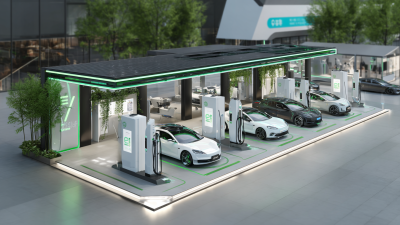

Wall Mounting EV Charge Station
What is an EV Charging Station and How Does It Work?
Electric vehicles (EVs) are rapidly changing the transportation landscape. An EV Charging Station plays a crucial role in this shift. According to Dr. Lisa Chang, an expert in renewable energy, "The success of EV adoption relies heavily on convenient charging infrastructure."
These stations provide the necessary power supply for electric vehicles. They come in various types, including home chargers and public charging points. Users can fill their batteries swiftly, often within hours. This convenience is a significant factor for many drivers considering the switch to electric.
Yet, challenges persist. The availability of charging stations can be limited in certain areas. This gap creates anxiety for potential EV owners. There is also the matter of charging speed versus convenience. Not every station offers fast charging, leading to longer waits for drivers. As we move forward, improving access to EV Charging Stations will be vital for a sustainable future.
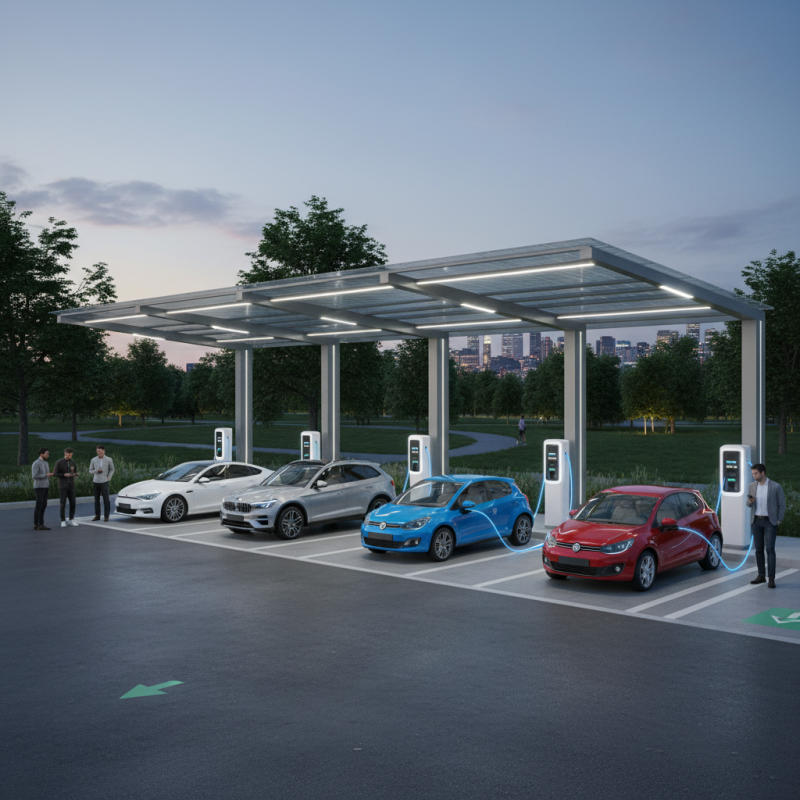
What is an Electric Vehicle (EV) Charging Station?
Electric Vehicle (EV) Charging Stations are essential for the growing number of electric vehicles on the road. These stations provide the necessary power to recharge EV batteries. In 2022, there were over 1.5 million charging points installed globally, indicating a significant increase in EV infrastructure.
Charging stations come in various types. Level 1 chargers use a standard outlet and are slower, typically delivering about 4-5 miles of range per hour. Level 2 chargers are more common and can provide 10-60 miles of range per hour. Fast chargers, often found on highways, can deliver up to 200 miles of range in just 30 minutes. However, availability remains an issue. A report from the International Energy Agency noted that many regions still lack adequate charging infrastructure.
The design and location of charging stations matter. Some areas are oversaturated, while others are left with minimal options. Users may face long wait times or even find stations out of service. This disparity can deter potential EV owners. According to recent data, over 40% of EV owners cited charging inconvenience as a barrier to adoption. As EV numbers grow, the need for a more balanced distribution of charging stations becomes evident.
What is an EV Charging Station and How Does It Work?
| Charging Station Type | Charging Speed | Typical Use Case | Installation Location |
|---|---|---|---|
| Level 1 Charging | 2-5 miles of range per hour | Home charging | Residential garages |
| Level 2 Charging | 10-60 miles of range per hour | Workplace charging, public stations | Parking lots, workplace |
| DC Fast Charging | Up to 80% charge in 30 minutes | Road trips, long-distance travel | Highway rest stops |
| Wireless Charging | Varies | Convenient charging without plugging in | Parking spaces with equipped pads |
Types of EV Charging Stations: Level 1, Level 2, and DC Fast Charging
Electric Vehicle (EV) charging stations come in several types, each serving a specific need.
Level 1 chargers use a standard home outlet. They are slow but convenient. These chargers typically add about 4-5 miles of range per hour. They're great for overnight charging at home.
However, for those needing quicker solutions, Level 2 chargers offer a better option.
Level 2 stations use a 240-volt outlet. They can charge an EV in about 4-8 hours, providing a significant boost.
Many public charging stations use this type. They are often found in shopping centers and work parking lots. These stations can provide 10-60 miles of range in just one hour.
However, not all EV owners have easy access to these stations.
DC Fast Charging is the quickest option available. It can recharge an EV to 80% in 20-40 minutes.
These stations use direct current instead of alternating current. They are typically located along highways for long-distance travel. However, they are not as widespread as Level 2 chargers.
The technology can be complex and sometimes unreliable. Finding a working DC Fast Charging station can be a challenge.
How EV Charging Stations Work: The Charging Process Explained
Electric Vehicle (EV) charging stations are crucial for sustainable transportation. These stations provide the necessary power to recharge EV batteries efficiently. The charging process is straightforward yet essential to understand.
When a vehicle plugs into a charging station, the station communicates with the vehicle’s battery management system. It checks the battery’s state of charge and temperature. This ensures safe and efficient charging. Current reports indicate that fast-charging stations can deliver up to 350 kW of power, enabling an EV to charge from 0 to 80% in about 30 minutes. This speed is a game changer for EV adoption.
However, charging often depends on the station’s capabilities and grid conditions. Sometimes, users encounter delays due to high demand. The actual charging time can vary significantly. Data shows that Level 2 chargers, commonly found in public areas, typically provide 3 to 10 kW of power. This might take several hours for a full charge.
Thus, infrastructure must improve to meet rising EV numbers. As more EVs hit the road, charging accessibility remains a challenge.
Key Components of an EV Charging Station
Electric Vehicle (EV) charging stations are essential for the growth of green transportation. They are designed to recharge the batteries of electric vehicles quickly and efficiently. The key components of these stations facilitate the entire charging process.
At the core, you have the power supply unit. This component converts the electrical energy from the grid to the form needed for charging. Fast charging stations need robust power supplies. Next, there's the charging cable and connector, which links the vehicle to the station. Each EV has unique requirements, and the connector type matters. Maintenance of these components is crucial. A damaged cable can impede the charging process or even pose safety risks.
Another significant part is the control unit. It manages the charging session while ensuring safety measures are in place. This unit can include software to monitor usage and restore power. However, the technology isn’t perfect. Sometimes software glitches can disrupt the service. Users might experience downtime due to equipment failure. Reliability is key, but improving these systems remains a work in progress.
EV Charging Station Usage by Type in 2023
Benefits of Using EV Charging Stations for Electric Vehicle Owners
Electric vehicle (EV) charging stations are essential for EV owners. They provide the energy needed to power electric vehicles. According to a report from the International Energy Agency, the global number of charging stations reached over 1.3 million in 2020. This growth emphasizes their increasing importance in the automotive landscape.
Using EV charging stations offers many benefits. They contribute to lower operating costs for electric vehicle owners. Charging at home usually costs less than gasoline. Studies estimate that electric vehicle owners save an average of $800 on fuel annually. Charging at public stations can be convenient, especially during long trips. However, not all charging stations are created equal; some may be slow, and locations can sometimes be limited.
There's an increasing focus on sustainability as well. EV charging stations help reduce greenhouse gas emissions. The U.S. Department of Energy reported that replacing one gasoline car with an EV can impact the environment positively. However, access to charging infrastructure remains a challenge in many areas. As more urban areas grow, the demand for charging stations will increase. We need to reflect on how to meet this demand while ensuring equitable access for all EV owners.
Related Posts
-
Exploring the Future of EV Recharge Stations at the 138th Canton Fair 2025 in China
-
How to Select the Best Ev Recharge Stations for Your Business Needs
-
How to Find EV Recharge Stations Near You for Convenient Electric Vehicle Charging
-
How to Choose the Right Ev Charger Station for Your Electric Vehicle
-
How to Install an AC Wall EV Charge Station Efficiently?
-
Top Benefits of EV Fast Charging Stations for Electric Vehicle Owners