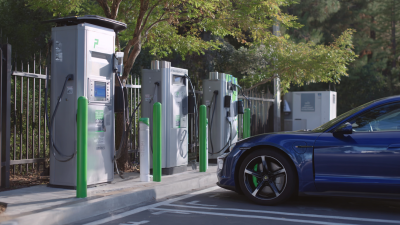
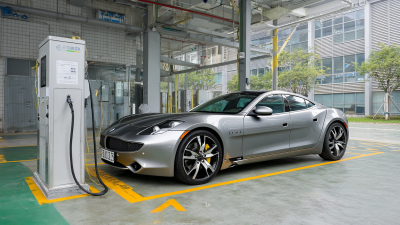
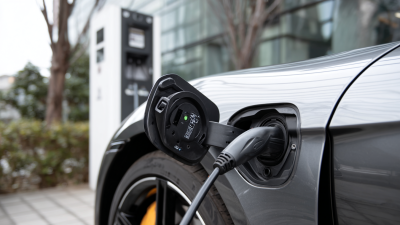
What is an Ev Charging Station and How Does It Work for Electric Vehicles
With the rapid adoption of electric vehicles (EVs), understanding the infrastructure that supports them is crucial. An EV charging station serves as a vital component in this ecosystem, enabling the smooth transition from traditional vehicles to electric alternatives. According to the International Energy Agency (IEA), the number of public charging points worldwide exceeded 1.3 million in 2020, reflecting a significant increase in EV infrastructure. This trend is expected to continue, with projections indicating that this number could reach over 10 million by 2030, demonstrating the growing importance of EV charging stations in facilitating sustainable transportation.
Dr. Emily Wang, a leading expert in electric mobility, emphasizes the significance of reliable EV charging networks, stating, "The success of electric vehicles hinges on the availability and accessibility of charging stations. Without a robust infrastructure, consumers may hesitate to make the switch." This highlights the need for continued investment and development of EV charging stations to promote greater adoption of electric vehicles. As the demand for cleaner transportation solutions rises, understanding how EV charging stations operate becomes essential for consumers and industry stakeholders alike. The following sections will explore the various types of EV charging stations, their functionalities, and their role in shaping the future of mobility.
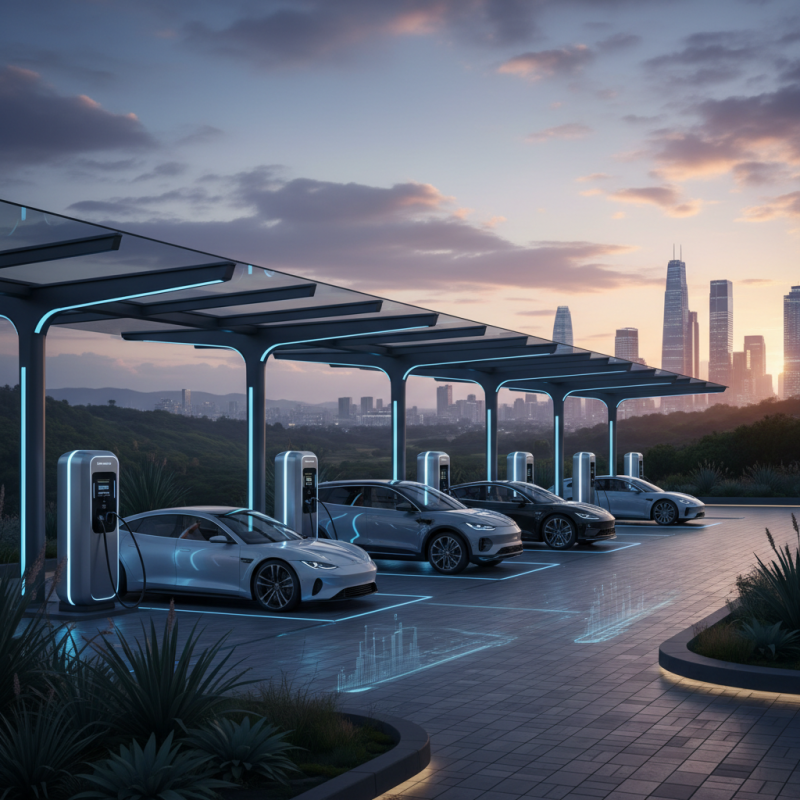
What is an Electric Vehicle (EV) Charging Station?
Electric Vehicle (EV) charging stations are critical infrastructure designed to provide power to electric vehicles, enabling the transition towards sustainable transportation. These stations come in various types, including Level 1, Level 2, and DC fast chargers, accommodating different charging speeds and vehicle capabilities. According to the International Energy Agency (IEA), the number of public charging points worldwide has surged to over 1.5 million as of 2022, reflecting a growing commitment to electrifying the automotive sector.
Charging stations operate by delivering electricity from the grid to an EV’s battery. When a vehicle is plugged in, the charging station communicates with the car's onboard computer to determine the appropriate current and voltage levels. Level 1 chargers, typically found in homes, provide 120 volts and are slower, often taking several hours to fully charge a vehicle. In contrast, DC fast chargers can supply up to 800 volts, significantly reducing charging time to around 30 minutes for an 80% charge.
Tip: When choosing a charging station, consider the power level that suits your daily driving needs. If you frequently take long trips, investing in access to DC fast chargers can greatly enhance convenience.
Moreover, the availability of charging infrastructure is crucial for EV adoption. Reports indicate that an increase in accessible charging stations can lead to a corresponding rise in electric vehicle sales. As cities implement more charging solutions, drivers will gain confidence in the feasibility of an electric lifestyle.
Tip: Always check for real-time availability of charging stations through mobile apps, allowing you to plan your trips more efficiently and avoid waiting times.
Types of EV Charging Stations: Level 1, Level 2, and DC Fast Charging
Electric Vehicle (EV) charging stations come in various types, each
designed to meet different charging needs and circumstances. The most common types are
Level 1,
Level 2, and
DC Fast Charging.
Level 1 charging, typically using a standard 120-volt outlet, is the slowest option,
providing around 2 to 5 miles of range per hour of charging. This is ideal for overnight
home charging but may not be suitable for those with higher daily driving ranges.
Level 2 chargers operate on a 240-volt outlet, delivering a faster charging rate
of around 10 to 60 miles of range per hour. These stations are often found in
public places, workplaces, and homes. They strike a good balance between convenience and
speed for daily EV users. On the other hand,
DC Fast Charging stations are designed for rapid charging, providing up to
200 miles of range in approximately 30 minutes.
These are predominantly found along highways, making them perfect for long-distance travel.
Tips: When selecting a charging station, consider your daily mileage and
charging habits. For urban dwellers, Level 2 chargers are likely sufficient,
while those frequently traveling long distances should look for DC Fast Charging options.
Always check the compatibility of your EV with the charging station types to optimize your charging experience.
How EV Charging Stations Work: The Charging Process Explained
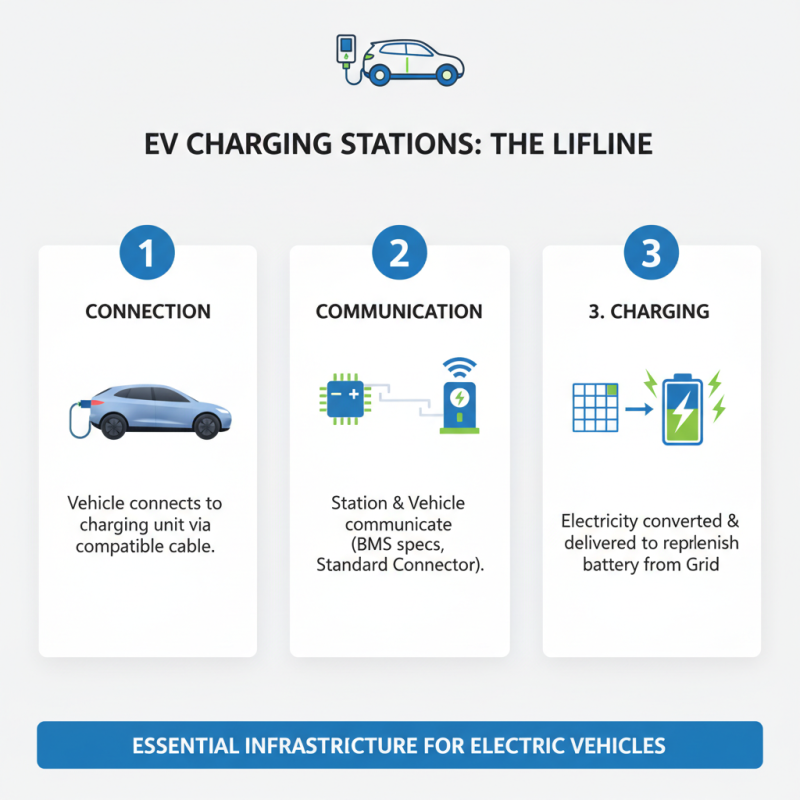
EV charging stations are essential infrastructure for electric vehicles, serving as the lifeline that supplies them with electrical energy. The charging process at these stations typically begins when the vehicle is connected to the charging unit via a compatible cable. Most charging stations use a standard connector and communicate with the vehicle to determine its battery management system's specifications. Once connected, the station initiates the charging process, converting electricity from the grid into a form that can efficiently replenish the vehicle's battery.
The charging process can vary depending on the type of station: Level 1, Level 2, or DC fast charging. Level 1 chargers, which use a standard household outlet, are the slowest, often taking several hours for a full charge. Level 2 chargers offer a quicker solution, suitable for home and public installations. They can typically charge a vehicle in a few hours. DC fast chargers, on the other hand, provide rapid charging suitable for longer trips, capable of replenishing significant battery capacity in under an hour.
Tips for users include checking the charging station's compatibility with your vehicle to avoid connection issues. Additionally, consider planning your charging stops during longer journeys to ensure you have access to fast chargers along your route. Lastly, keeping your vehicle's battery level above 20% will enhance battery health and prolong its lifespan, ensuring you get the most out of your electric vehicle experience.
Current EV Market Statistics: Growth and Demand for Charging Infrastructure
The electric vehicle (EV) market has seen exponential growth in recent years, driven by increasing consumer demand for sustainable transportation solutions. According to recent market analysis, the global EV market is projected to expand at a compound annual growth rate (CAGR) of over 22% from 2023 to 2030. This surge in demand highlights the necessity for a robust charging infrastructure to support the growing fleet of electric vehicles. In fact, industry reports suggest that by 2025, the number of public EV charging stations will need to triple to adequately meet the needs of a projected 26 million EVs on the road.
As the market grows, the demand for EV charging stations is becoming crucial. Currently, the United States alone has over 100,000 public charging outlets; however, experts estimate that to maintain a sustainable ecosystem for electric vehicles, the nation will require around 400,000 stations by 2030. This indicates not only the need for more infrastructure but also a shift in focus toward developing fast charging technology, which is essential for reducing charging times and enhancing user convenience. The increased availability of charging stations is likely to ease range anxiety among potential EV buyers, significantly contributing to future market growth.
Future Trends in EV Charging: Innovations and Technological Advancements
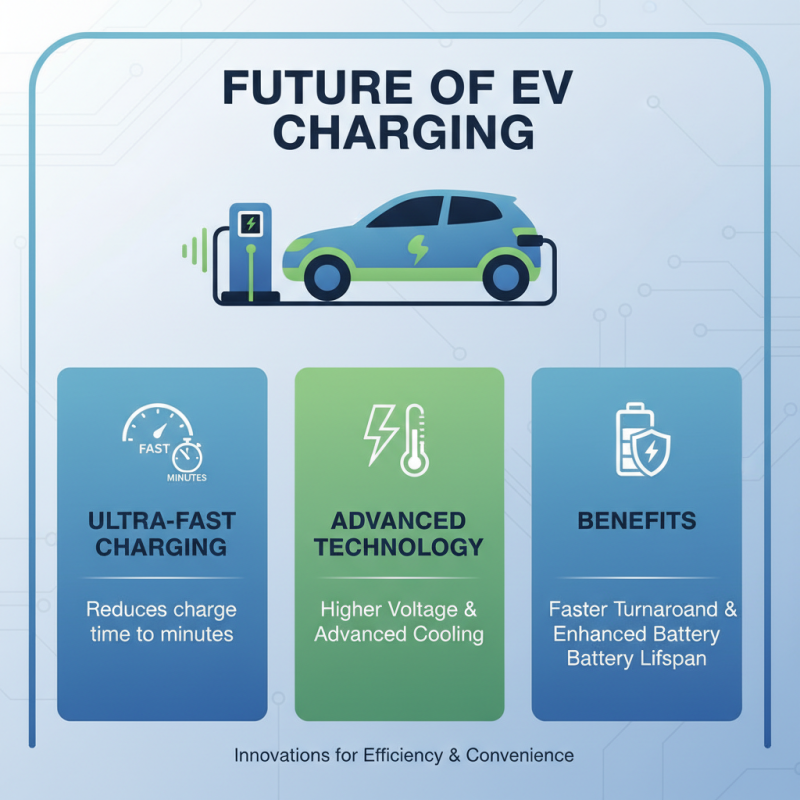
The future of electric vehicle (EV) charging is set to be transformative, driven by innovations and technological advancements that aim to enhance efficiency and convenience. One significant trend is the development of ultra-fast charging stations, which significantly reduce the time needed to recharge an EV, allowing drivers to get back on the road in a matter of minutes rather than hours. These stations utilize higher voltages and advanced cooling technologies to manage the heat generated during the charging process, enabling rapid energy transfer without compromising the battery's lifespan.
Additionally, the integration of smart technology into charging infrastructure is gaining momentum. Smart charging systems can optimize energy use based on real-time data, such as electricity demand and grid conditions. They also allow for mobile app management, enabling users to locate nearby charging stations, monitor their charging status, and even schedule charging during off-peak hours to save on costs. Furthermore, vehicle-to-grid technology is emerging, which allows EVs to not only draw power from the grid but also return energy when demand is high, creating a more resilient and sustainable energy system. These innovations indicate a promising future for EV charging, aligning with the broader shift towards renewable energy and smart mobility solutions.