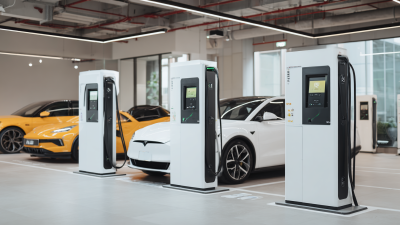

Wall Mounting EV Charge Station
How to Find EV Recharge Stations Near You for Convenient Electric Vehicle Charging
Finding convenient EV recharge stations is essential for anyone owning or considering an electric vehicle (EV). As the adoption of electric vehicles continues to grow, so does the network of charging infrastructure. However, understanding how to locate these EV recharge stations can enhance your driving experience, allowing for seamless journeys without the fear of running out of battery. By leveraging various tools and resources available today, drivers can easily plan their trips around charging locations, ensuring they can recharge their vehicles as needed.
In this guide, we will explore different methods to find EV recharge stations in your area. Whether you are embarking on a long road trip or simply need to recharge during your daily commute, it is crucial to know where to locate charging stations quickly. We will cover valuable resources such as mobile apps, online maps, and community networks that provide up-to-date information on charging station availability and types. With a little planning and the right tools, you can travel confidently, knowing that EV recharge stations are within reach whenever you need them.
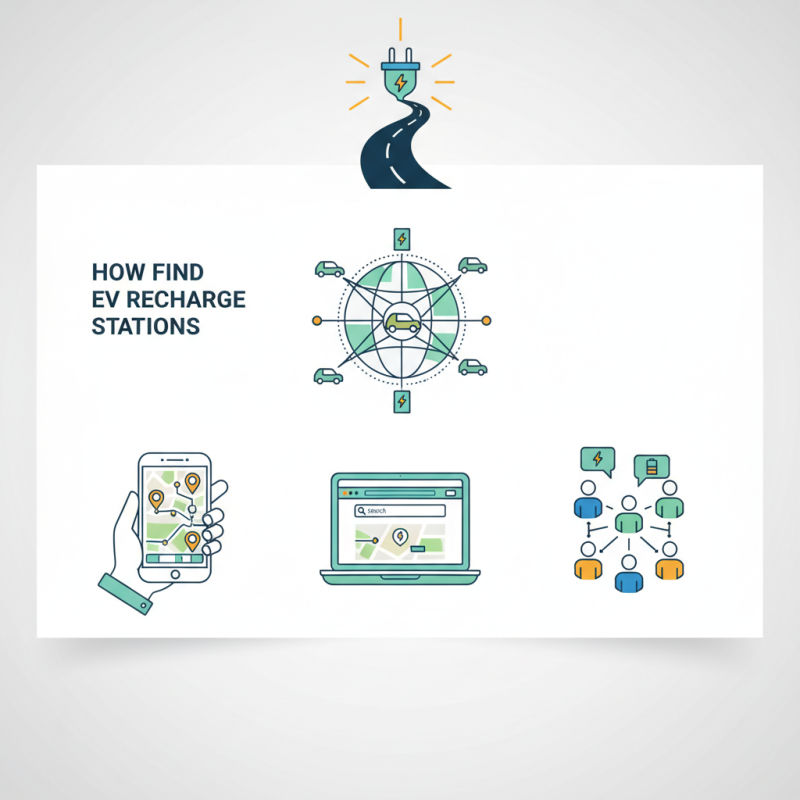
Understanding the Importance of EV Recharge Stations for Electric Vehicle Owners
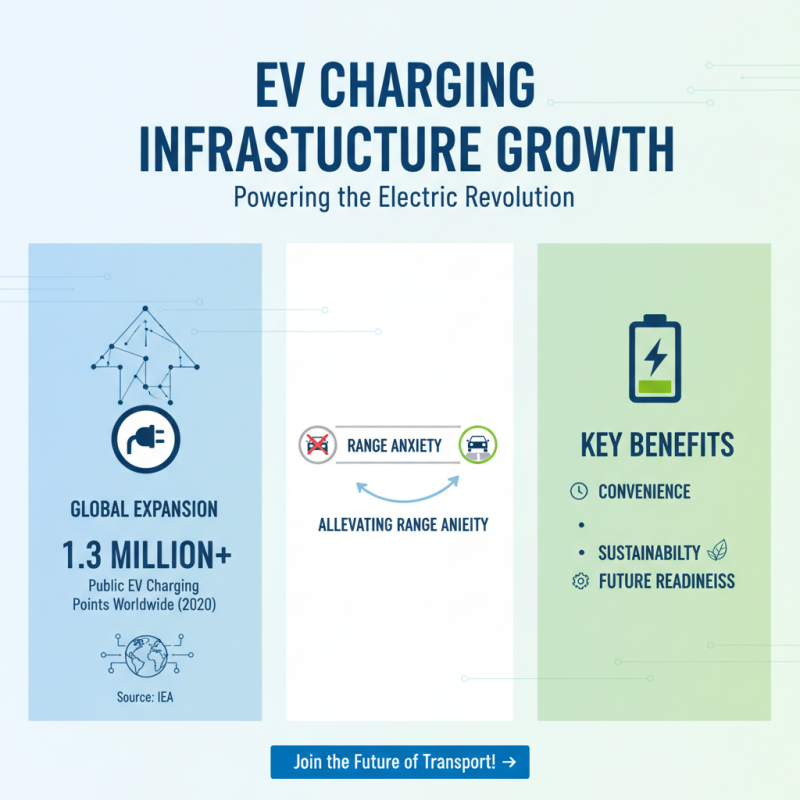
As electric vehicles (EVs) become increasingly popular, the availability and accessibility of EV recharge stations are critical for their owners. According to a report published by the International Energy Agency (IEA), the number of publicly accessible EV charging points worldwide exceeded 1.3 million in 2020, showcasing a significant growth trend in charging infrastructure. This robust network is essential for alleviating range anxiety, a common concern among potential EV owners, and significantly enhances the practicality of switching to electric vehicles.
The importance of EV recharge stations extends beyond mere convenience; they play a crucial role in the broader transition to sustainable transportation. A study from the U.S. Department of Energy reveals that easy access to charging stations can bolster EV adoption rates by as much as 10%. This is particularly relevant as states and countries push towards ambitious zero-emission vehicle targets. Moreover, with a growing emphasis on renewable energy sources, many charging stations are equipped to leverage clean electricity, further reducing the carbon footprint of EV usage. Enhanced infrastructure not only supports current EV owners but also encourages future consumers to make the switch, aiding global efforts to combat climate change.
Identifying Different Types of EV Charging Stations Available Nearby
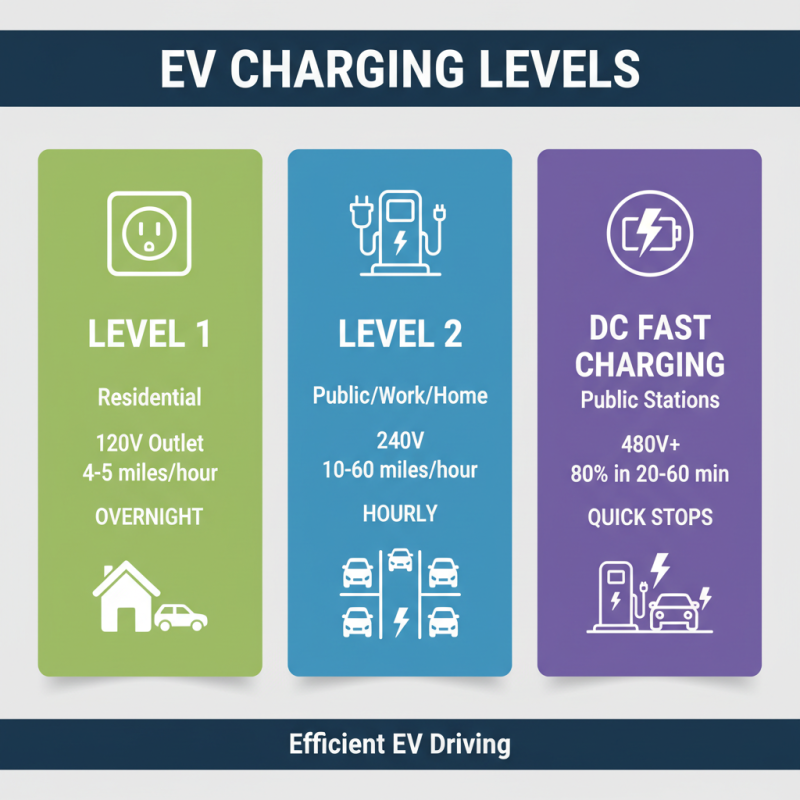
As the adoption of electric vehicles (EVs) continues to rise, understanding the different types of EV charging stations available in your area is crucial for maintaining an efficient driving experience. There are primarily three different types of charging stations you’ll encounter: Level 1, Level 2, and DC Fast Charging. Level 1 chargers use a standard 120-volt outlet and are typically found in residential settings. While they are convenient for overnight charging, they are the slowest option, providing about 4-5 miles of range per hour of charging. Level 2 chargers, on the other hand, operate on a 240-volt system and are commonly available at public charging stations, workplaces, and some residential setups. These chargers can deliver about 10-60 miles of range per hour, making them a more practical choice for those who need a quicker solution.
DC Fast Charging stations provide the most rapid charging option, delivering an average of 80% charge in just 30 minutes. According to the U.S. Department of Energy, the number of publicly available fast chargers has more than tripled over the past five years, indicating a growing infrastructure that supports long-distance EV travel. This increase in charging stations is essential as reports show that range anxiety remains one of the biggest barriers to EV adoption.
**Tips:** Before you travel, utilize mobile apps or websites dedicated to mapping EV charging stations. Look for stations that are compatible with your vehicle to avoid any inconvenience. Additionally, consider charging during off-peak hours to save on electricity costs and ensure you have ample range for your journey.
Utilizing Mobile Apps and Websites to Locate EV Charging Stations
In today's world, electric vehicle (EV) owners have the distinct advantage of using mobile apps and websites to locate charging stations effortlessly. These digital tools have transformed the driving experience, allowing users to quickly find nearby charging points based on their location. Popular mobile apps not only display charging station locations but also provide real-time availability updates, helping drivers plan their journeys without the worry of running out of battery.
Furthermore, many apps are equipped with advanced features, such as route planning and in-app navigation, ensuring that drivers can easily see stations along their planned routes. Users can filter charging stations by type—whether they need fast chargers or level 2 chargers—allowing for a more tailored and efficient charging experience. By leveraging GPS technology, these tools facilitate a seamless transition to electric driving, making it simpler than ever to integrate EVs into daily life.
Electric Vehicle Charging Station Locations
This bar chart displays the number of EV charging stations in various locations over the past year. It highlights the increasing adoption of electric vehicles and the corresponding growth in charging infrastructure.
Assessing the Charging Speed and Availability of Nearby EV Stations
To find the nearest electric vehicle (EV) charging stations, it's essential to evaluate both the charging speed and availability. According to the International Energy Agency (IEA), the number of public charging stations globally has expanded significantly, reaching over 2 million in 2023, with fast chargers accounting for about 25% of the total. Fast charging stations typically provide power levels of 100 kW or more, allowing for an 80% charge in as little as 30 minutes, which is crucial for urban drivers who need quick top-ups during busy days.
Assessing the availability of these stations is equally important. Research from the U.S. Department of Energy indicates that locations with a higher density of fast chargers are often concentrated in urban and suburban areas, making it essential for EV owners to plan their routes effectively. Apps and online platforms are instrumental in helping users find these stations, providing real-time status updates and estimated wait times. Furthermore, understanding the charging behavior of typical EV drivers can lead to better site placements of these chargers; a study noted that most drivers are willing to walk up to 10 minutes to access a charging point, suggesting that strategic placements can enhance user experience and reduce range anxiety.
Planning Efficient Routes with Integrated Maps for EV Charging Convenience
Planning efficient routes is essential for electric vehicle (EV) owners seeking convenience during their travels. Integrated maps play a crucial role in identifying available EV charging stations along the chosen route. By using these maps, drivers can easily see the location of charging points, their operational status, and even the types of chargers available. This information helps in making informed decisions while planning trips, ensuring that drivers won’t find themselves stranded without a power source.
Moreover, integrating real-time data into navigation systems enhances the charging experience significantly. It allows EV owners to receive updates on charger availability, estimated wait times, and the quickest routes to the nearest stations. Some navigation tools even provide routing options based on remaining battery life, making it easier to prioritize charging stops while minimizing delays. This seamless integration of maps and charging stations not only streamlines the planning process but also contributes to a stress-free journey, allowing electric vehicle drivers to travel with confidence and convenience.
How to Find EV Recharge Stations Near You for Convenient Electric Vehicle Charging
| Location | Type of Charger | Charging Speed | Available Connectors | Operating Hours |
|---|---|---|---|---|
| 123 Main St, City A | Fast Charger | 50 kW | Type 2, CCS | 24/7 |
| 456 Elm St, City B | Level 2 Charger | 7 kW | Type 1, Type 2 | 8 AM - 8 PM |
| 789 Oak St, City C | Ultra-Fast Charger | 150 kW | CCS, CHAdeMO | 24/7 |
| 321 Pine St, City D | Level 2 Charger | 11 kW | Type 2 | 6 AM - 10 PM |
| 654 Cedar St, City E | Fast Charger | 22 kW | Type 2, CC | 24/7 |
Related Posts
-
How to Select the Best Ev Recharge Stations for Your Business Needs
-
Exploring the Future of EV Recharge Stations at the 138th Canton Fair 2025 in China
-
How to Choose the Right Ev Charger Station for Your Electric Vehicle
-
2025 Trends Revealed 7 Key Innovations in Best Ev Charger Technology
-
What is an Ev Charging Station and How Does It Work for Electric Vehicles
-
Innovative Trends in Home Ev Charger Technology at the 138th China Import and Export Fair 2025