How to Find Electric Car Recharge Stations Near You?
As electric vehicles (EVs) gain popularity, the need for Electric Car Recharge Stations becomes crucial. According to a report by the International Energy Agency, the number of EVs on the road is expected to reach 145 million by 2030. This rapid growth raises questions about charging infrastructure availability.
Many drivers still face challenges in locating nearby stations. While applications and maps can help, they often lack real-time data. Reports indicate that inadequate charging infrastructure can deter potential EV buyers. The concern about finding reliable Electric Car Recharge Stations affects consumer confidence and market adoption.
Understanding where to charge is vital for EV owners. A comprehensive network of recharge stations can alleviate range anxiety. Yet, not all areas have equal access to charging solutions. As we explore how to find Electric Car Recharge Stations near you, it's essential to consider both technology and location in this evolving landscape.
Understanding the Importance of Electric Car Recharge Stations
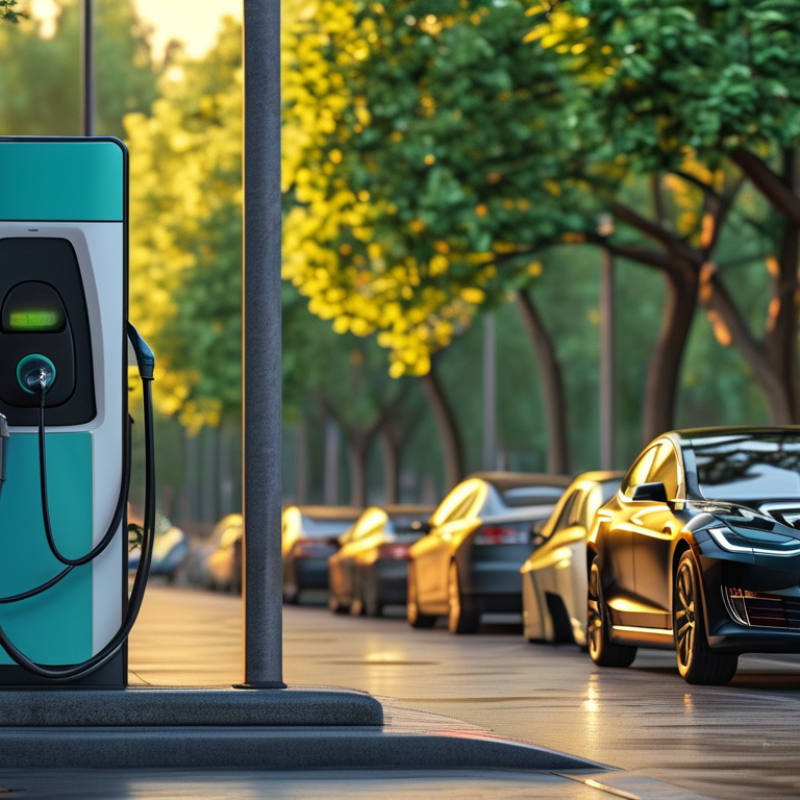
Electric car recharge stations play a crucial role in promoting sustainable transportation. They provide essential support for electric vehicle (EV) owners, ensuring that their cars are charged and ready for use. With the growing popularity of EVs, understanding the significance of these recharge stations becomes increasingly important.
Finding recharge stations near you enhances convenience. It minimizes range anxiety, allowing drivers to travel further without worrying about battery depletion. Additionally, it helps reduce dependence on fossil fuels. Many locations now offer fast-charging options. This means you can quickly top off your battery and be on your way.
**Tips:** Utilize mobile apps to locate nearby charging stations. Many of them provide real-time availability. Plan your route ahead of time to incorporate charging stops. When charging, try to park in spaces designated for electric vehicles only to promote responsible usage.
Moreover, consider the types of charging stations available. Some are Level 1 chargers, which are slower, while Level 2 chargers can significantly cut charging time. Being aware of these differences can make your charging experience more efficient. Remember, not every station may be fully operational or available, so having an alternative in mind is never a bad idea.
Identifying Your Current Location for Optimal Search
When seeking electric car recharge stations, knowing your location is crucial. GPS technology can pinpoint your current position with impressive accuracy. According to the U.S. Department of Energy, there are more than 100,000 public charging stations in the United States. This overwhelming number can feel daunting. It's essential to narrow down your search effectively.
Using mapping applications is a straightforward way to identify nearby charging stations. Many apps include user reviews and real-time availability data. A recent study from the Electric Vehicle Infrastructure Projection Tool suggests that 20% of electric vehicle owners experience charging anxiety. This emphasizes the importance of finding nearby stations before your battery runs low.
Being aware of your surroundings can improve your charging experience significantly. Look for charging locations at shopping centers or workplaces, as they often provide convenient access. However, not all stations are created equal. Some may offer fast charging, while others take longer. Checking station details before heading out can save you time. Addressing these factors will lead to better charging experiences and ultimately enhance your electric vehicle journey.
Using Mobile Apps to Locate Nearby Charging Stations
Finding electric car recharge stations can be a challenge, especially in unfamiliar areas. Using mobile apps simplifies this task significantly. Many apps allow users to search for nearby charging stations with ease. These applications often feature real-time data. Users can see the availability of charging spots, which helps avoid long waits.
Most of these apps provide helpful filters. You may search by charging speed, type of plug, or even user ratings. Some apps offer detailed maps. They highlight stations along your route, making charging stops convenient. However, some users find that not all charging locations are listed. There can be inconsistencies in the data. This sometimes leads to disappointment.
It is essential to read user reviews. Other drivers’ experiences offer insights into station reliability. These reviews can guide you to the best options. Some apps also allow users to report issues. This feedback loop helps keep information current. Still, users must remain cautious, as not all reviews may be accurate. Relying solely on one app may not be the best strategy. Exploring multiple options can lead to better charging experiences.
Electric Car Charging Stations in Your Area
This chart displays the number of charging points available at various electric car charging stations in your area. It can help you determine which station has the most availability for your electric vehicle needs.
Exploring Online Maps and Websites for Charging Infrastructure
Finding electric car recharge stations can be straightforward with the right online tools. Various maps and websites offer detailed information about charging infrastructure. These digital resources show real-time availability, location, and even power supply details. Using these platforms, you can effortlessly locate nearby charging stations, ensuring your travels are smooth.
However, the reliability of information can occasionally be questionable. Not all stations may be updated frequently. Some locations might show availability but could be out of service when you arrive. It’s vital to double-check details through multiple sources. User reviews on these platforms can reveal first-hand experiences.
While exploring online maps, pay attention to user-generated content. This often provides insights into station accessibility and wait times. Remember, not all maps emphasize the same aspects. Some might focus on speed, while others prioritize convenience. Finding the right map for your needs could involve some trial and error. This process may lead to unexpected discoveries and better charging options.
Evaluating Charging Station Types and Availability Options
Evaluating the types of electric car charging stations is crucial for any EV owner. Public charging stations typically fall into three categories: Level 1, Level 2, and DC fast chargers. Level 1 chargers use a standard outlet, making them the slowest option. They are best for overnight charging at home. Level 2 chargers provide faster charging and are common at public locations like shopping centers. They can typically charge a vehicle in a few hours.
DC fast chargers are the quickest option available. They can recharge a car’s battery to about 80% in under 30 minutes. However, these stations may not be as plentiful, especially in rural areas. Availability of charging stations can fluctuate based on location and demand. It’s important to check apps or websites that list real-time data about charger status and functionality.
Finding nearby charging options can also be challenging. Some areas may have limited access to charging stations. It can be frustrating to drive around looking for a place to recharge. Additionally, some chargers may be out of service or occupied. Always plan ahead and consider your route. Reflect on your charging habits. A bit of research can save you time and anxiety on the road.