What is a Home EV Charger and How Does It Work?
The transition to electric vehicles (EVs) is not just a trend; it signifies a fundamental shift in how we approach transportation, energy consumption, and environmental sustainability. As more consumers opt for EVs, the need for convenient and efficient charging solutions becomes paramount. This is where the importance of a Home EV Charger comes into play. According to a report by the International Energy Agency (IEA), the number of electric cars on the road is projected to exceed 140 million by 2030, driving a significant demand for accessible charging infrastructure at home.
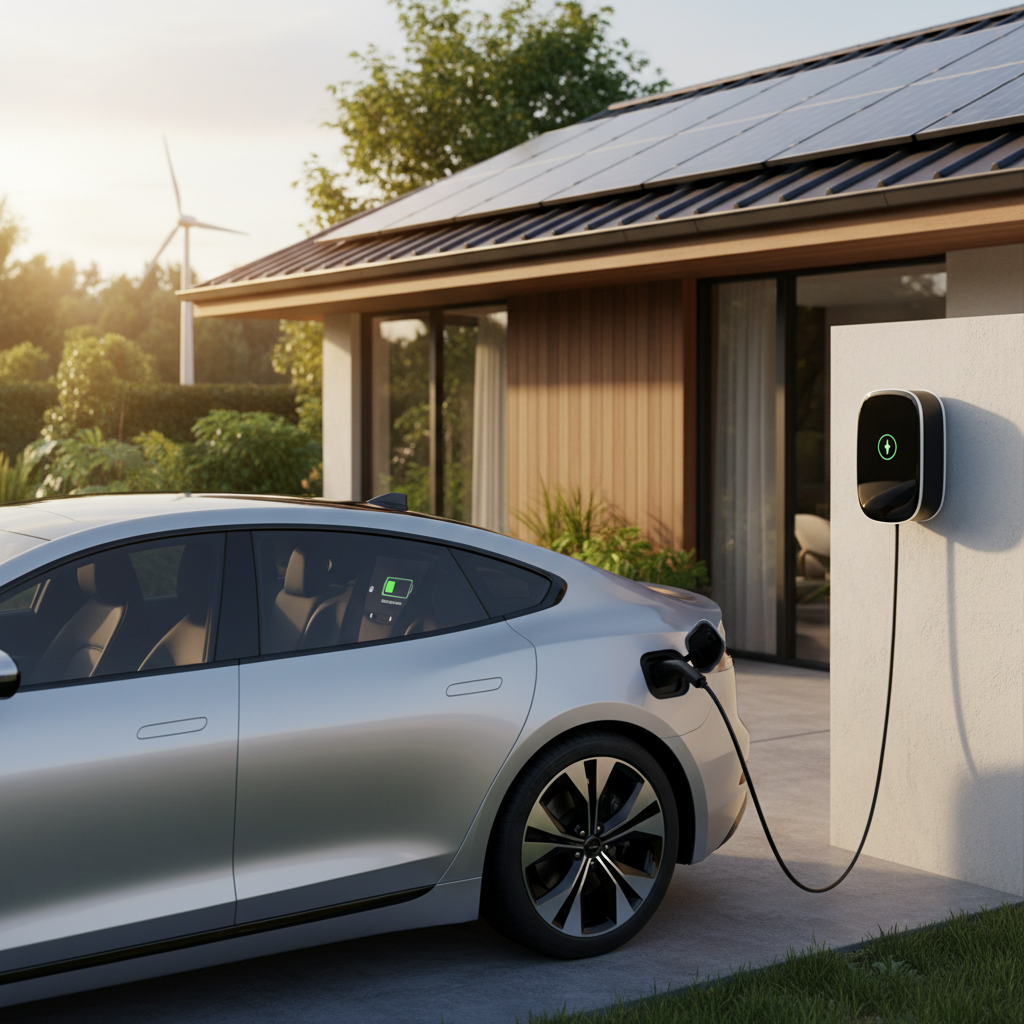
A Home EV Charger enables electric vehicle owners to recharge their cars overnight, providing the convenience of starting each day with a full battery. Unlike public charging stations, which can be limited in availability and vary in charging speed, a Home EV Charger offers a personalized solution tailored to one’s charging needs. Recent studies indicate that over 80% of EV charging occurs at home, emphasizing the critical role of these chargers in facilitating the adoption of electric vehicles and supporting a sustainable energy future.
The functionality of a Home EV Charger extends beyond mere convenience. It empowers users to take advantage of time-of-use electricity rates, often resulting in cost savings on their energy bills. Furthermore, as renewable energy sources like solar power become more integrated into home systems, the ability to charge an electric vehicle from a home’s renewable energy supply enables owners to further reduce their carbon footprint. As the electric vehicle market continues to grow, the Home EV Charger stands as a key element in shaping a sustainable and efficient future for transportation.
Definition and Purpose of a Home EV Charger
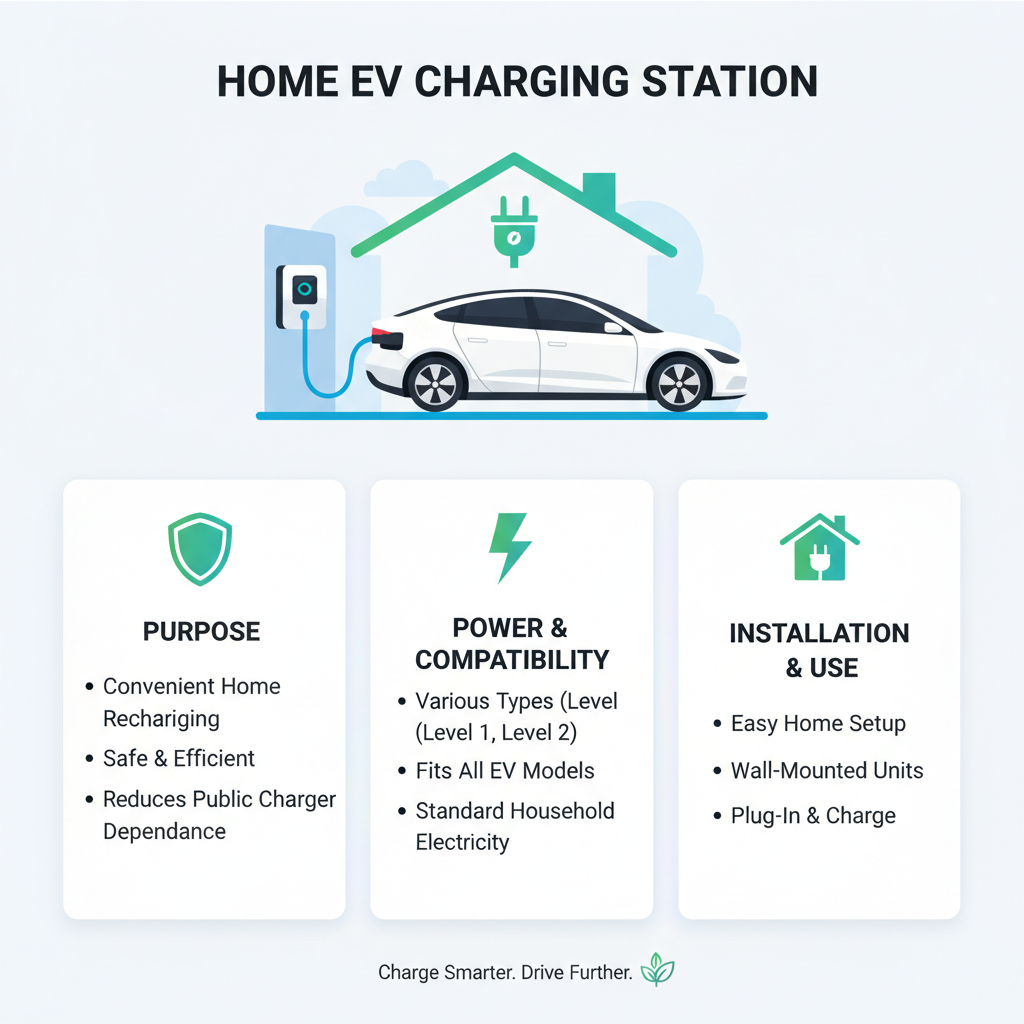
A home EV charger, also known as an electric vehicle charging station, is a device that allows electric car owners to recharge their vehicles conveniently at home. Its primary purpose is to provide a safe, efficient, and accessible means for charging electric vehicles, reducing dependence on public charging stations. Home EV chargers come in various shapes and sizes, accommodating different vehicle types and power needs. They typically operate on standard household electrical systems, making them easy to install and use in residential settings.
The importance of a home EV charger extends beyond mere convenience. It enables electric vehicle owners to take advantage of off-peak electricity rates, which can lead to cost savings over time. Additionally, having a dedicated charging solution at home ensures that drivers are always ready to hit the road with a full battery, eliminating the anxiety often associated with finding charging stations during longer trips. With the increasing adoption of electric vehicles, home EV chargers are becoming an essential component for those looking to embrace sustainable transportation more effectively.
Types of Home EV Chargers: Level 1 vs Level 2
Home EV chargers are essential for electric vehicle owners looking to charge their cars conveniently at home. There are primarily two types of home EV chargers: Level 1 and Level 2. Level 1 chargers typically use a standard household outlet (120 volts) and are the simplest to install. They provide a slower charging rate, usually adding about 4-5 miles of range per hour, making them suitable for overnight charging if you don't drive much daily. However, for those needing faster charging, especially with longer commutes, Level 2 chargers are the better option.
Level 2 chargers operate on a 240-volt system, significantly reducing charging time. They can deliver about 25 miles of range per hour of charging, making them ideal for daily use and ensuring that your vehicle is ready whenever needed. The increasing adoption of electric vehicles creates a growing demand for reliable home charging solutions. As manufacturers expand their offerings, such as various models with smart controls, homeowners can find efficient options that suit their specific needs.
Installation Process for a Home EV Charger
The installation of a home EV charger is a crucial step for
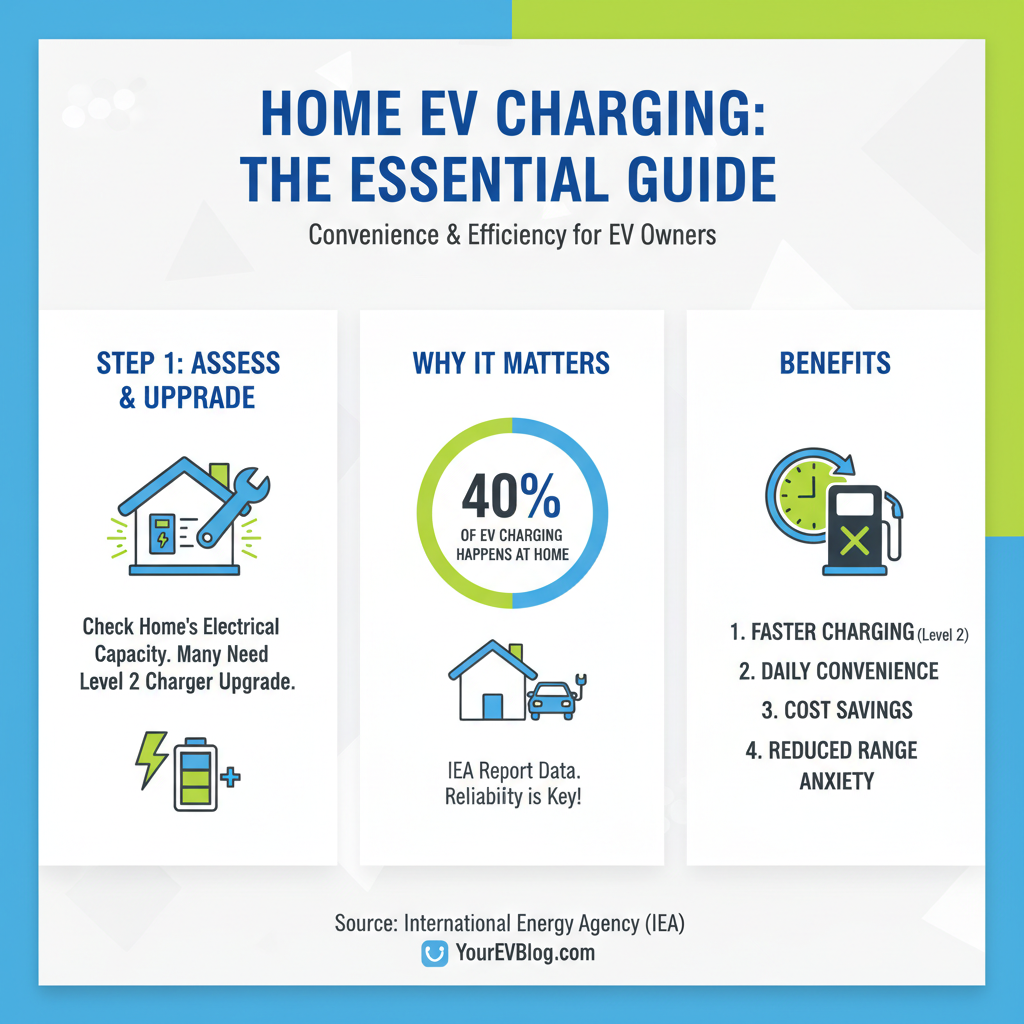
electric vehicleowners to ensure convenience and efficiency in recharging their vehicles. The process typically begins with assessing the electrical capacity of a home,
as many residences will require an upgrade to accommodate a Level 2 charger that offers faster charging speeds.
According to a report by the International Energy Agency (IEA), nearly 40% of EV charging occurs at home,
highlighting the importance of a reliable home charging solution.
After evaluating the electrical load, homeowners should consult with a licensed electrician to identify the best location for the charger,
usually in a garage or on an exterior wall. The installation involves hardwiring the charger to the electrical panel, which may include
replacing or upgrading the circuit breaker depending on the charger's requirements.
The National Renewable Energy Laboratory states that Level 2 chargers can deliver up to 25 miles of range per hour of charging,
making a professional installation vital for maximizing efficiency and ensuring safety during operation. This investment not only enhances
the electric vehicle ownership experience but also contributes to the growth of the electric mobility market.
How Home EV Chargers Work: Charging Mechanisms Explained
Home EV chargers primarily utilize one of two charging mechanisms: Level 1 and Level 2 charging. Level 1 chargers are the most basic form, using a standard 120-volt outlet found in most homes. This method delivers a relatively low power output, meaning it can take a significant amount of time to fully charge an electric vehicle (EV). Typically, it adds about 2-5 miles of range per hour, making it suitable for overnight charging or for those who drive shorter distances daily.
On the other hand, Level 2 chargers operate at 240 volts and can significantly reduce charging time. These units require installation by a qualified electrician, as they involve more complex electrical systems. Level 2 chargers can provide between 10-60 miles of range per hour, depending on the charger and the vehicle's battery capacity. This rapid charging capability makes them ideal for homeowners who wish to charge their EVs more quickly, particularly for daily commutes or long-distance travel. Overall, understanding these mechanisms is crucial for EV owners to optimize their charging routines based on their specific needs and driving habits.
What is a Home EV Charger and How Does It Work? - Charging Mechanisms Explained
| Charging Level |
Voltage (V) |
Current (A) |
Charging Speed (Miles per Hour) |
Typical Usage |
| Level 1 |
120 |
12 |
3 - 5 |
Home charging for overnight or extended periods |
| Level 2 |
240 |
30 |
10 - 25 |
Faster home charging or public charging stations |
| Level 3 (DC Fast Charging) |
480 |
≥ 100 |
60 - 100 |
Commercial charging stations for quick refueling |
Benefits of Using a Home EV Charger for Electric Vehicles
A home EV charger is an essential device for electric vehicle (EV) owners, allowing for convenient and efficient charging right from the comfort of home. One of the primary benefits of using a home EV charger is the time saved compared to relying on public charging stations. With a home charger, you can plug in your vehicle overnight and wake up to a fully charged battery, tailoring your charging schedule to fit your lifestyle without the need to stop at a charging station during your busy day.
Another significant advantage of home EV chargers is the cost savings. Charging your electric vehicle at home typically costs less than using public charging points, especially when charging during off-peak electricity hours. Additionally, many utility companies offer special rates for EV owners, which can further reduce your overall charging expenses. This aspect not only promotes cost-effectiveness but also encourages more people to adopt electric vehicles as a sustainable form of transportation.
**Tip:** To maximize the benefits of your home EV charger, consider installing a Level 2 charger, which significantly decreases charging time compared to a standard outlet. Also, check with your local utility provider for potential rebates or incentives for installing a home charging station.
This bar chart illustrates the benefits associated with using a home EV charger for electric vehicles. The benefits measured include cost savings, convenience, environmental impact, increased home value, and battery longevity. Each benefit is scored on a scale of 0 to 100, representing its importance to electric vehicle owners.