Why You Need a Home EV Charger for Your Electric Vehicle?
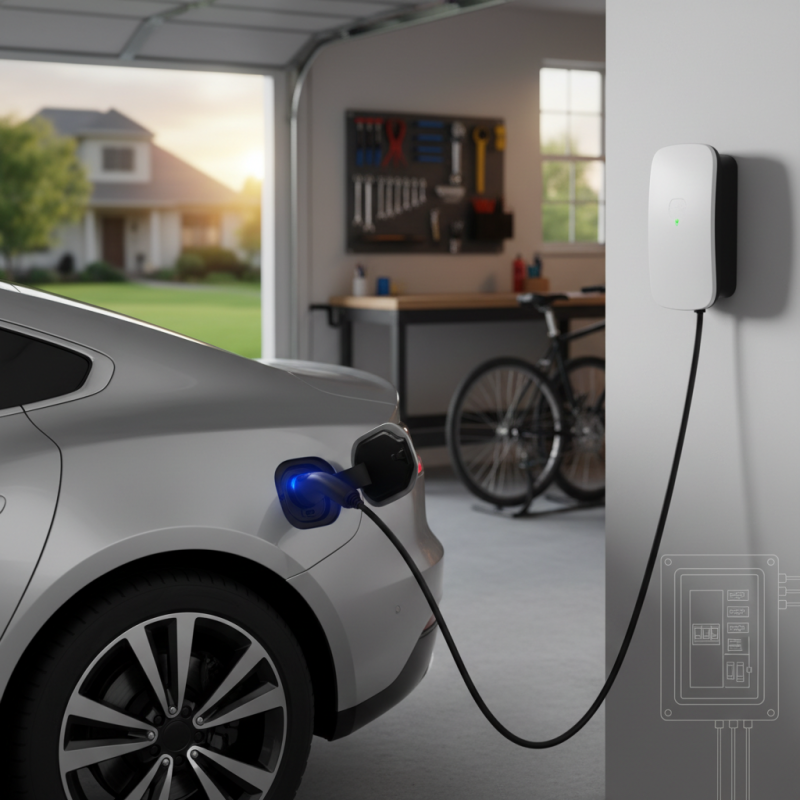
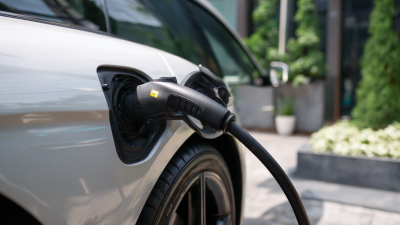
Investing in a Home EV Charger can transform your electric vehicle experience. According to John Stevens, a leading expert in the EV industry, “Charging at home is both convenient and cost-effective.” Imagine returning home after a long day and plugging in your car for a night of charging.
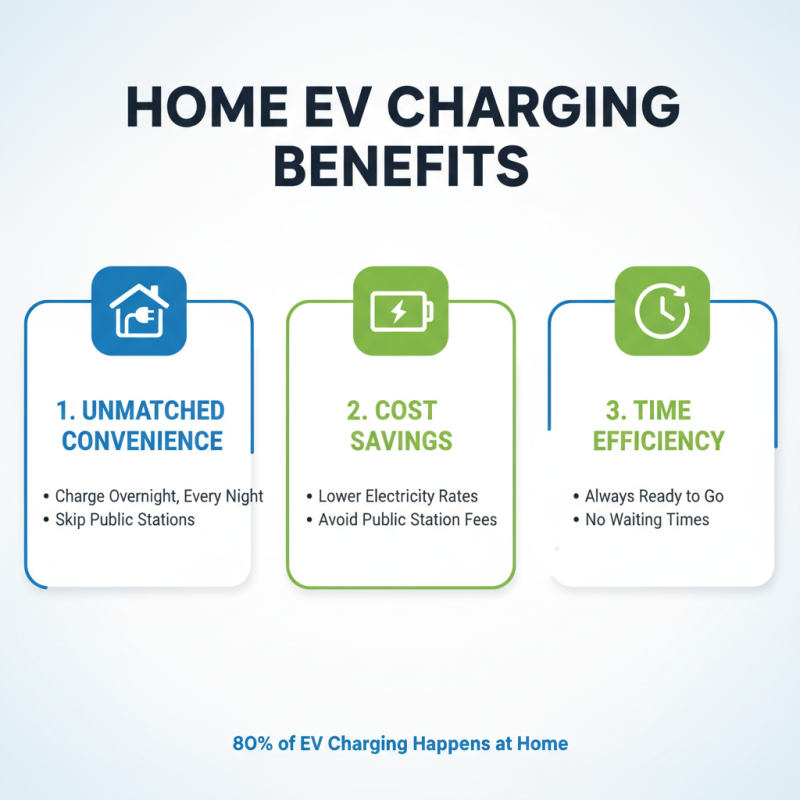
Home EV Chargers offer flexibility. You can charge your vehicle overnight. This means you start each day with a full battery. It eliminates the stress of finding a public charging station. It also saves you money in the long run, as home electricity rates are often lower than public charging fees.
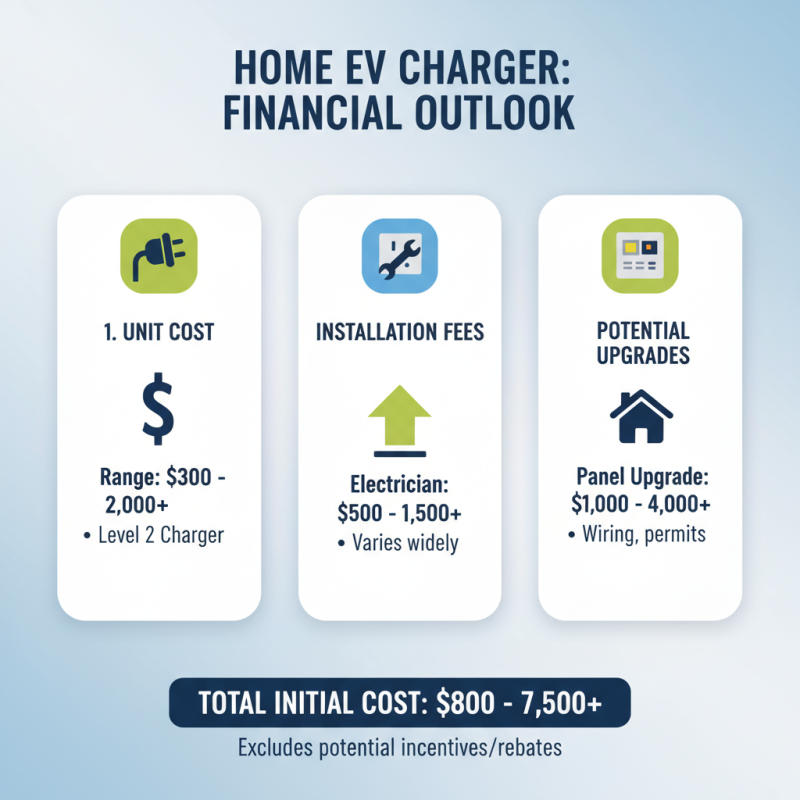
However, not everyone considers the installation process. It can be complex and sometimes costly. Home EV Charger installation may require upgrades to your electrical system. You must weigh the pros and cons. A home charger is convenient but may require commitment.
The Advantages of Installing a Home EV Charger
Installing a home EV charger offers significant advantages for electric vehicle owners. First, it enhances convenience. Reports indicate that about 80% of EV charging happens at home. Having a charger ready at home means no longer needing to rely on public stations. This suits those with busy schedules, allowing seamless top-ups overnight.
Another key benefit is cost-effectiveness. According to a study by the Department of Energy, charging at home can be cheaper than using public chargers. Home charging often translates to lower electricity rates, especially during off-peak hours. However, upfront installation costs can be a hurdle. Homeowners must choose the right location and ensure adequate electrical capacity. It’s essential to assess these factors before making a decision.
Lastly, having a home charger enhances the value of your property. Research shows that homes equipped with EV chargers can have increased market appeal. This reflects a growing trend towards sustainability. Yet, not all neighborhoods support electric vehicles equally. Availability of incentives and local policies can vary, affecting the overall benefit. Each situation requires a nuanced approach to installation and utilization.
Understanding Different Types of Home EV Chargers
When considering a home EV charger, it's crucial to understand the different types available. Level 1 chargers are the most basic. They plug into standard home outlets. This type charges at a slow pace, usually taking over 12 hours for a full charge. It's ideal for those who drive short distances daily. However, for someone with longer commutes, a Level 1 charger may not be enough.
Level 2 chargers are a more efficient option. They require a dedicated circuit and can charge a vehicle in about four to six hours. This type is better for faster turnaround, especially if you have multiple vehicles. But installation can be complicated and costly. Homeowners must consider their electrical system and potential upgrades. It’s a significant investment that could involve unexpected expenses.
Fast chargers are available too, but they are less common for home use. They can charge an EV in about an hour. The infrastructure for these chargers is still developing. Many may find them impractical for residential settings. Each option has its pros and cons, and homeowners should weigh their needs carefully. This reflection helps in deciding what suits their lifestyle best.
Why You Need a Home EV Charger for Your Electric Vehicle? - Understanding Different Types of Home EV Chargers
| Charger Type |
Charging Speed (Miles per Hour) |
Voltage (V) |
Installation Cost |
Recommended For |
| Level 1 Charger |
2-5 miles |
120V |
$300 - $600 |
Casual users, overnight charging |
| Level 2 Charger |
10-60 miles |
240V |
$500 - $1,200 |
Daily drivers, faster charging |
| DC Fast Charger |
60-100 miles |
480V |
$20,000 - $50,000 |
Commercial use, quick turnaround |
Convenience and Time Savings of Home Charging
Home charging for electric vehicles (EVs) is a game changer. It saves time and adds convenience to your daily routine. A report by the Department of Energy states that over 80% of EV owners charge at home. This means they avoid the hassle of public charging stations. Imagine coming home and simply plugging in your car overnight. The next morning, you have a full battery without needing to find a station.
Home charging can also help you save money. Peak hour electricity rates are often high. By charging during off-peak hours, you can significantly reduce costs. According to research, charging at home can save users up to $1,000 a year compared to gas. Not only are you saving time, but you can also keep your bank account happier.
**Tip**: Consider installing a smart charger. This allows you to schedule charging times. You can charge when electricity rates are lower.
While home charging offers great advantages, it may have challenges too. Not every home has a garage or access to a dedicated outlet. Some people live in apartments that don’t allow charging stations. These situations can complicate things. It's essential to evaluate your living situation before making a decision.
**Tip**: If you live in an apartment, check with your landlord about potential charging solutions. You might find a workable option.
Environmental Impact of Using Home Chargers for EVs
Using a home EV charger has significant environmental benefits.
Charging your electric vehicle at home can reduce carbon emissions.
When powered by renewable energy sources, this process becomes even greener.
Home chargers allow you to shift your energy usage to off-peak hours.
This not only saves money but also eases the load on the grid.
Here are some tips to maximize your home charging impact. First, consider installing solar panels.
They can generate electricity during the day, which can be used for charging. Additionally, monitor your energy consumption.
Adjust your habits to use more energy during off-peak times. Late-night charging is often the best choice.
However, home charging is not without challenges. Some people worry about the upfront cost of the charger and installation.
It's essential to weigh these costs against long-term savings.
Not everyone has access to renewable energy. If your energy comes from fossil fuels,
the benefits may be less pronounced. Reflecting on your local energy sources is crucial. Make a plan that works for your situation.