How to Install an AC Wall EV Charge Station Efficiently?
Installing an AC Wall EV Charge Station is a significant step towards sustainable energy solutions. This device allows electric vehicle owners to charge efficiently at home. With more electric cars on the road, convenient charging options are vital.
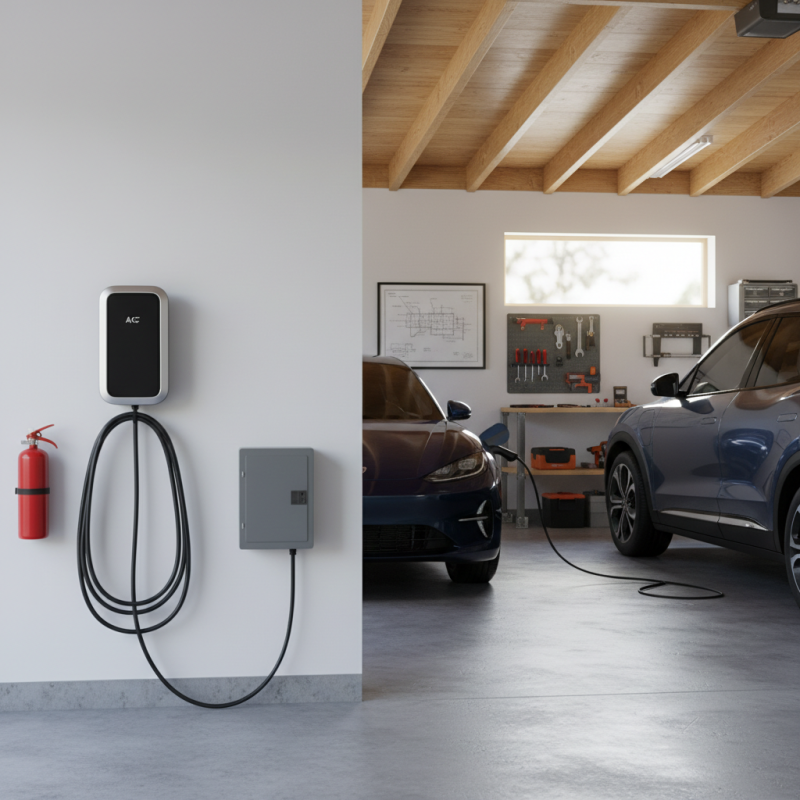
Before you begin the installation, consider your garage layout and available electrical capacity. Ensure you have access to the necessary tools and permits for safe installation. It's crucial to evaluate the optimal location for your AC Wall EV Charge Station. A cluttered space can hinder access and make charging difficult.
Moreover, keep in mind that mistakes can happen during installation. If you rush, you may overlook essential steps. Review all instructions carefully to avoid complications down the line. A well-placed AC Wall EV Charge Station means charging at home will be hassle-free. Think about potential issues beforehand, and reflect on your readiness for this task.
Selecting the Right Location for an AC Wall EV Charge Station
Choosing the right location for an AC wall EV charge station can make a
significant difference in efficiency and accessibility. Start by assessing the available space at home
or near your workplace. Look for an area that has easy access to your electrical panel. Ideally, it should be no
more than 25 feet away. Consider outdoor elements like rain or snow, which
may impact the charging process.
Think about convenience as well. Position the charger near parking spots to ensure users can plug in easily. Take
into account the layout of the space. A clear, unobstructed area reduces the chances of accidents. However, don’t
ignore potential hazards; avoid locations near heavy traffic or blind spots.
The surface of the installation area also matters. A flat, stable surface will support the unit better than uneven
ground. Reflect on sunlight exposure too. A shaded spot may extend the charger’s lifespan. Ultimately, it’s about
balance: prioritize accessibility without compromising safety.
Evaluating Electrical Requirements and Upgrades
When installing an AC wall EV charge station, evaluating electrical requirements is critical. Start by assessing your existing electrical panel. An old panel may not support the additional load required by a charging station. If your panel is outdated, an upgrade might be necessary. This process includes replacing, rewiring, or installing a new panel, which can be disruptive.
Consider the amperage that your EV charger will need. Different chargers have varying requirements. A 240V charger typically requires a dedicated circuit with at least 30 amps. You must also inspect your home’s wiring to ensure it meets local codes and can handle the load without overheating. The journey to compliance can be tricky, especially if the wiring doesn't match current standards.
Outdoor installations bring their own challenges too. Weather-proofing is essential. Check for proper conduit protection against moisture and debris. Failure to do so may lead to damage over time. Be prepared for these potential hurdles, and seek professional help if needed. Sometimes, DIY solutions may lead to more problems. An evaluation of your home’s electrical infrastructure can save you time and money in the long run.
Gathering Necessary Tools and Materials for Installation
Installing an AC wall EV charge station requires careful preparation. Gathering the necessary tools and materials is a key step in ensuring a smooth installation. According to recent industry reports, approximately 80% of successful installations are attributed to thorough preparation.
You’ll need essential tools like a drill, screwdriver, and a level. A circuit tester is important for safety. Measure the area accurately to avoid future issues. It’s common for DIY enthusiasts to overlook clearances or proper wiring, leading to costly fixes later. Keep an organized workspace.
Materials also play a crucial role. Quality cables and connectors can make a difference in performance. Manufacturers often recommend specific types matching your EV unit. Studies suggest that using substandard materials may reduce charging efficiency by up to 25%. Double-check your local regulations for compliance. Ignoring these may result in fines or slowdowns in project completion.
Step-by-Step Installation Process of the AC Wall EV Charge Station
Installing an AC wall EV charge station can be straightforward if you follow a clear process. Start by choosing the right location. The station should be near a power supply and easily accessible. According to a recent industry report, about 80% of charging stations are installed in residential areas. This reflects the rising demand for home charging solutions.
Before installation, gather all necessary tools and materials. You'll need a circuit breaker, a mounting bracket, and electrical wiring. Make sure your electrical panel can handle the charger’s load. Data shows that around 27% of homeowners underestimate electrical requirements. This can lead to poor installation outcomes.
Next, secure the mounting bracket to the wall. Ensure it's level and firmly attached. Connecting the wiring can be tricky. Make sure to follow safety protocols. It's common for DIY installers to overlook grounding issues, which can create hazards. Always double-check connections and consult a qualified electrician if in doubt. Proper installation is crucial for efficiency and safety in providing power to your electric vehicle.
AC Wall EV Charge Station Installation Efficiency
Testing and Troubleshooting After Installation is Complete
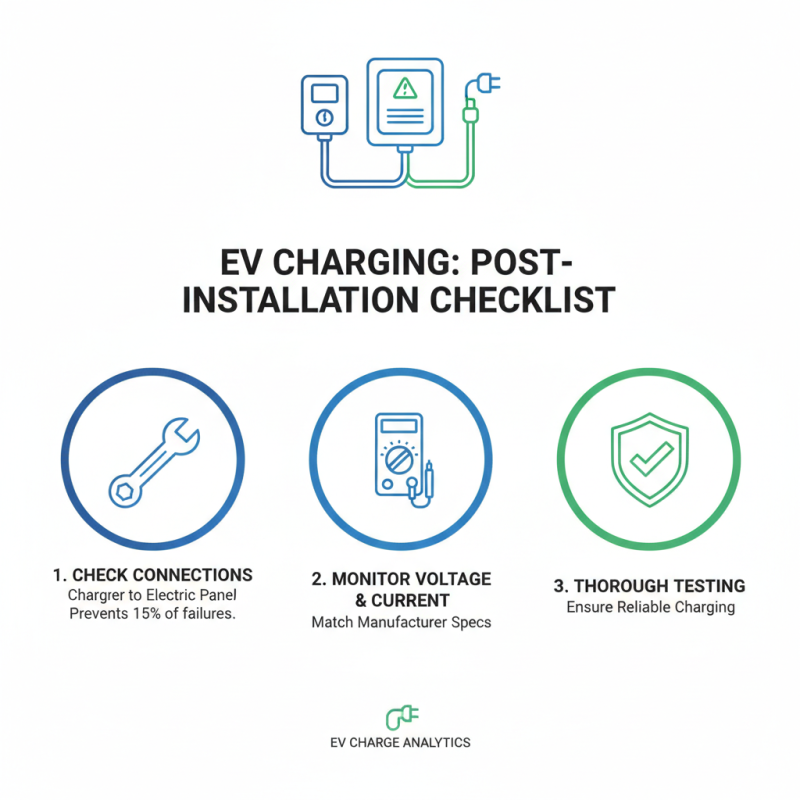
After installing an AC wall EV charge station, thorough testing is crucial. Check the connection between the charger and the electric panel. A poor connection can lead to charging issues. According to industry reports, around 15% of EV charge failures stem from improper installation. Monitor the voltage and current during the initial tests. Ensure the readings match the specifications provided by the manufacturer.
Additionally, examine the charger’s communication system. Many modern stations use smart technology for better user experience. If the app fails to connect or display data, troubleshoot the Wi-Fi connection. Sometimes, network interference can disrupt the communication. Keep in mind that about 8% of user complaints involve connectivity problems.
Visual inspection is also necessary. Look for any visible signs of wear or damage. Corroded wires or loose connections can pose safety risks. Performing a thorough inspection can prevent future malfunctions. If you notice anomalies, revisit the installation process. Reflect on what may have gone wrong. Identifying these issues early can save time and resources later on.