How to Install a Home Wall EV Charge Station Successfully?
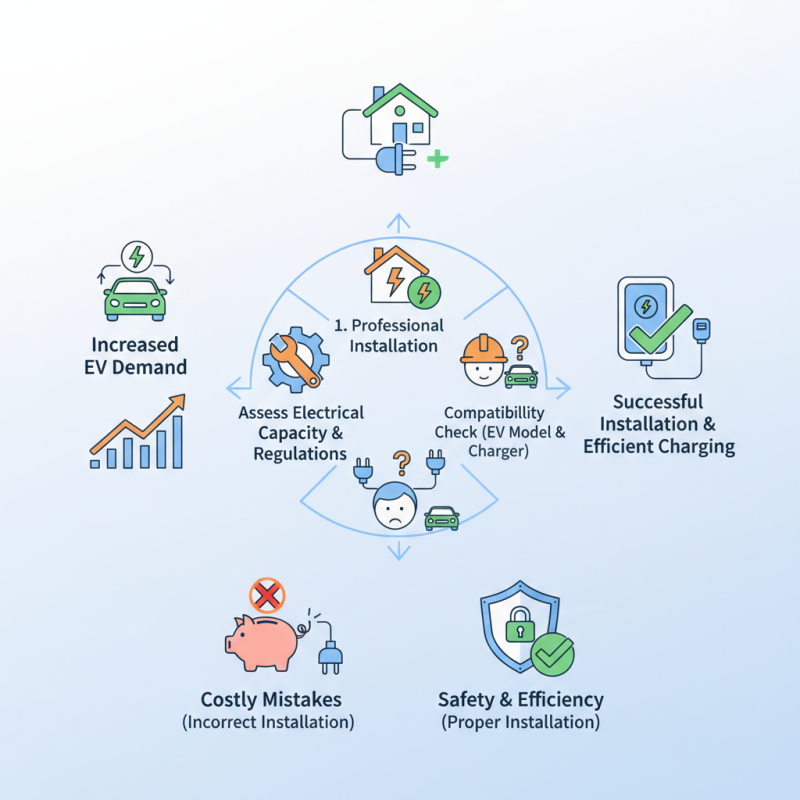
The demand for electric vehicles (EVs) has surged in recent years. According to a report by the International Energy Agency, global EV stock surpassed 10 million vehicles in 2020, indicating a robust transition toward cleaner transportation. This growth has prompted homeowners to consider installing a Home Wall EV Charge Station. However, this process can be daunting. Proper installation is essential for safety and efficiency.
Experts emphasize the importance of professional installation. John Smith, an industry authority, stated, “A well-installed Home Wall EV Charge Station maximizes your EV's performance.” Yet, many homeowners underestimate the complexities involved. Factors like electrical capacity and local regulations can complicate the installation process. Careful planning is vital to avoid future inconveniences.
Many homeowners also face confusion regarding compatible chargers and outlets. Each EV model may require different charging specifications. This inconsistency can lead to mistakes that are costly and time-consuming. Ensuring your Home Wall EV Charge Station meets these specifications is crucial for a seamless transition to electric vehicle ownership.
Choosing the Right EV Charger: Level 1 vs. Level 2 Analysis
When selecting an EV charger for home use, the choice between Level 1 and Level 2 chargers is crucial. Level 1 chargers use a standard 120-volt outlet, providing around 4-5 miles of range per hour. They’re more accessible, requiring no special installation. However, this slow charging rate can be a disadvantage for daily use. According to the U.S. Department of Energy, a typical EV owner drives about 37 miles daily. With a Level 1 charger, it might take upwards of 10 hours to fully recharge.
In contrast, Level 2 chargers require a 240-volt outlet, delivering 25 miles of range per hour. This speed is beneficial for households with multiple EVs or high daily mileage. A report from the Electric Power Research Institute shows that Level 2 chargers are gaining popularity. They can fully charge a vehicle in about 4-6 hours. However, installation costs and the need for electrical upgrades should not be overlooked. In some cases, upgrading the home’s electrical system adds significant expenses.
Choosing the right charger is often a balancing act between speed and cost. If you live in an area with high demand for electricity, this could affect home charging options. Some may find the increased installation time and costs of a Level 2 charger off-putting. Additionally, a power outage could halt charging, even with the fastest charger. It's essential to consider your lifestyle and driving habits to make an informed decision.
How to Install a Home Wall EV Charge Station Successfully? - Choosing the Right EV Charger: Level 1 vs. Level 2 Analysis
| Feature |
Level 1 Charger |
Level 2 Charger |
| Charging Speed |
2-5 miles of range per hour |
10-60 miles of range per hour |
| Voltage |
120 Volts |
240 Volts |
| Installation Cost |
$300 - $600 |
$700 - $2,000 |
| Installation Time |
1-2 hours |
3-6 hours |
| Best Use Case |
Overnight charging for daily commuters |
Fast charging for longer trips |
Understanding Local Electrical Codes and Permits for EV Charging
When installing an EV charging station at home, understanding local electrical codes is crucial. Each city or town has specific regulations. These rules dictate the installation process, including wiring, safety protocols, and equipment standards. You might think it’s straightforward, but missing these details can lead to issues later.
Permits are often required before starting the installation. They ensure compliance with safety and building codes. Check with your local authorities to find the right paperwork. Sometimes, you might face delays or complications. One homeowner found that overlooked details cost extra time and money. Proper preparation can save you these headaches.
Consider consulting with a licensed electrician. They can guide you through the requirements. It might feel like an added expense but could prevent serious mistakes. Engaging professionals won't only ensure safety but also help in navigating tricky local laws. Reflecting on your options early leads to smoother installation later.
Assessing Your Home's Electrical Panel Capacity for EV Installation
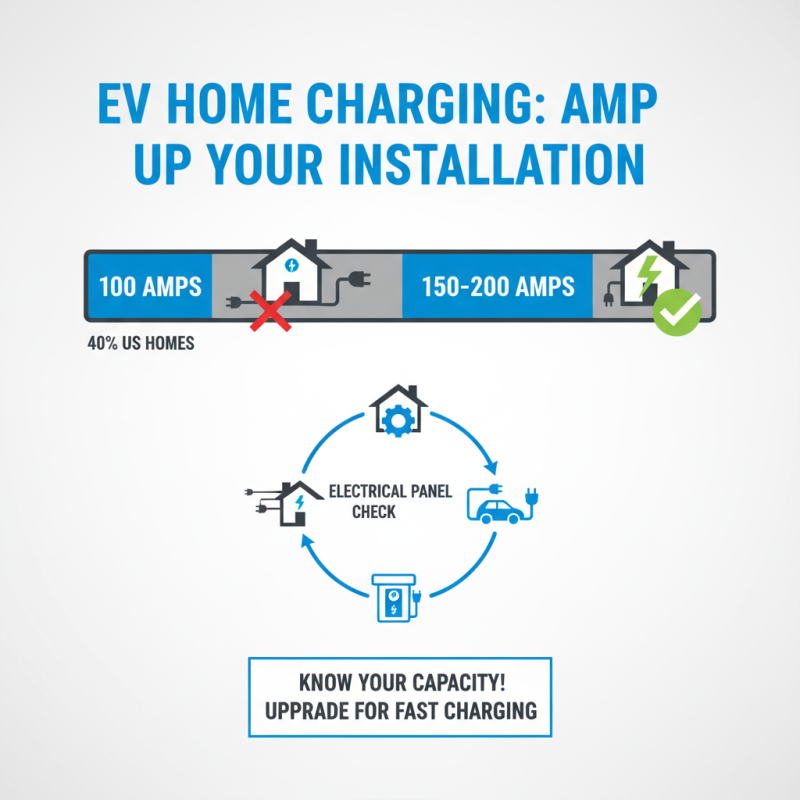
Installing a home wall EV charge station is not just a matter of purchasing the unit. It begins with understanding your home's electrical panel capacity. Many homes are designed with a 100-200 amp service. However, data shows that over 40% of homes in the U.S. still operate on 100 amps. This may limit your ability to install a fast-charging station effectively.
Assessing your electrical panel is crucial. Examine how many circuits are already in use. An overloaded panel can lead to safety hazards. The National Fire Protection Association reported that electrical distribution is one of the leading causes of home fires. If you're using multiple high-demand appliances, charging your electric vehicle could push you over the limit and create risks.
Consider hiring a qualified electrician for a professional assessment. They can determine if you need an upgrade. Many older homes may need one. The cost for this can vary significantly, sometimes reaching several thousand dollars. However, it’s an essential investment for safety and efficiency. If you find your capacity lacking, think about the long-term benefits of a modern electrical system. This will enhance your home’s value and usability.
Step-by-Step Installation Process for a Wall-Mounted EV Charger
Installing a wall-mounted EV charger can seem daunting. However, with a step-by-step approach, you can tackle it confidently. Begin by assessing your electrical panel. Is it up to the task? Check for available amperage. If your panel is old or overloaded, it may need an upgrade.
Next, choose an appropriate location. The charger should be easily accessible. Avoid spots that are too far from your parking area. Consider weather exposure too. A sheltered area will help protect your equipment.
Tips: Ensure you have the right tools on hand. This includes a drill, screwdrivers, and wire cutters. Safety is paramount. Always turn off the power at the main breaker before installation.
Once you've decided on the location, mount the charger securely. Follow the manufacturer's instructions closely. You may need to drill into concrete or wood. Take your time; rushing can lead to mistakes.
After mounting, connect the power source. Make sure all connections are tight. This makes for a safer installation. Double-check your work before turning on the power.
Remember, it’s a process that might need adjustments. You may face errors or complications. Reflect on your progress as you work through each step. With patience, you can successfully install your wall-mounted EV charger.
Installation of Home Wall EV Charge Stations - Overview
Cost Analysis: Price of EV Chargers and Installation Expenses Overview
Installing a home wall EV charge station is a smart move, but understanding costs is crucial. The price of EV chargers can range from $300 to $1,500. Installation expenses typically add another $500 to $2,000. This breakdown shows the clear investment needed.
According to the U.S. Department of Energy, the average cost to install a Level 2 charger is about $1,200. Keep in mind, this can vary based on local labor rates and any necessary electrical upgrades. Sometimes, homeowners overlook potential electrical panel upgrades, which can significantly inflate costs.
Tip: Get multiple quotes to ensure you're not overspending.
Many homeowners underestimate the ongoing costs of electricity for EV charging. Charging costs can add up, depending on local electricity rates, which average around $0.13 per kilowatt-hour. A full charge typically consumes about 30 kWh. Doing the math, expect to pay roughly $4 per charge.
Tip: Consider a home energy audit to optimize your electric bill.
Budgeting for these expenses might be challenging, especially when unexpected fees occur. The installation process can sometimes expose hidden complications, which can delay the project and increase costs. Always prepare for the unexpected.