Why Do You Need an AC EV Charging Cable for Your Electric Car?
As electric vehicles (EVs) gain popularity, understanding the importance of an AC EV Charging Cable is essential for users. According to a report by the International Energy Agency, global electric car sales reached 6.6 million in 2021, highlighting a shift towards sustainable transportation. However, many EV owners remain unaware of how crucial charging cables are for convenience and efficiency.
Expert in the EV charging sector, Dr. Emily Thorpe, emphasizes, "The right AC EV Charging Cable can significantly impact your charging experience." This statement captures the essence of why investing in a quality cable is vital. A reliable charging cable ensures faster charging times and compatibility with various EV models. Moreover, it reduces the risk of damage to both the vehicle and the charging infrastructure.
Yet, challenges persist. Many users often underestimate the length or capacity of their charging cables. Some may opt for cheaper options, which could lead to safety risks or inefficiencies. As the market evolves, education around choosing the right AC EV Charging Cable becomes increasingly important for all EV owners.
What is an AC EV Charging Cable?
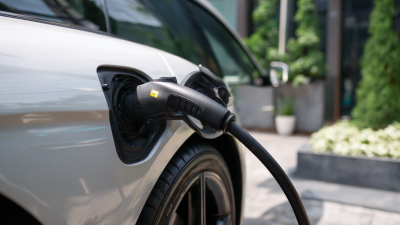
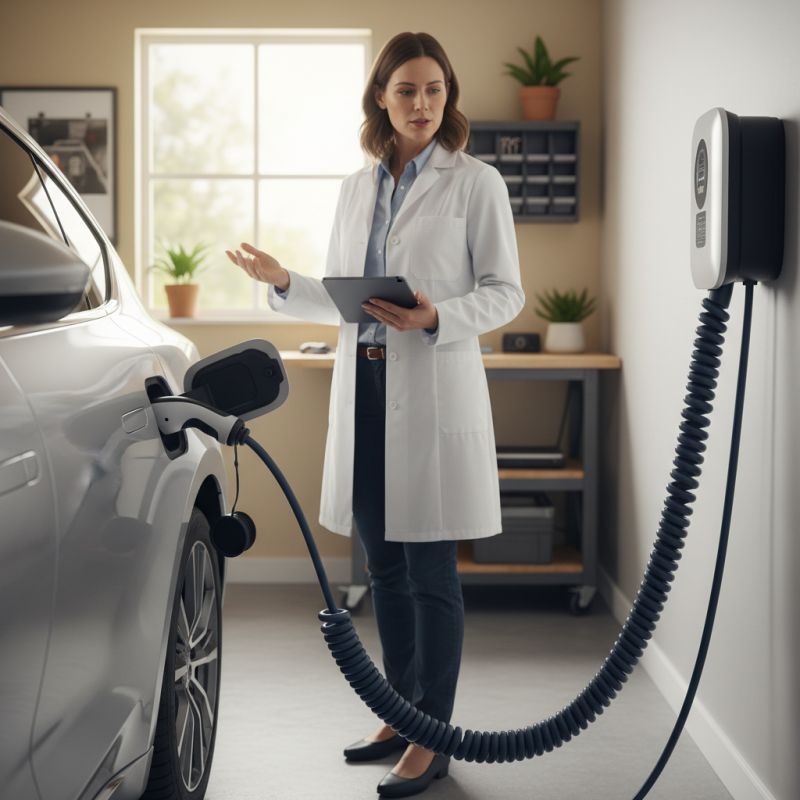
An AC EV charging cable is essential for electric car owners. It connects your vehicle to a power source, allowing you to charge efficiently. Unlike DC chargers, AC chargers are more common and usually easier to find. They provide a slower, but safer charging option for day-to-day use.
These cables come in different types and lengths. Understanding the specifications is crucial. Improper usage can lead to complications, like overheating or malfunction. Not all chargers are compatible, so it's vital to check specifications carefully. Many people rush this process, which often leads to frustration and unnecessary delays.
Moreover, a quality AC charging cable can enhance your overall experience. It can withstand various weather conditions and maintain flexibility. Investing in a reliable cable is important. However, many users overlook it, which can lead to inadequate charging or potential hazards. Conduct thorough research before purchasing. It pays off in the long run.
Benefits of Using an AC EV Charging Cable for Electric Cars
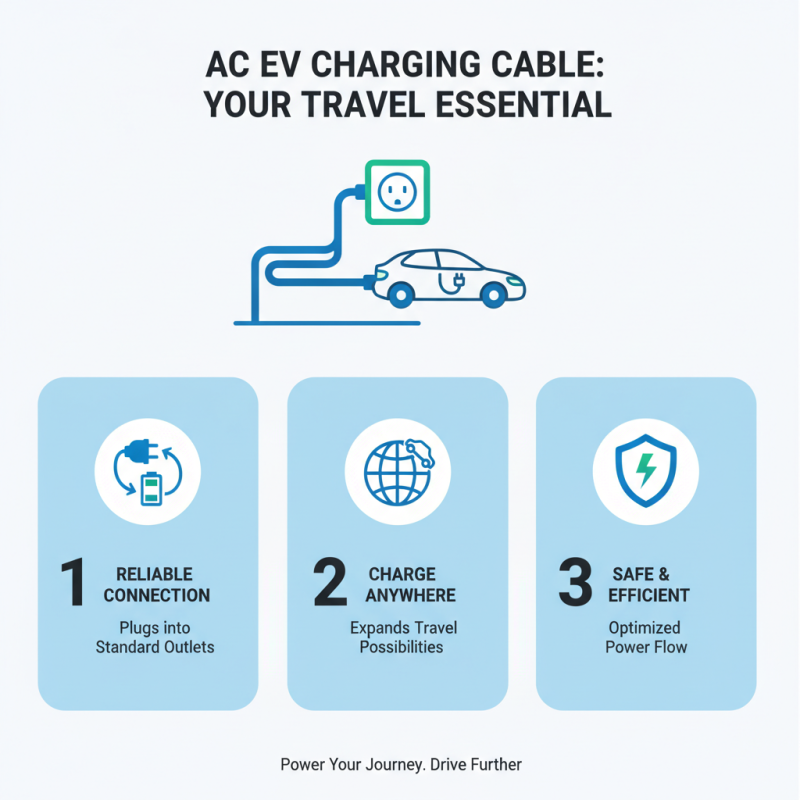
Using an AC EV charging cable is essential for electric car owners. These cables provide a reliable connection to standard power outlets. This means you can charge your car almost anywhere, making travel much easier. They are designed to handle the power requirements of your electric vehicle, ensuring a safe and efficient charging experience.
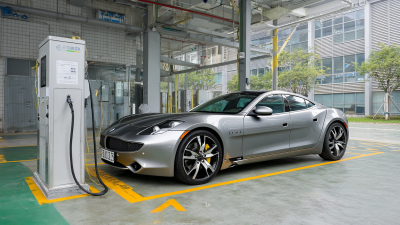
One significant benefit of using an AC EV charging cable is convenience. You can connect your car at home, at work, or in public charging locations. This flexibility saves time and reduces range anxiety. You don’t find yourself searching for a charging station when you need it most.
**Tip:** Always check the cable’s compatibility with your vehicle. Not all cables fit every model.
However, not all AC cables are created equal. Some may have shorter lengths, making them less practical. It’s important to consider the cable's quality and durability. Choose a reliable material that can withstand daily use.
**Tip:** Regularly inspect your charging cable. Look for signs of wear and tear. A damaged cable can be unsafe.
In summary, an AC EV charging cable enhances your electric car experience. The convenience, compatibility, and safety features make them indispensable for daily driving.
How to Select the Right AC EV Charging Cable for Your Vehicle
When selecting the right AC EV charging cable, there are several essential factors to consider. The first is compatibility. Not all cables fit every electric vehicle. Ensure your cable matches your vehicle's charging port. The wrong fit can lead to wasted time and frustration.
Another crucial factor is the cable's length. A longer cable provides flexibility. You can park your car farther from the charging station. However, cables that are too long may be cumbersome. They can get tangled or become a tripping hazard.
Charging speed is also important. Different cables support varying charge rates. Check your vehicle’s specifications for the optimal charging speed. Keep in mind that faster isn't always better. If not properly managed, faster charging can degrade battery life. Reflecting on these aspects will help you choose wisely.
Why Do You Need an AC EV Charging Cable for Your Electric Car? - How to Select the Right AC EV Charging Cable for Your Vehicle
| Feature |
Description |
Length Options |
Charging Speed |
Compatibility |
| Cable Type |
AC Charging Cable designed for electric vehicles |
5m, 10m, 15m |
Level 2 (up to 7.2 kW) |
Most EV brands |
| Connector Type |
Type 1 or Type 2 connectors for various vehicles |
5m, 7m |
Level 1 (up to 1.4 kW) |
Compatible with domestic socket |
| Durability |
Robust construction for outdoor use |
10m, 20m |
Fast charging (up to 32A) |
Standard for EV charging stations |
| Safety Features |
Built-in temperature control and surge protection |
3m, 5m, 10m |
Optimized for charging efficiency |
Electric vehicles worldwide |
Installation Requirements for AC EV Charging Cables
When installing an AC EV charging cable, proper attention to the requirements is crucial. The
National Electrical Code (NEC) recommends specific wiring
standards to ensure safety and efficiency. A dedicated circuit is essential
to handle the load. Many homes might not have this. In fact, 70% of older homes require
significant electrical upgrades before installation. This can be a hidden cost for many.
The installation should be done by a qualified electrician. This minimizes the risk of hazards.
The electrician must verify the electrical panel capacity. As per industry insights, around 30%
of homes have panels that cannot support additional loads. Using a non-compliant setup can lead to
overheating and possible failures.
Location also matters. The charging
station should be easily accessible. Charging in a garage is ideal. However, many people overlook proper
placement. Ensuring a safe environment surrounding the charger is essential. According to a recent report,
only 40% of users consider their charging station's location before installation. This oversight
can cause inconvenience. Proper planning and professional advice can save time and money later.
Safety Considerations When Using AC EV Charging Cables
When using AC EV charging cables, safety is crucial. Overheating is a common issue. It can occur due to poor connections and inadequate cable ratings. According to a report by the National Fire Protection Association, electrical faults were involved in nearly 47% of vehicle fires in recent years. Proper cable selection can significantly reduce risks.
Moreover, regular inspections are essential. Look for wear and fraying. A damaged cable can lead to electric shock or fire. The U.S. Department of Energy recommends examining cords before each use. This small precaution can prevent major disasters.
Additionally, understanding voltage ratings is vital. Most home charging uses 120V or 240V. Using a cable rated for a higher voltage can create hazards. Industry data shows that the right voltage can enhance charging efficiency. Electrical shock danger rises with mismatched ratings. Your safety largely hinges on awareness and diligence.