Why You Should Consider a Portable Ev Charger for Your Electric Vehicle?
In the evolving landscape of electric vehicles, a Portable EV Charger stands out as a game-changer. Leading industry expert, Dr. Emily Chen, emphasizes, "Flexibility in charging options is essential for modern EV owners." This statement resonates deeply as many drivers seek convenient solutions.
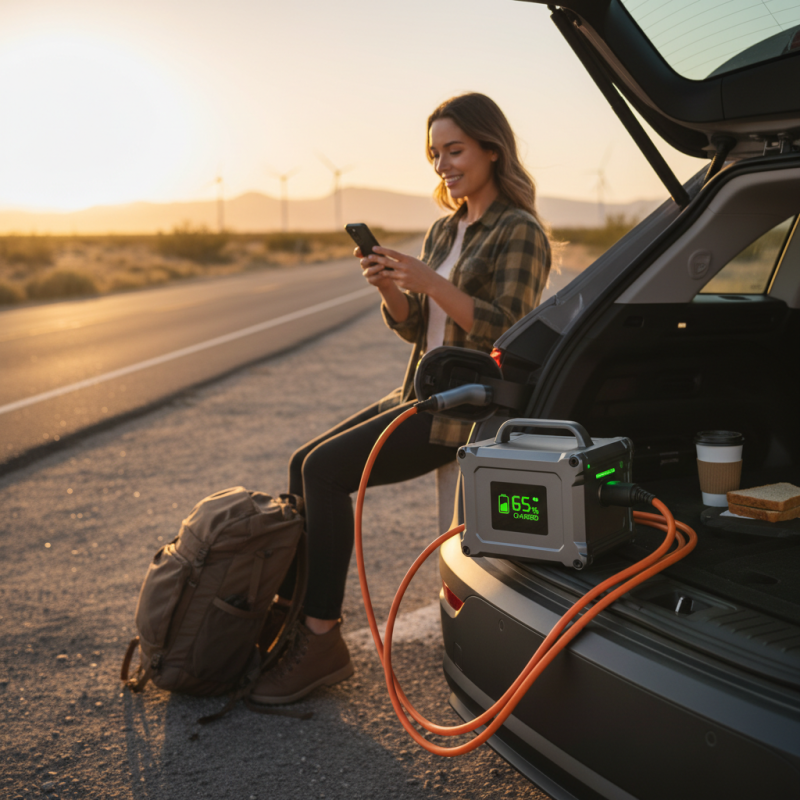
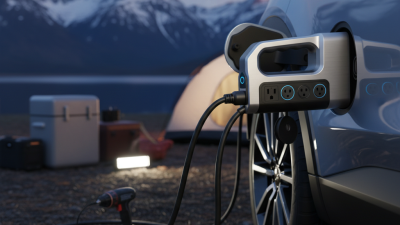
Consider this: you are on a cross-country road trip, and suddenly, your EV battery is running low. A Portable EV Charger can be your lifesaver. It allows you to charge your vehicle anytime and anywhere. However, some users worry about its efficiency. While portability offers unmatched convenience, performance can vary based on the charger model.
Investing in a Portable EV Charger may seem straightforward, but it’s not just about charging speed. It’s also about lifestyle compatibility. Can you integrate this device into your daily routine? Each user's experience will vary, and finding the best fit requires careful consideration.
Benefits of Using a Portable EV Charger for Electric Vehicles
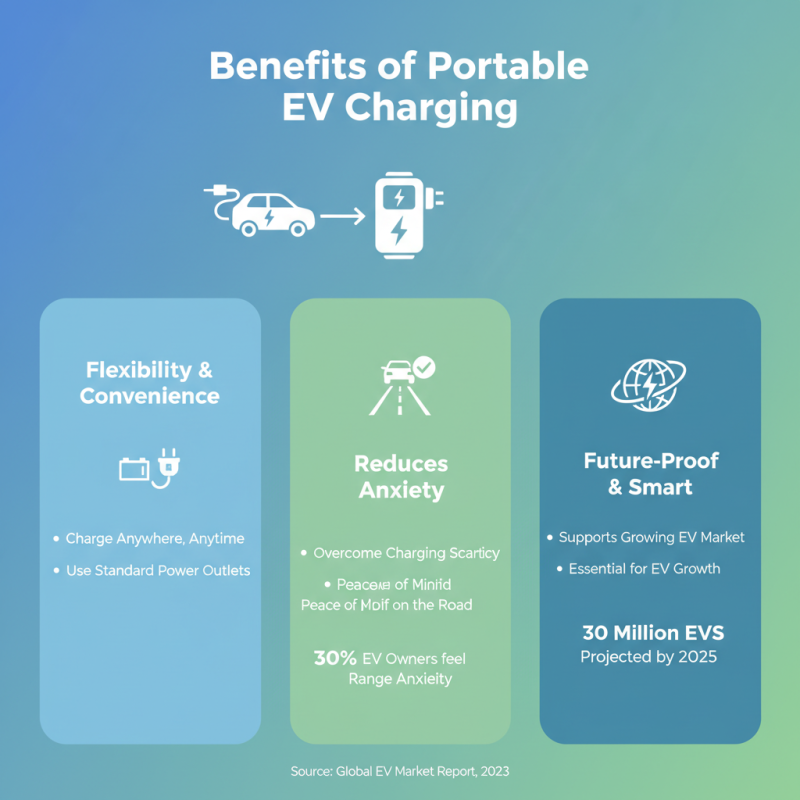
Portable EV chargers offer numerous benefits for electric vehicle owners. With the global EV market projected to reach 30 million units by 2025, the need for flexible charging solutions is more critical than ever. Reports highlight that nearly 30% of EV owners feel range anxiety due to charging accessibility. A portable charger can ease this worry, allowing drivers to recharge anywhere with a power source.
Convenience is a significant advantage. Portable chargers often weigh less than 15 pounds, making them easy to carry. They can be plugged into standard outlets, increasing charging options. This feature is particularly beneficial for those living in apartments or areas with limited infrastructure. However, it’s essential to verify the power output. Some portable chargers may take longer to provide a full charge, which could be frustrating for users in a hurry.
Moreover, using a portable charger can enhance energy efficiency. It allows users to charge their vehicles during off-peak hours when electricity rates are lower. In fact, studies show that charging at night can save drivers up to 20% on energy costs. However, not all portable chargers are created equal, and selecting the right type requires careful consideration. While the benefits are clear, overconfidence in technology can sometimes lead to oversight, especially for new EV owners learning about the various charging options available.
Key Features to Look for in a Portable EV Charger
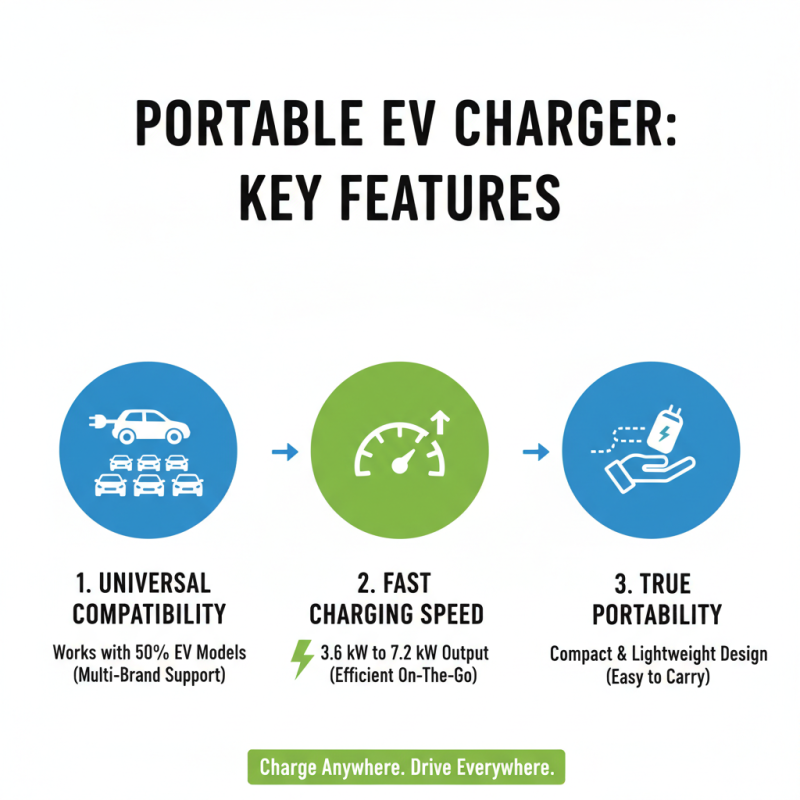
When choosing a portable EV charger, certain key features make a significant impact. Compatibility is essential; check if the charger works with various electric vehicle models. According to industry reports, over 50% of EV owners switch brands. Ensure your charger meets their needs. Portability should not compromise charging speed. Look for options that offer at least 3.6 kW to 7.2 kW output. This range allows for efficient charging while on the go.
Safety features should never be overlooked. A good portable charger will have built-in protections against overheating and short circuits. Data indicates that electrical faults contribute to 30% of EV charging incidents. Prioritizing safety can prevent accidents and costly repairs. Finally, a user-friendly design is crucial. A lightweight product with a flexible cord enhances your charging experience, making it easier to connect in various locations.
Consider the cable length as well. Longer cables provide more flexibility when charging. Reports suggest that 40% of users find short cables frustrating. Think about your typical charging scenarios. If you often park far from outlets, an extra-long cord can save you time. These practical details add up to a more reliable ev charging solution.
Comparing Portable EV Chargers with Traditional Charging Options
Portable EV chargers offer flexibility that traditional charging stations can’t match. According to a recent industry report, around 70% of EV owners charge at home. Yet, when traveling, access to traditional charging points can be limited. A portable charger gives peace of mind on long journeys or in less accessible areas. It's essential to have options.
Using a portable charger means you can charge anywhere, anytime. This convenience is especially valuable during emergencies. Data shows that 20% of EV drivers run out of charge while on the road. A portable option can alleviate the stress of finding a charging station in unfamiliar territories.
**Tip:** Consider the wattage of a portable charger. Higher wattage typically yields faster charging times. Also, check the compatibility with your vehicle type.
While traditional charging stations are reliable, they come with limitations. This includes wait times and sometimes inconvenient locations. In contrast, a portable EV charger can fit in your trunk, providing immediate access to charge when needed.
**Tip:** Always ensure your portable charger meets safety standards. Look for certifications that guarantee performance and safety.
While convenient, remember that not all portable chargers provide the same charging speed. It's crucial to choose one that fits your needs the best. Evaluate the overall efficiency to get the most out of your charging experience.
Understanding the Charging Speed and Compatibility for Your Vehicle
When considering a portable EV charger, understanding its charging speed and compatibility is crucial. Charging speeds vary based on the charger type. Level 1 chargers, for example, provide around 2-5 miles of range per hour. In contrast, Level 2 chargers can deliver up to 25 miles of range in the same time frame. According to industry reports, faster charging benefits urban drivers and long-distance travelers alike.
Compatibility with your vehicle is another key factor. Not all portable chargers work with every EV model. Most electric vehicles support standard connectors. Still, checking your car’s specifications is essential before purchasing a charger. Using an incompatible charger can lead to inefficient charging or damage to your vehicle.
**Tip:** Always read the user manual of your EV. It can guide you on recommended charger types.
Another important aspect is the amperage rating. Higher amperage means faster charging. However, ensure your home electrical system can handle the load.
**Tip:** Consult an electrician if you plan to install a home charging station.
Ultimately, the right portable EV charger can simplify your charging experience significantly. It’s worth dedicating time to research and understand different options available in the market.
Why You Should Consider a Portable Ev Charger for Your Electric Vehicle?
| Charger Type |
Charging Speed (kW) |
Compatibility |
Weight (lbs) |
Price Range ($) |
| Level 1 Charger |
1.4 |
All EVs |
5 |
200-300 |
| Level 2 Charger |
3.3 - 7.2 |
Most EVs |
15 |
400-700 |
| DC Fast Charger |
50 - 350 |
Limited EVs |
100+ |
15,000+ |
| Portable Charger |
2.4 - 7.2 |
Most EVs |
5 - 10 |
300-500 |
Tips for Safely Using and Storing Your Portable EV Charger
When using a portable EV charger, safety is key. First, always inspect the charger for any visible damage. A frayed cable can be a fire hazard. Ensure that your charger is compatible with your vehicle. This reduces the risk of malfunction.
Storing your charger properly is equally important. Keep it in a dry place. Humidity can affect performance. Avoid leaving the charger in extreme temperatures. Hot or cold can damage internal components. Regularly check the charger’s condition. If you notice any issues, don’t hesitate to fix them or replace the unit.
Also, consider the charging environment. Avoid using the charger in crowded or obstructed areas. Set it up in a space where the cable won’t be a trip hazard. Remember, your safety and the safety of others is paramount. If you feel unsure about something, trust your instincts and ask for help. It’s better to be safe than sorry when dealing with electricity.
Benefits of Using a Portable EV Charger