Portable Ev Charger Tips for Fast Charging Your Electric Vehicle?
Electric vehicles (EVs) are gaining popularity. With this growth, the need for efficient charging solutions is critical. Portable EV chargers are becoming essential for many drivers. They offer convenience and flexibility, but not all portable chargers are created equal.
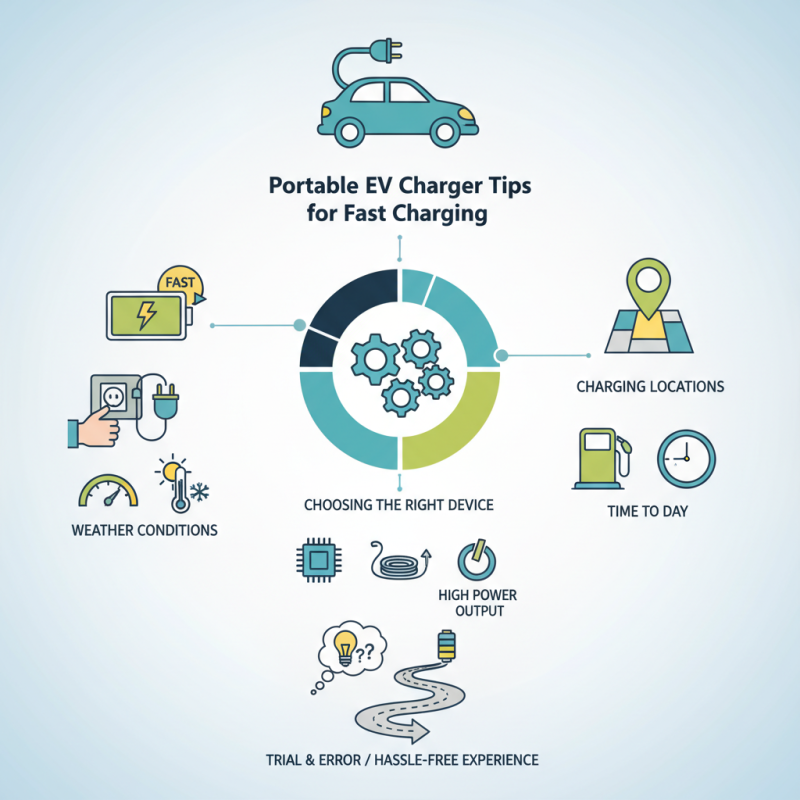
As John Smith, an industry expert, once said, "The right portable EV charger can make all the difference in your charging experience." This highlights the importance of choosing the right device. Not every portable charger can deliver fast charging effectively. Some may take longer than expected, leading to frustration on the road.
Charging locations matter too. Finding a suitable outlet can be a challenge. Factors like weather and time of day can influence the charging speed. For instance, chargers may perform poorly in extreme temperatures. Reflecting on these details is crucial for a hassle-free experience. It's not just about buying a portable EV charger; it’s about using it wisely. Each user’s experience can vary greatly, so trial and error is often part of the journey.
Understanding Portable EV Chargers: Features and Benefits
Portable EV chargers serve as essential tools for electric vehicle owners. They offer the convenience of charging your vehicle wherever you go. These chargers are compact and easy to store, allowing you to keep one in your trunk. The flexibility of usage means you can charge at home, work, or even on the go.
Key features include adjustable power levels and compatibility with various EV models. Some chargers come with smart technology that helps monitor energy consumption. However, not all portable chargers deliver the same charging speed. Before purchasing, consider your vehicle’s needs. Are you charging for a quick trip or overnight? It’s crucial to choose a charger that suits your charging habits.
Many benefits come with portable chargers, such as cost savings and ease of use. They can reduce the need for public charging stations, which might be limited in some areas. Yet, potential drawbacks exist. Long charging times can be frustrating, especially if you’re in a hurry. Charging locations may not always be ideal; you might find yourself in inconvenient spots. Embracing the right portable EV charger requires thoughtful consideration and sometimes, a bit of trial and error.
Portable EV Charger Efficiency Comparison
Selecting the Right Portable EV Charger for Your Electric Vehicle
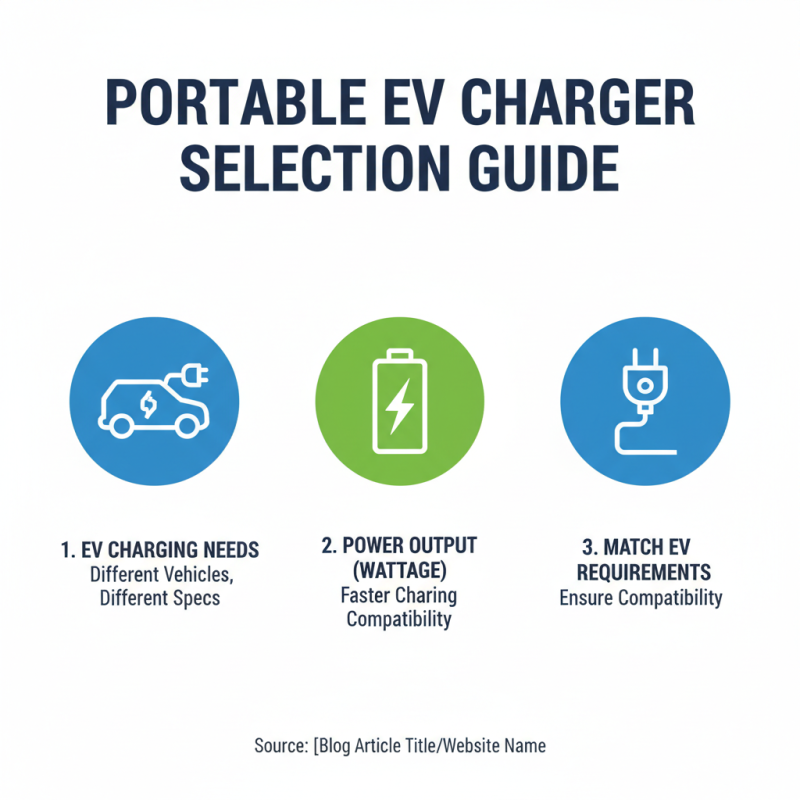
When selecting a portable EV charger, consider your vehicle’s charging needs. Each electric vehicle has different specifications. Understanding these can help you choose a compatible charger. Look into the power output of the charger. Higher wattage can provide faster charging, but ensure it matches your EV’s requirements.
Check the charger’s amperage. Some chargers offer adjustable settings. This feature is useful for different scenarios. For example, a lower setting can help when using standard outlets. Take note of the connector types, too. They need to align with your vehicle’s port. Always carry the right adapter for those unexpected situations.
Moreover, portability is key. Some chargers are compact and easy to store. However, not all lightweight options provide fast charging. Evaluate your lifestyle and needs. A charger may be convenient but lack in performance. This contradiction needs careful thought. Balancing portability and speed is crucial.
Optimal Charging Techniques for Faster Electric Vehicle Charging
When it comes to charging your electric vehicle (EV) at home, choosing the right method can make all the difference. Industry reports indicate that using a Level 2 charger can significantly reduce charging time compared to a standard outlet. A Level 2 charger provides up to 240 volts, allowing for faster charging speeds of around 10 to 20 miles of range per hour. This is crucial for daily commutes.
Charging your EV at optimal times can also enhance efficiency. Charging during off-peak hours can lead to lower electricity costs and improved charging speeds. Many utilities offer incentives for nighttime charging. However, always check local rates to ensure that it's the most economical choice.
It’s important to note the limitations of portable EV chargers. While convenient, they often provide lower amperage and can take longer to charge your vehicle. If you're in a rush, a portable charger might not meet your needs. Furthermore, some users complain about compatibility issues. This can lead to unnecessary frustration. Thus, understanding your vehicle's charging capabilities is vital for an effective charging strategy.
Best Practices for Maintaining Your Portable EV Charger
Maintaining a portable EV charger is crucial for optimal performance. Regular inspections can help identify issues early. According to a recent industry report, 30% of portable chargers fail due to lack of maintenance. Checking cables for frays and ensuring connectors are clean can prevent problems.
Battery health is another important aspect. The lifespan of a lithium-ion battery can be affected by charging habits. Keeping the charger in a cool, dry place helps prolong its life. Studies show that extreme temperatures can reduce battery efficiency by up to 20%.
It's worth noting that not all chargers are created equal. Many users overlook compatibility. Always verify that your charger matches your vehicle's specifications. This can save time and avoid frustration during charging sessions. Regularly updating software can also enhance performance.
Safety Tips for Using Portable EV Chargers on the Go
When using portable EV chargers, safety is crucial. Before plugging in, check the charger and cables for visible damage. Look for frayed wires or loose connections. If the equipment seems faulty, don't use it. Always follow the instructions provided for your charger. Take time to read the manual. It’s easy to skip this step, but it’s important.
Stay aware of your surroundings when charging. Avoid charging in poorly lit areas. If you're on a busy street, park safely and be mindful. Watch for pedestrians and other vehicles. Sometimes, people rush and don’t pay attention. Using a portable charger shouldn’t make you feel anxious, but it can. Keep a fire extinguisher in your vehicle just in case.
Keep your charger dry and avoid wet surfaces. Water and electricity don’t mix well. When charging outdoors, be cautious with weather changes. Rain or storms might affect your charge. These tips may sound simple, but overlooking them can lead to accidents. A little attention to safety goes a long way in ensuring a smooth charging experience.
Portable EV Charger Tips for Fast Charging Your Electric Vehicle
| Tip |
Description |
Safety Measures |
Charging Time |
| Choose the Right Charger |
Select a portable EV charger with the appropriate voltage and amperage for your vehicle. |
Ensure the charger has safety certifications like UL or CE. |
Varies based on charger type, generally 4-12 hours. |
| Regular Inspections |
Check your charger for signs of wear or damage before each use. |
Avoid using a damaged charger to prevent electrical hazards. |
N/A |
| Locate Suitable Charging Stations |
Plan charging stops at locations that have proper facilities for EV charging. |
Use apps to find station reviews and safety information. |
Varies by station; usually 30 minutes to several hours. |
| Weather Considerations |
Avoid charging in extreme weather conditions to protect battery life. |
If necessary, use a weatherproof charger or cover. |
N/A |
| Use Dedicated Outlets |
For faster charging, plug into a dedicated circuit rather than shared outlets. |
Ensure the outlet is rated for the charger's requirements. |
Depend on outlet specs and charge level. |