Why You Should Consider Installing a Home EV Charger?
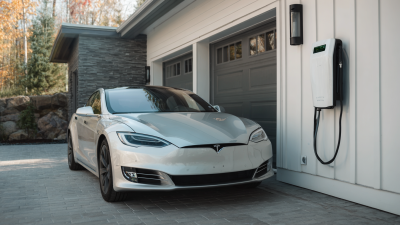
As electric vehicles (EVs) gain popularity, many homeowners consider a Home EV Charger for convenience and efficiency. Jim Monroe, a leading expert in the EV industry, states, "Installing a Home EV Charger can revolutionize your daily routine." This insight sheds light on the growing necessity of such installations.
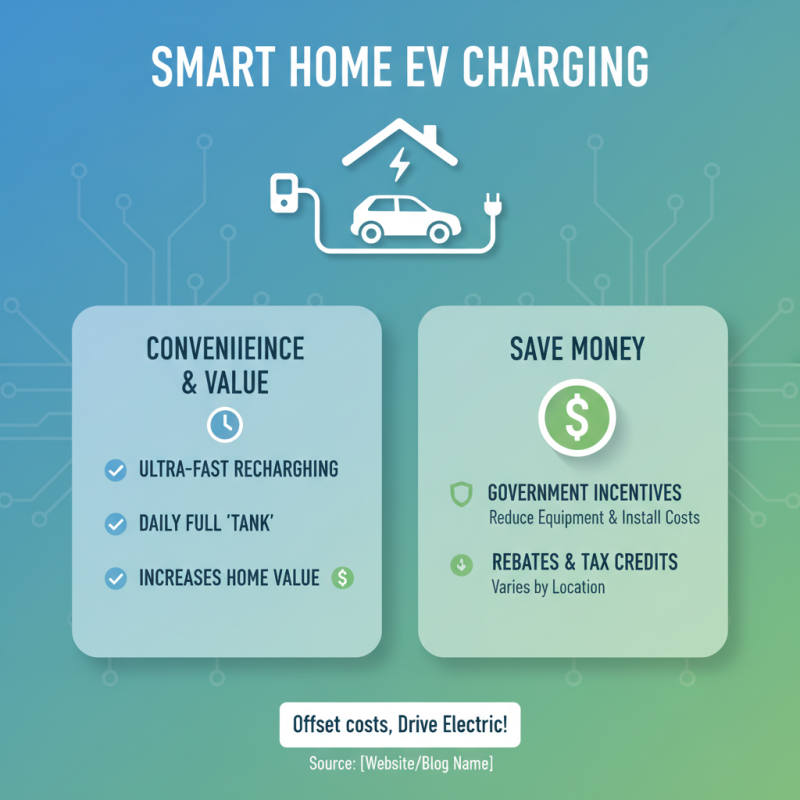
Having a Home EV Charger provides greater flexibility for EV owners. You can charge your vehicle overnight, ensuring a full battery each morning. This not only saves time but also reduces dependency on public charging stations. However, the installation process can be daunting. Many homeowners struggle with costs and technical requirements. Proper research is essential to avoid pitfalls.
Moreover, the environmental benefits of a Home EV Charger are noteworthy. By opting for home charging, you contribute to reducing your carbon footprint. Still, it’s essential to be aware of your local energy sources. Some regions may still rely on fossil fuels, which can undermine your eco-friendly efforts. Balancing convenience, cost, and sustainability is key when considering a Home EV Charger.
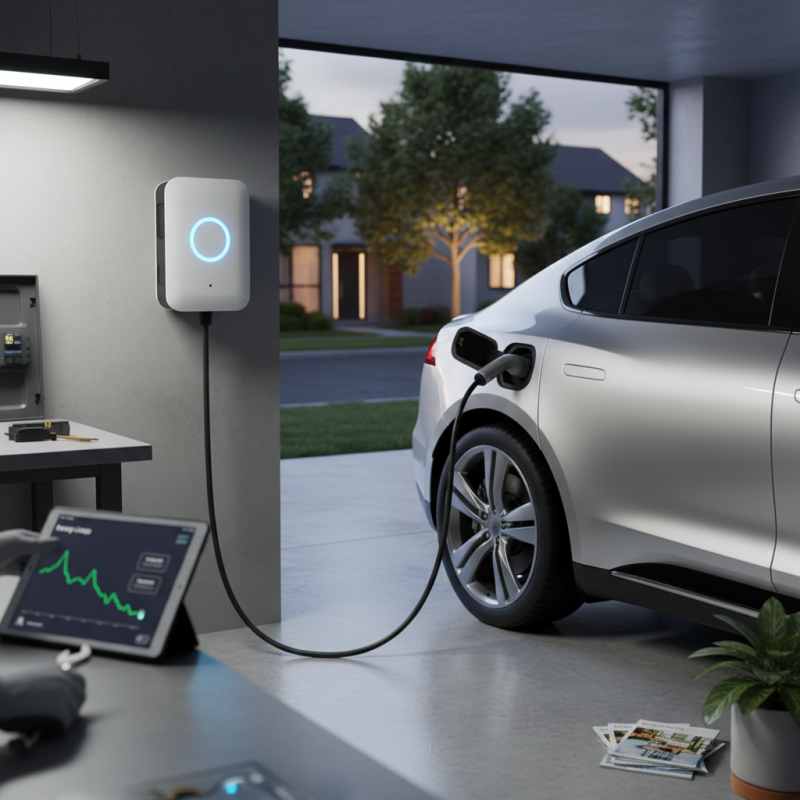
Benefits of Installing a Home EV Charger for Convenience and Savings
Installing a home EV charger offers significant convenience and savings. A recent report from the U.S. Department of Energy indicates that home charging stations can reduce EV charging costs by up to 50%. This savings stems from lower electricity rates at home compared to public charging stations. Charging your EV at night, during off-peak hours, can lead to even lower costs.
Moreover, the convenience factor cannot be overlooked. With a home charger, you eliminate the hassle of searching for public stations. According to a survey by the International Energy Agency, 80% of EV owners prefer home charging for its ease. Imagine returning home from work, plugging in your car, and waking up to a full battery. This routine can save time and reduce stress.
However, some may find the initial installation cost daunting. While home chargers typically cost between $500 to $1,500, numerous incentives exist. Many regions offer rebates for installation, offsetting costs effectively. The long-term savings on fuel and maintenance can compensate for these upfront expenses. A little planning can lead to efficient energy use and financial benefits, making this investment worth considering.
Cost Analysis: Initial Investment vs. Long-Term Savings on Fuel and Maintenance
Installing a home EV charger requires careful consideration. The initial investment can feel daunting. Charger prices vary widely. Installation costs can add to this. However, the long-term savings may outweigh these concerns.
Fuel savings are significant. Charging at home often costs less than traditional fuel. You could spend around a third less per mile. Maintenance costs are also lower. EVs typically require fewer repairs. Oil changes and some other expenses disappear. This leads to substantial savings over time.
**Tip:** Research local incentives. Some areas offer rebates for EV charger installation. This can help reduce the upfront costs.
The technology is also rapidly evolving. Charging speeds improve every year. Make sure to choose a future-proof option. Such a decision can save you from needing a costly replacement soon.
**Tip:** Monitor your electricity bill. Understanding your charging habits helps you calculate true expenses. You might be surprised at how much you save.
Cost Analysis: Initial Investment vs. Long-Term Savings on Fuel and Maintenance
This chart provides a visual comparison of the initial investment required for a home EV charger against the long-term savings from fuel and maintenance. The initial investment is estimated at $2,500, while the annual savings in fuel and maintenance are $800 and $200 respectively, illustrating the potential financial benefits over time.
Charging Speed: How Home EV Chargers Outperform Public Charging Stations
Home EV chargers significantly outperform public charging stations when it comes to speed. According to a recent study by the Electric Vehicle Association, a typical home charger can deliver up to 7.7 kW of power. This allows most electric vehicles (EVs) to recharge fully overnight. In contrast, many public charging stations provide varying power levels. The average station offers only 3 kW, leading to longer wait times.
Charging at home is not just faster; it’s also more convenient. Charging at home means no detours or waiting in line. A report from the International Energy Agency states that almost 80% of EV owners prefer home charging. This preference is likely due to the predictable charging habits it allows. You can simply plug in and leave it overnight.
However, some users express concerns about installation costs and electricity rates. The initial setup may seem daunting. Yet, over time, the savings on fuel and the convenience often outweigh these costs. An estimated 60% of homeowners report feeling secure about investing in home charging solutions. This positive outlook highlights the growing acceptance of home EV chargers, despite initial hurdles.
Government Incentives and Rebates for Home EV Charger Installation
Installing a home EV charger not only enhances convenience but can also be financially smart. Many governments offer incentives to encourage homeowners to make this switch. These incentives can significantly reduce installation costs, making electric vehicle ownership more appealing. Rebates vary by location but can help offset expenses for both the charger and installation service.
For instance, you might receive a tax credit for a portion of the costs. Some states even provide cash incentives directly to homeowners. Research is essential here. Eligibility may depend on factors like the type of charger or your residential energy source. Additionally, some utility companies offer time-of-use rates which can lower electricity bills during off-peak times.
However, it's crucial to understand the drawbacks. Not everyone may qualify for these incentives. Paperwork can be confusing and time-consuming. Missing essential documentation might prevent you from receiving funds. Make sure to double-check all requirements before proceeding. Overall, while the benefits are clear, the process requires careful navigation.
Environmental Impact: Reducing Carbon Footprint with Home EV Charging Solutions
Installing a home EV charger can significantly reduce your carbon footprint. Electric vehicles (EVs) are known for their lower emissions compared to traditional gas-powered cars. By charging at home, you can utilize renewable energy sources.
Solar panels are a great option. They provide clean energy and further decrease your reliance on fossil fuels.
However, the impact of electric cars depends on the source of electricity. In some areas, the grid still relies heavily on coal and natural gas. If your home charger uses energy from these sources, the benefit of driving an EV might be less significant. It’s crucial to consider your local energy mix and evaluate if home charging truly offers a cleaner option for you.
Beyond the environmental advantages, having a charger at home offers convenience. You can charge overnight, waking up to a full battery. No more trips to the gas station. That being said, the initial investment for a home EV charger can be daunting. Weighing costs against long-term savings is necessary.
Reflecting on these factors will help you make an informed choice.