Top 10 Wall EV Charge Stations for Your Home Charging Needs?
As electric vehicles become increasingly popular, the need for convenient home charging solutions grows. A Wall EV Charge Station offers a practical and efficient option for homeowners. "Home charging is not just about convenience; it’s about future readiness," says Jane Smith, a recognized expert in the EV charging industry.
Finding the right charging station can be daunting. There are various features to consider such as speed, compatibility, and installation costs. However, a well-chosen Wall EV Charge Station can significantly enhance your EV ownership experience. Reliability is key; you want a unit that stands the test of time and meets your daily charging needs.
With the right information, selecting a wall charging solution doesn’t have to be overwhelming. Factors like power output and design can greatly impact your choice. Remember, not all stations are built equally. Research and testimonials can guide you to a choice that fits seamlessly into your life. Integrating a Wall EV Charge Station into your home can ultimately reflect your commitment to sustainable living and future technology.
The Importance of Home EV Charging Stations in Sustainable Living
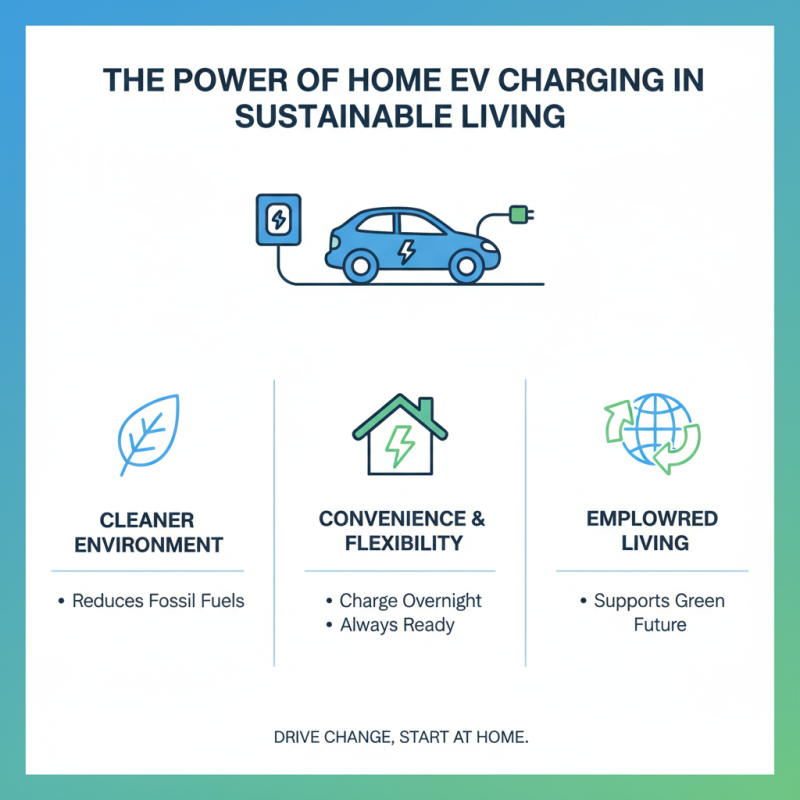
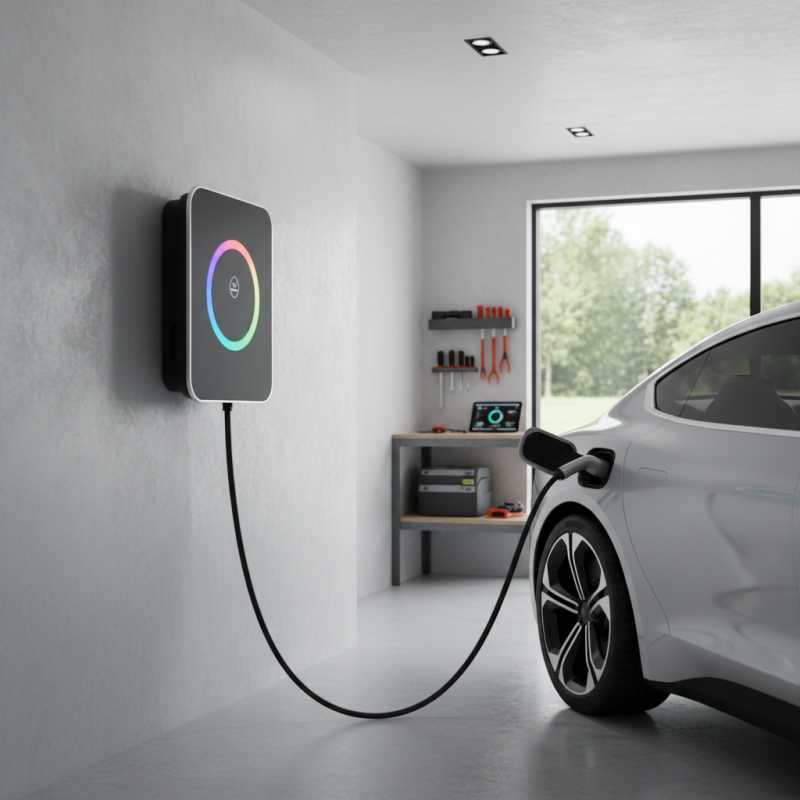
Home EV charging stations play a vital role in sustainable living. They allow homeowners to charge their electric vehicles conveniently. This choice supports a cleaner environment by reducing reliance on fossil fuels. Moreover, having a charging station at home offers flexibility. You can charge your vehicle overnight, ensuring it’s ready for the next day.
The setup of a home charging station also prompts personal responsibility. It encourages users to think about their energy consumption. Investing in renewable energy sources, such as solar panels, can enhance this aspect. Not only does this reduce carbon footprints, but it also can lower electricity costs in the long run.
Tips: Now, consider your location and available space before purchasing a charging station. Evaluate local incentives for installing EV charging equipment. Research local regulations regarding home charging setups. These steps can lead you toward a more sustainable lifestyle. Even small changes can have a big impact.
Key Factors to Consider When Selecting a Wall EV Charger
When selecting a wall EV charger, several key factors come into play. One of the most important is power output. Chargers typically range from Level 1 to Level 2, with Level 2 being faster. A higher output means quicker charging, which is vital for busy households. Consider the distance from your electrical panel too; longer runs may require more expensive wiring.
Compatibility is another crucial aspect. Ensure the charger is compatible with your specific EV model. Not all chargers work with every vehicle. Check the connector types, as some EVs might need adapters.
Tip: Assess your daily driving habits. If you frequently travel long distances, a higher-powered charger will suit your needs better. Also, think about your home’s electrical capacity. It might need an upgrade to support a level 2 charger.
Installation plays a significant role as well. Professional installation is recommended to ensure safety and optimal performance. Review local regulations that may affect installation. Understanding these elements can save money and ensure a smoother charging experience.
Tip: Look for chargers with smart features. These can monitor energy usage and even schedule charging during off-peak hours, which may lead to savings. Also, ensure the unit has a warranty for added peace of mind.
Top 10 Wall EV Charge Stations for Your Home Charging Needs
Top Features of the Best Wall EV Charging Stations Available Today
When selecting a wall EV charging station for home use, certain features can significantly enhance your experience. Look for units with adjustable power settings. This allows you to customize the charging speed, catering to your vehicle's specific requirements. A charging station with a user-friendly interface makes it easier to monitor charging progress and manage settings.
Another important aspect is safety. Ensure the station has built-in protection against overheating and power surges. Such features can prevent potential damage or hazards during charging. Consider durability as well; high-quality materials resist wear over time.
Tips for installation include assessing your garage space. Ensure easy access to your vehicle and enough room for the cable. Avoid clutter around the charging station. Not only does this ensure safety, but it also allows for easy maintenance.
Think about the connectivity options, too. Charging stations with Wi-Fi or app integration can provide real-time updates. They can also schedule charging sessions for off-peak hours, saving you money. Reflect on these features as they can greatly influence your overall charging experience at home.
Top 10 Wall EV Charge Stations for Your Home Charging Needs
| Model |
Charging Speed (kW) |
Connector Type |
Smart Features |
Warranty (Years) |
Price ($) |
| Model A |
7.2 |
Type 1 |
Wi-Fi, App Control |
3 |
499 |
| Model B |
11 |
Type 2 |
Bluetooth, Smart Timer |
5 |
599 |
| Model C |
22 |
Type 2 |
App Control, Voice Activation |
3 |
799 |
| Model D |
7.2 |
Type 1 |
Smart Energy Management |
4 |
450 |
| Model E |
11 |
Type 2 |
Remote Monitoring |
2 |
650 |
| Model F |
22 |
Type 2 |
Energy Reports |
5 |
899 |
| Model G |
7.2 |
Type 1 |
Schedule Charging |
3 |
525 |
| Model H |
11 |
Type 2 |
Auto Update |
4 |
625 |
| Model I |
22 |
Type 2 |
Integration with Solar |
6 |
1050 |
| Model J |
7.2 |
Type 1 |
Customizable Interface |
2 |
450 |
Comparative Analysis: Level 2 vs. Level 1 Home Charging Solutions
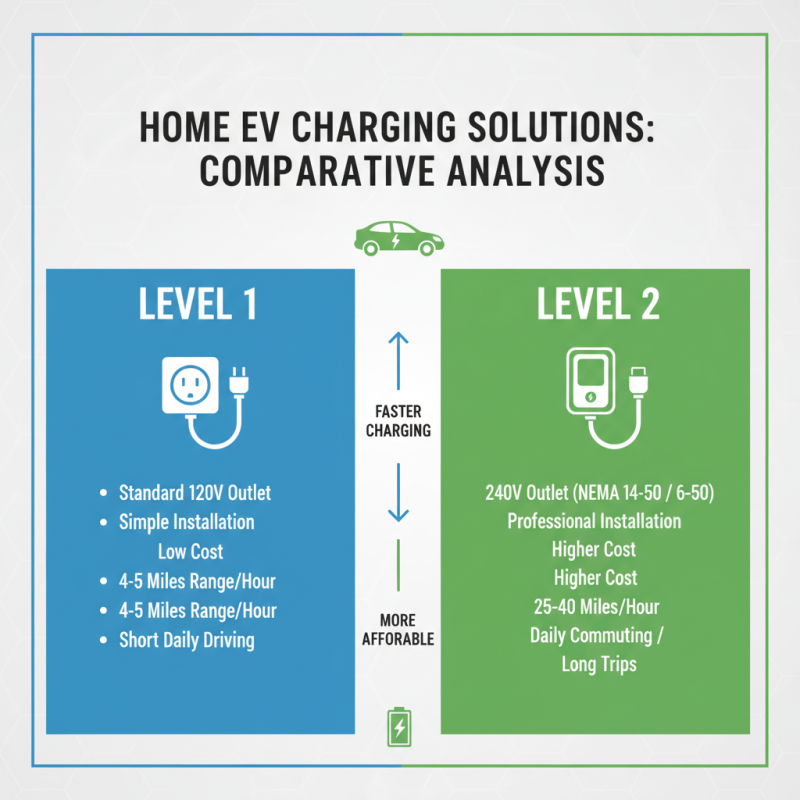
When considering home charging solutions for electric vehicles, understanding the differences between Level 1 and Level 2 chargers is crucial. Level 1 chargers use a standard 120-volt outlet, making them convenient for basic needs. Installation is simple, and costs are low. However, they often provide only 4-5 miles of range per hour. This can be sufficient for those who drive short distances daily.
Conversely, Level 2 chargers operate at 240 volts, offering faster charging capabilities. They can provide 25-30 miles of range per hour. Although they require professional installation, the time saved often justifies the initial investment. People with longer commutes will find Level 2 chargers especially beneficial. However, potential users must consider their home's electrical capacity.
**Tips:** Assess your daily driving habits. If you drive less than 40 miles daily, a Level 1 charger may suffice. For heavy users, investing in a Level 2 charger could streamline your routine. Always consult a certified electrician for installation to ensure safety and efficiency. Regularly check the chargers and electrical connections for wear. Keeping them in good condition ensures longevity and reduces risks.
Understanding the Cost Efficiency of Home EV Chargers Over Time
The cost efficiency of home EV chargers is becoming clearer as electric vehicles gain popularity. Research from the U.S. Department of Energy indicates that charging at home can save EV owners around $1,000 annually compared to traditional gasoline vehicles. This significant savings comes from lower electricity rates versus gas prices, which can fluctuate wildly.
Over time, the upfront cost of a wall EV charge station can be daunting. Depending on the charger type, installation can range from $500 to $2,000. However, many homeowners break even within three to five years. A study published by the International Energy Agency highlights that a typical EV owner travels about 13,500 miles annually. With widespread home charging available, this leads to a consistent reduction in transport costs, often surpassing initial expenses.
The value of convenience should not be underestimated. Fewer visits to gas stations are just part of the picture. Many users report that home charging has become an integral part of their daily routine. Still, there are challenges, such as finding the right charger and ensuring compatibility with your vehicle. Regular maintenance and the potential need for electrical upgrades also warrant consideration. Overall, navigating these hurdles is crucial for maximizing the financial benefits of home EV charging.