Top 10 Ev Fast Charge Stations Every Business Should Know?
As electric vehicle (EV) adoption accelerates, the demand for EV Fast Charge Stations is surging. According to a report by the International Energy Agency (IEA), the number of EVs on the road is expected to reach 145 million by 2030. This shift presents a significant opportunity for businesses to invest in charging infrastructure. Fast charge stations not only enhance convenience for EV users but also attract new customers.
With the rise in EV ownership, experts estimate that the market for charging stations will grow 36% annually, reaching a valuation of over $100 billion by 2030. However, the installation of these stations is not without challenges. Many businesses struggle with location selection and equipment choices. Ensuring a strategic placement of EV Fast Charge Stations can lead to higher usage and better return on investment.
Understanding the landscape of EV charging is crucial. Identifying the right locations for Fast Charge Stations requires market analysis and knowledge of consumer behavior. Businesses must stay informed about current technology and best practices. This ongoing process requires reflection on both successes and challenges faced in implementing such infrastructure.
Overview of EV Fast Charge Stations
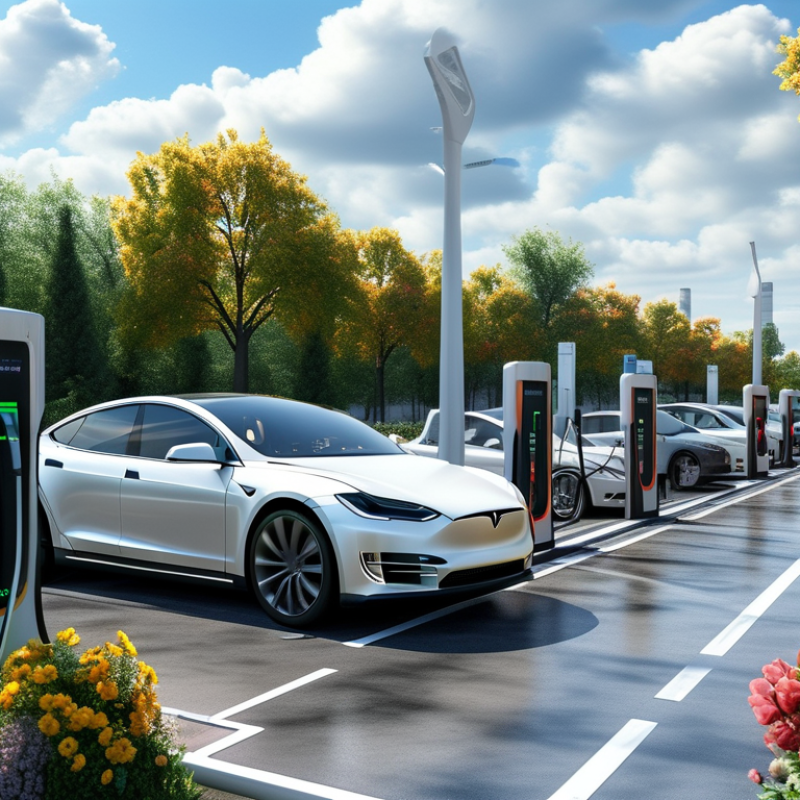
Electric vehicle (EV) fast charge stations are becoming essential for businesses. They provide quick energy replenishment for EVs, facilitating the transition to cleaner transportation. These stations can fully charge a vehicle in as little as 30 minutes. This is a game changer for long-distance travel and urban commutes alike. Businesses that invest in EV infrastructure demonstrate a commitment to sustainability and attract eco-conscious customers.
Location matters when selecting fast charge stations. High-traffic areas near shopping centers or restaurants can maximize usage. Offering amenities while customers wait for their vehicles to charge can enhance the experience. However, installation costs and technical challenges can deter some businesses. Not all locations have the required electrical capacity, which can lead to delays and additional expenses.
Some businesses may also struggle to educate their staff about operating these stations efficiently. Staff training is crucial for resolving customer issues and ensuring smooth operations. Providing clear signage and accessible information is equally important. Beyond convenience, fast charge stations represent a step toward a greener future. Each charge not only fuels a vehicle but also supports a broader shift in environmental responsibility.
Criteria for Choosing the Best Charging Stations
When selecting an EV fast charging station, several key criteria come into play. One major factor is the station's charging speed, measured in kilowatts (kW). According to the U.S. Department of Energy, stations offering at least 150 kW can significantly reduce charge time, making them effective for busy commercial locations. Stations with varying power outputs accommodate different vehicle types, ensuring accessibility for a wider range of users.
Another important criterion is the station's location. Proximity to high-traffic areas increases utilization rates. A study by the International Council on Clean Transportation highlights that 85% of EV drivers prefer stations within a mile of major highways. Furthermore, user experience plays a crucial role. Charging stations should be equipped with user-friendly interfaces, clear signage, and sufficient amenities nearby, like restrooms and food options.
Finally, the overall reliability of the charging station cannot be overlooked. Data from the Transportation Research board indicates that stations with higher uptime significantly enhance customer satisfaction. Businesses must also consider the long-term maintenance and operational costs associated with these stations. Adopting a model that minimizes downtime while maximizing user convenience will prove beneficial in the evolving EV landscape.
Top 10 EV Fast Charge Stations for Businesses
As electric vehicle (EV) adoption rises, businesses need to consider the importance of fast charging stations. According to a report from the International Energy Agency, EV sales grew by over 40% in 2021. Fast chargers support this growth by providing quick access to energy, making EVs more convenient for users. Businesses installing these stations can attract new customers and meet the evolving needs of a sustainable market.
One crucial aspect of fast charge stations is their locations. Research indicates that nearly 60% of EV owners prefer charging during shopping or dining. Stations situated near high-traffic areas can enhance customer experience significantly. Furthermore, having fast charging solutions can position a business as a leader in sustainability. It demonstrates a commitment to reducing carbon footprints while being proactive about future trends in transportation.
However, businesses should be mindful of the installation costs and maintenance. Some reports show that operational challenges can arise, with 30% of charging stations experiencing downtime. Hence, investing in reliable technology and ongoing service support is essential. As the EV landscape continues to evolve, proactive measures will help businesses stay ahead and accessible in this growing industry.
Benefits of Installing EV Charging Stations
Installing EV charging stations offers various benefits for businesses. For one, they attract more customers. With an increase in electric vehicle ownership, businesses that provide convenient charging options stand out. Many drivers seek places where they can charge while shopping or dining. Studies show that EV owners are likely to spend more time and money at locations with charging facilities.
Additionally, offering charging stations can boost a company's image. It demonstrates a commitment to sustainability and environmental responsibility. Businesses that support green initiatives often gain a loyal customer base. This, in turn, can lead to positive word-of-mouth and stronger community ties. However, not every business may see immediate returns on this investment. It’s essential to research local demographics and charging needs before installation.
Furthermore, there are maintenance and operational challenges. Ensuring the stations are always functional requires attention. There can be technical issues or down times. It’s crucial to allocate resources for ongoing management. Balancing installation costs and potential customer benefits can also be difficult. Ultimately, while the advantages are notable, businesses must approach this decision carefully.
Future Trends in EV Fast Charging Infrastructure
The future of EV fast charging infrastructure is bright but complex. As electric vehicle adoption increases, the demand for fast chargers will rise. New technologies are emerging that could revolutionize charging stations. For instance, ultra-fast charging can reduce charge time to minutes instead of hours. This change could encourage more drivers to switch to electric vehicles.
However, challenges remain. Many regions still lack a sufficient network of charging stations. Accessibility and convenience are crucial for widespread adoption. Additionally, the power supply must keep up with the growing demand. Integrating renewable energy sources into charging networks will be vital. This shift not only supports the environment but also enhances grid reliability.
Investment in innovation is necessary. Smart charging technologies can optimize energy use. They can connect to real-time data, making charging more efficient. These advancements will also improve user experience. Yet, regulatory frameworks need to evolve as fast as the technology does. Stakeholders must collaborate to develop standards embracing the future of EV infrastructure.