Top 10 Ac Ev Charging Cable Options for Your Electric Vehicle Needs?
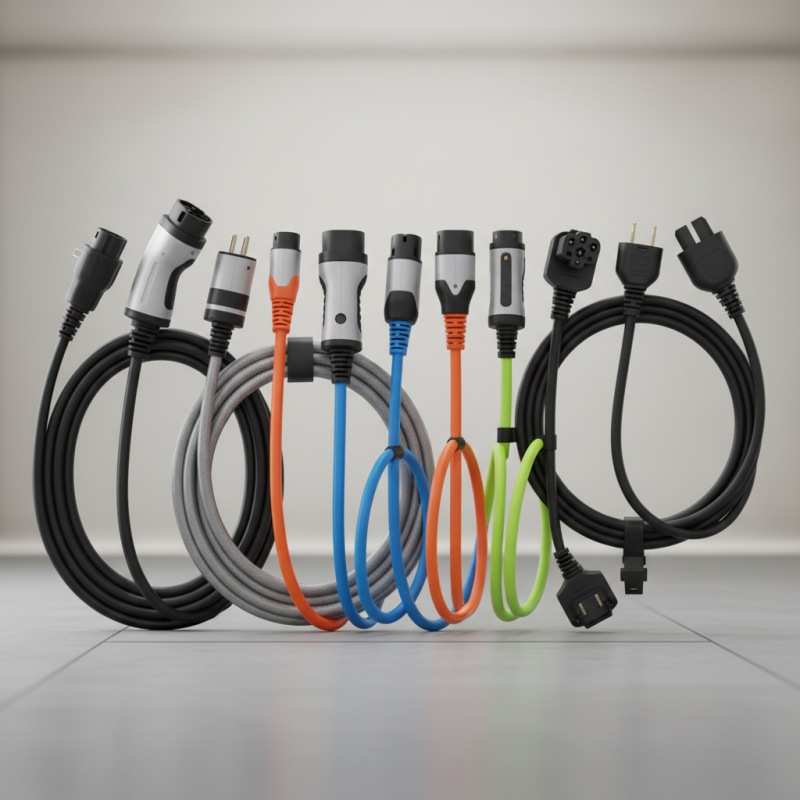
As electric vehicles gain popularity, understanding the best options for an AC EV charging cable becomes essential. Choosing the right charging cable can significantly impact your EV experience. An efficient AC EV charging cable ensures convenient charging at home or on the road.
This guide presents the top 10 options available today. Each cable varies in length, amperage, and compatibility. Factors like charging speed and durability are vital to consider. Quality matters. A reliable cable prevents overheating and ensures safety.
Your choice reflects your needs and habits. Whether commuting daily or taking long trips, the right cable can enhance your EV lifestyle. With the right information, you can make an informed decision.
Understanding the Importance of EV Charging Cables for Electric Vehicles
Electric vehicles (EVs) are becoming an integral part of our transportation landscape. Their reliance on efficient and reliable charging systems is key to their success. EV charging cables play a crucial role in this system. They connect the vehicle to the power source, allowing for smooth energy transfer. Selecting the right cable can have a significant impact on the charging experience.
Understanding the various types of EV charging cables is essential. Different cables support different charging speeds and power levels. For instance, some chargers are designed for home use, while others cater to public charging stations. It is important to consider factors such as cable length and compatibility with your EV model. A short cable may limit your options at home or when you are out and about. Compatibility issues can lead to frustrating charging experiences.
In the evolving EV market, the importance of quality charging cables cannot be understated. These cables must be durable and safe for long-term use. Cheaper options may save money initially, but might lead to issues down the line. A damaged or inefficient cable can pose safety risks and hinder vehicle performance. Being informed and cautious about your choices is paramount for a seamless charging journey.
Key Features to Consider When Choosing an EV Charging Cable
When selecting an EV charging cable, key features can significantly impact your experience. Cable length is crucial. A longer cable provides flexibility in parking options. However, consider storage space. A shorter cable is easier to manage but may limit your vehicle placement.
Connector type matters too. Different EVs may require specific connectors. Ensure compatibility with your vehicle model. Safety ratings are another essential factor. Look for cables that meet strict safety standards to minimize risks during charging.
Charging speed varies based on cable specifications. Higher amperage cables can charge your vehicle faster. However, charging speeds can be limited by your home outlet. Always check the electrical capacity before choosing a cable. While charging capabilities optimize convenience, it’s vital to balance between speed and safety. Expert guidance can help identify the right choice for your needs. Each decision impacts your overall EV experience.
Top 10 AC EV Charging Cable Options for Your Electric Vehicle Needs
| Option |
Cable Length (ft) |
Max Power (kW) |
Connector Type |
Weather Resistance |
| Standard Charge |
20 |
3.7 |
Type 1 |
Yes |
| Fast Charge |
25 |
7.2 |
Type 2 |
Yes |
| Portable Charger |
15 |
2.4 |
Type 3 |
No |
| Heavy-Duty Charge |
30 |
9.6 |
CCS |
Yes |
| Hybrid Charger |
22 |
6.6 |
Type 2 |
Yes |
| Smart Charger |
20 |
3.7 |
Type 1 |
Yes |
| Home Charger |
30 |
7.2 |
Type 2 |
Yes |
| Fleet Charger |
40 |
11.0 |
CCS |
Yes |
| Public Station |
50 |
22.0 |
CCS |
Yes |
| Ultra Fast Charger |
60 |
50.0 |
CCS |
Yes |
Top 10 Recommended AC EV Charging Cables for Efficient Charging
When choosing an AC EV charging cable, efficiency and reliability are paramount. A report from the International Energy Agency (IEA) highlights that the demand for electric vehicles (EVs) is surging, with global EV sales rising by 43% in 2020 alone. As more EVs hit the road, the need for high-quality charging cables becomes crucial.
The best AC EV charging cables should support various power levels, typically from 3.7 kW to 22 kW. Many homeowners opt for cables in the 7 kW range, striking a balance between cost and charging speed. It is advisable to consider the cable length as well. Standard lengths range from 5 to 10 meters. A longer cable offers flexibility, but it can also lead to energy loss.
While many cables claim to be weather-resistant, not all live up to expectations. A study by EVBox found that exposure to extreme temperatures can degrade cable performance over time. Users should be aware of potential issues like wear and tear from frequent use or improper storage. Investing in quality materials can prevent these problems, making it essential to do thorough research before purchase.
Top 10 Recommended AC EV Charging Cables for Efficient Charging
Comparison of Different Charging Cable Types and Their Applications
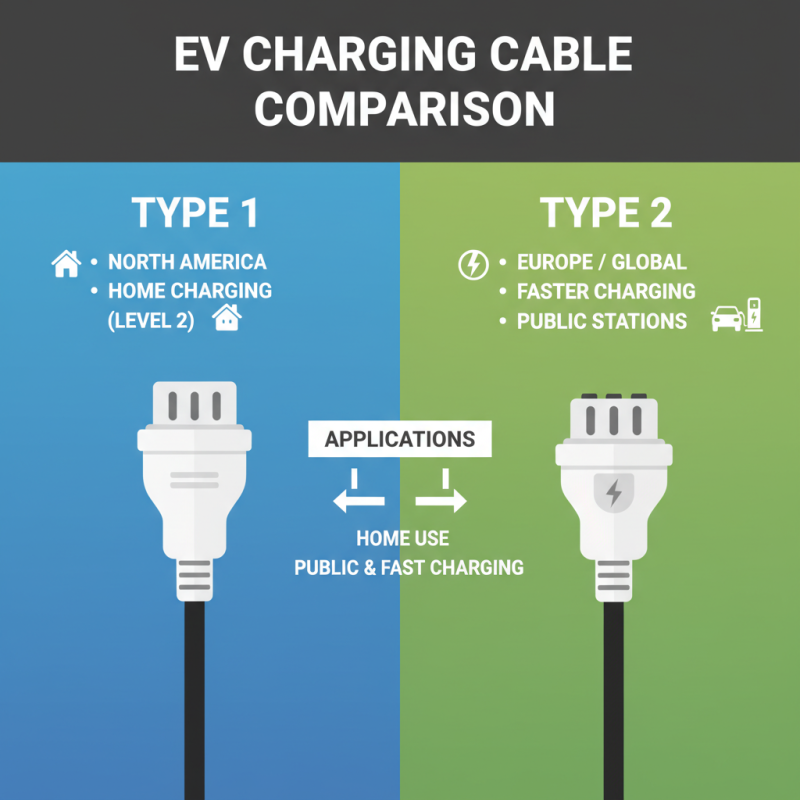
When selecting an electric vehicle (EV) charging cable, understanding the types available is crucial. There are two main categories: Type 1 and Type 2 cables. Type 1 is common in North America and uses a five-pin connector. It’s excellent for home charging but lacks the flexibility of Type 2. This European standard features a larger connector and offers higher charging speeds. This might be better for public charging stations.
Applications for these cables vary greatly. Type 1 cables often suit single-phase charging, making them ideal for residential use. However, Type 2 cables support both single and three-phase charging. That allows quicker charging at stations. Users should consider peak charging times and locations when selecting a cable. Many might overlook the need for appropriate length. A longer cable can add convenience, especially in public spaces.
It's essential to reflect on the nuances of charging needs. Some users might choose affordability over performance. In contrast, others may prioritize durability or charging speed. Evaluating personal usage patterns can guide a better choice. Each cable type carries unique advantages and limitations. Knowing these can lead to a more informed decision and improve the overall EV experience.
Maintenance Tips for Prolonging the Life of Your EV Charging Cable
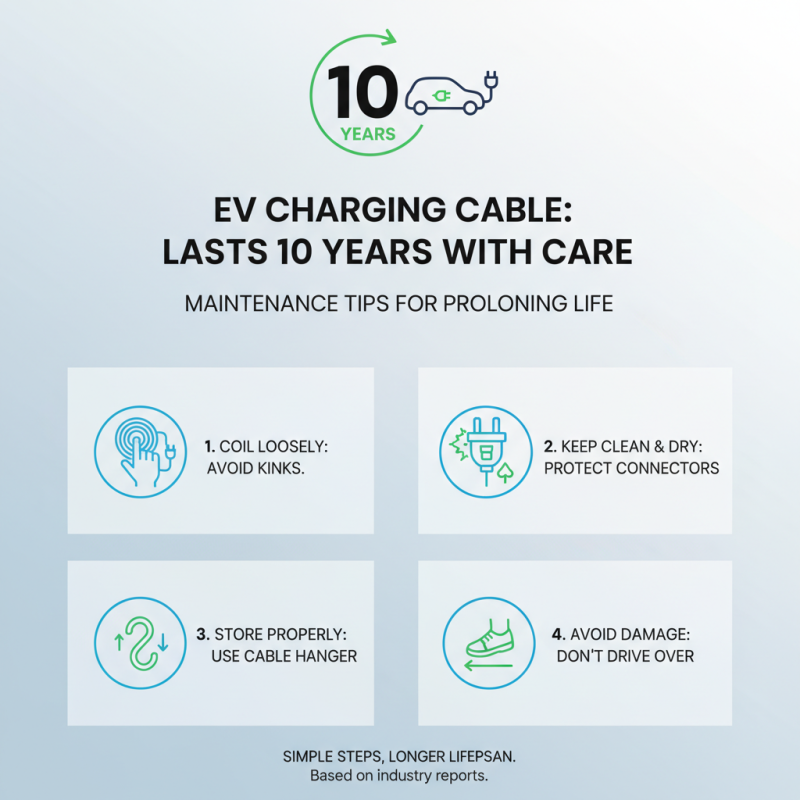
Electric vehicles (EVs) are gaining popularity, and so are EV charging cables. Proper maintenance of these cables can significantly extend their lifespan. According to industry reports, a well-maintained charging cable can last up to 10 years. However, many users overlook simple care tips.
To start, avoid sharp bends when using the cable. Sharp angles can damage the internal wiring. A cable that remains straight or loosely coiled during storage is less likely to develop faults. Furthermore, keep it clean. Dust and dirt accumulation can affect performance. Regularly check for visible signs of wear, like cracks or frayed ends. If you notice any issues, replacing the cable promptly is essential.
Temperature also affects cable longevity. Storing cables in extreme heat or cold can lead to degradation. Optimal storage conditions are typically between 50°F to 80°F. Additionally, always unplug the cable from the vehicle and wall outlet when not in use. This prevents potential damage from power surges. Many EV owners neglect these details, yet they play a crucial role in ensuring safety and efficiency.