Top 10 AC Wall EV Charge Stations for Efficient Electric Vehicle Charging
As electric vehicles continue to gain popularity, the demand for efficient charging solutions is more crucial than ever. According to Dr. Emily Carter, an expert in electric vehicle infrastructure, "The integration of AC Wall EV Charge Stations into residential and commercial environments is a vital step toward promoting sustainable transportation." This statement highlights the importance of selecting the right charging stations to ensure convenience and efficiency for EV users.
AC Wall EV Charge Stations are designed to provide homeowners and businesses with reliable, hassle-free charging options. With features like intelligent charging capabilities and compatibility with various EV models, they play a key role in the transition to electric mobility. As charging technology evolves, consumers are faced with a myriad of choices, making it essential to identify the top-performing stations that meet their specific needs.
In this article, we will explore the top 10 AC Wall EV Charge Stations that stand out for their efficiency, user-friendliness, and innovative features. By understanding these options, EV owners can make informed decisions, ensuring they choose the best charging solutions that support their lifestyle and contribute to a greener future.
Overview of AC Wall EV Charge Stations
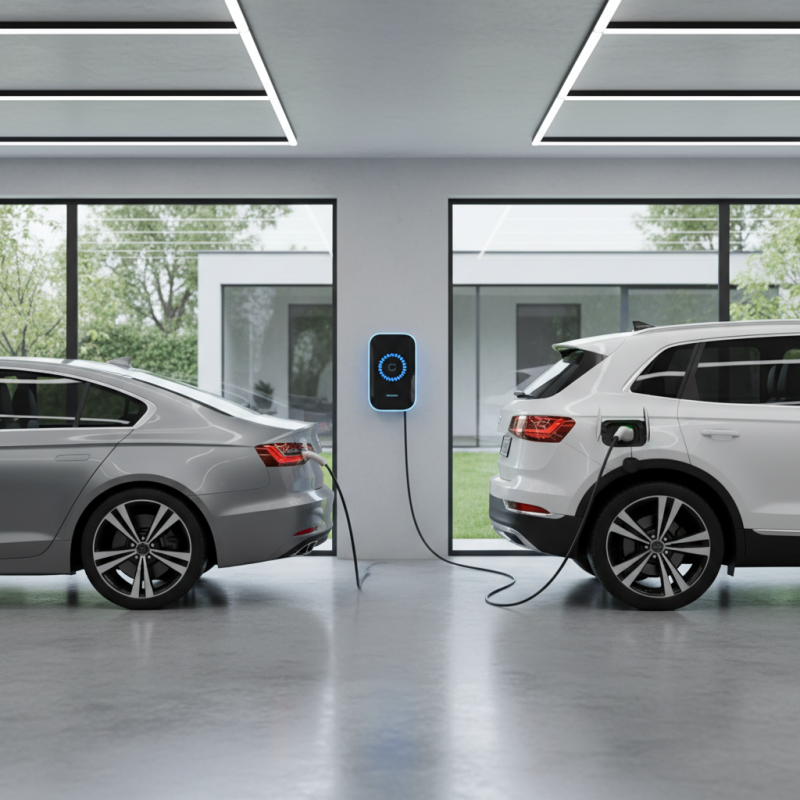
AC wall EV charge stations have become increasingly vital as the demand for electric vehicles (EVs) continues to grow. According to the International Energy Agency (IEA), the global stock of electric cars reached over 10 million in 2020, reflecting a surge in the adoption of EVs. Consequently, the need for efficient and accessible charging infrastructure has never been more critical. AC wall chargers, which typically deliver Level 2 charging, present a pragmatic solution for homeowners and businesses looking to enable seamless charging experiences.
The efficiency of AC charging stations is underscored by their ability to provide anywhere from 3.3 kW to 22 kW of charging power, significantly reducing the time required to charge an electric vehicle compared to standard Level 1 chargers. A report from the U.S. Department of Energy highlighted that a Level 2 charger can fully charge an EV overnight, making it an attractive option for daily commuters. Furthermore, a recent study indicated that up to 80% of EV charging occurs at home, emphasizing the growing trend of installing AC wall chargers in residential settings.
Moreover, the installation of AC wall chargers can increase property value, as studies show that homes equipped with EV charging capabilities are increasingly sought after in the real estate market. As more individuals consider transitioning to electric vehicles, the installation of efficient and reliable AC charging stations is not just a convenience; it is becoming a necessary investment for both home and commercial properties.
Key Features to Consider in EV Charging Stations
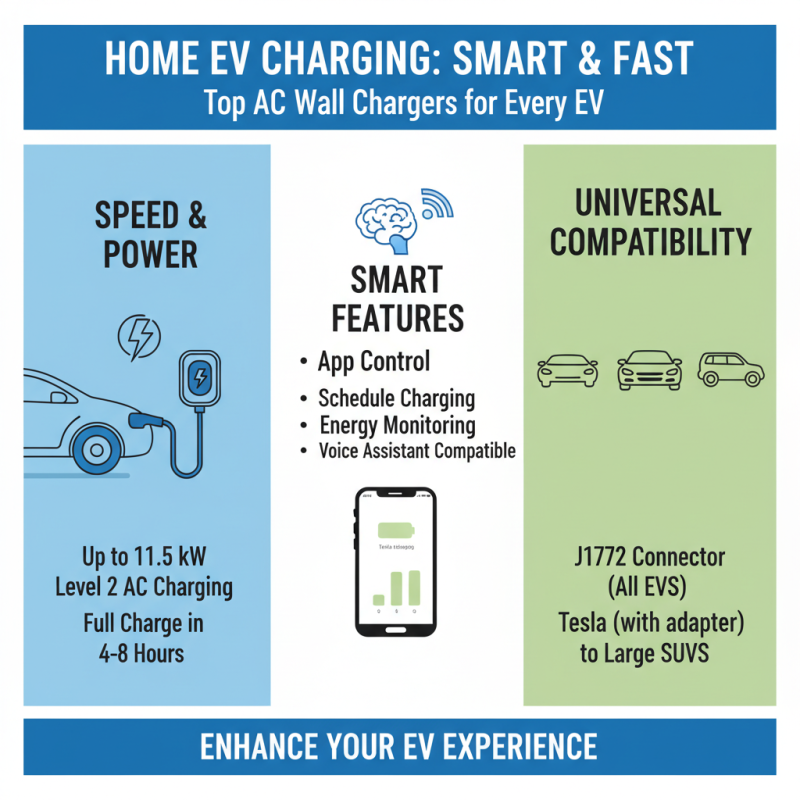
When selecting an AC wall EV charging station, several key features should guide your decision to ensure efficient and reliable charging. First, consider the power output; a higher wattage rating means faster charging times. Look for stations that offer adjustable power levels, allowing you to customize the charging speed based on your vehicle’s requirements. Additionally, compatibility with various electric vehicle models is crucial. A versatile charging station will accommodate a wide range of EVs, making it a more future-proof choice for diverse needs.
Another important aspect is the ease of installation and user interface. A charging station that features a straightforward installation process and user-friendly controls will enhance your overall experience. Accessibility options, such as mobile app integration, can provide real-time monitoring and control of charging sessions. Furthermore, safety features should not be overlooked. Look for stations equipped with protection mechanisms against overcharging, short circuits, and other electrical issues to guarantee both performance and safety during use. By evaluating these features, you can select the best charging station tailored to your electric vehicle and lifestyle.
Top 10 AC Wall EV Charge Stations - Key Features
This bar chart illustrates the key features of the top 10 AC wall EV charge stations, highlighting their charging power (kW), compatibility with EV models, installation costs (USD), and average charging time (hours). These features are critical for consumers choosing the best charging station for their electric vehicles.
Top 10 Recommended AC Wall EV Charge Stations
When it comes to charging electric vehicles (EVs) at home, having a reliable and efficient AC wall charge station is essential. In recent times, several options have emerged that not only provide fast charging solutions but also offer smart features to enhance the user experience. These recommended AC wall EV charge stations are designed to cater to various needs, whether you have a compact car or a larger SUV.
The top choices in the market typically include features such as adjustable power levels, Wi-Fi connectivity, and compatibility with multiple EV models. Many of these units boast user-friendly interfaces that allow drivers to monitor charging status and time via smartphone applications. Furthermore, safety features like over-current protection and weather-resistant designs ensure that these charge stations are both practical and secure for home use.
Investing in one of the top-rated AC wall EV charge stations can significantly reduce the time spent waiting for a full charge, making it a convenient solution for EV owners. With the rise of electric vehicles, choosing the right charging station has never been more vital to ensure efficiency and ease of use in everyday life.
Pricing and Installation Factors for EV Chargers
The cost of installing an electric vehicle (EV) charger varies significantly based on several factors, including the type of charging station, installation complexity, and location. A recent industry report indicates that the average installation cost for a Level 2 EV charger can range from $1,200 to $2,500, encompassing both equipment and labor. More complex installations, such as those requiring additional electrical work or reinforcement of existing infrastructure, can push this figure even higher. According to the U.S. Department of Energy, most residential installations take between 4 to 8 hours, highlighting the importance of selecting a qualified electrician for safe and efficient setup.
Moreover, pricing of EV chargers can also fluctuate based on regional incentives and rebates. For instance, some areas provide financial incentives that can offset the initial costs significantly, potentially reducing expenses by up to 30%. It's worth noting that the installation location plays a critical role—urban areas may present higher labor costs compared to rural zones, thus impacting the overall expense. As more homeowners transition to electric vehicles, understanding the financial implications of charger installation remains crucial, further emphasized by projected growth in EV sales, which are anticipated to reach 27% of total vehicle sales by 2030, according to recent forecasts from industry analysts.
Top 10 AC Wall EV Charge Stations for Efficient Electric Vehicle Charging - Pricing and Installation Factors for EV Chargers
| Charge Station Model |
Charging Speed (kW) |
Estimated Price ($) |
Installation Complexity |
Required Circuit (Amps) |
| Model A |
7.2 |
500 |
Moderate |
40 |
| Model B |
9.6 |
650 |
Moderate |
50 |
| Model C |
11.5 |
800 |
Difficult |
60 |
| Model D |
22 |
1200 |
Difficult |
100 |
| Model E |
7.2 |
450 |
Easy |
40 |
| Model F |
19.2 |
950 |
Moderate |
60 |
| Model G |
22 |
1300 |
Difficult |
100 |
| Model H |
11.5 |
750 |
Moderate |
60 |
| Model I |
9.6 |
600 |
Easy |
50 |
| Model J |
7.2 |
500 |
Easy |
40 |
Future Trends in Electric Vehicle Charging Technology
As electric vehicles (EVs) gain traction worldwide, the charging infrastructure is undergoing significant transformation. Industry reports indicate that the global EV charging market is expected to grow from approximately $5 billion in 2020 to over $30 billion by 2028, representing a compound annual growth rate (CAGR) of around 24%. This growth highlights the urgent need for advancements in charging technologies to accommodate increasing EV adoption.
One key trend in EV charging technology is the development of ultra-fast charging stations, which can deliver 350 kW or more, significantly reducing charging times. A report by the International Energy Agency (IEA) states that by 2030, more than 40% of all charging will be ultra-fast, driven by consumer demand for convenience and longer-range vehicles. Additionally, there is an increasing focus on integrating renewable energy sources with charging infrastructure to promote sustainability. The use of smart grids and energy management systems is projected to enhance the efficiency of EV charging, allowing for real-time data analysis and optimized energy distribution based on demand and supply fluctuations.
Multi-purpose charging solutions are also emerging, enabling charging stations to serve commercial and residential needs effectively. These systems will not only cater to varying EV models but also integrate with energy storage technologies, thereby improving grid reliability and resilience. As utilities and private sector players embrace these innovative charging solutions, the overall ecosystem is poised for a revolution, ensuring that the growth of electric vehicles aligns with the sustainability goals of the future.