Top 10 Benefits of Installing an EV Charger Station Today?
The rise of electric vehicles (EVs) has transformed urban landscapes and consumer habits, making the installation of an EV Charger Station a pressing need. According to the International Energy Agency, the global number of EVs reached 10 million in 2020, with projections soaring to over 145 million by 2030. This transition emphasizes the importance of accessible charging infrastructure in supporting the EV ecosystem. As sustainability becomes a priority, the demand for reliable charging stations continues to surge.
Industry expert Dr. Sarah Bennett has commented, “Investing in EV Charger Stations is no longer optional; it's essential for future urban development.” Her perspective underscores the urgent need for cities and businesses to adapt to changing transportation trends. The benefits of installing these stations extend beyond convenience; they include stimulating local economies, increasing property values, and promoting a greener public image.
However, while the advantages are considerable, challenges exist. Sites must be selected carefully, considering grid capacity and regional demand. Transitioning to a more electric-focused infrastructure may raise concerns about initial costs and installation hurdles. As the industry evolves, so must our strategies to ensure that these installations effectively meet both current and future needs.

Benefits of Convenient Home Charging for Electric Vehicles
Installing an EV charger at home offers numerous benefits. One of the most significant advantages is the convenience of charging. Imagine waking up to a fully charged vehicle every morning. No more trips to public charging stations during busy hours. You get to choose when and how long to charge your electric vehicle. This flexibility is especially valuable for those with hectic schedules.
Moreover, home charging increases safety and reliability. Public charging stations can sometimes be busy or out of service. Home chargers eliminate these uncertainties. You know your car is charged and ready to go. This peace of mind can enhance your daily routine.
Tips for maximizing the benefits of home charging include choosing the right charger for your vehicle and home setup. Assess your electrical capacity to avoid unexpected issues. Regularly check for software updates on your charger. This keeps it efficient and secure. Consider solar power options to supplement your charging. Not only does it save money, but it also contributes to a greener planet.
Finding a balance between convenience and cost is essential. Charging costs can add up, so monitor your usage. Look into time-of-use rates from your electricity provider. Charging during off-peak hours can further reduce expenses. Embracing home charging fully may take some adjustment, but the rewards are well worth the effort.
Top 10 Benefits of Installing an EV Charger Station Today
| Benefit |
Description |
Value |
| Convenience |
Charge your vehicle at home, no need to visit public stations. |
High |
| Cost Savings |
Lower fuel costs compared to gasoline. |
Moderate |
| Increased Property Value |
Having a charger can enhance property value. |
Yes |
| Tax Incentives |
Potential tax credits for installation costs. |
Varies |
| Environmentally Friendly |
Reduces carbon footprint associated with driving. |
High |
| Energy Independence |
Less reliance on fossil fuels. |
High |
| Home Automation |
Integration with smart home systems for monitoring. |
Yes |
| Accessibility |
Easier for electric vehicles, reducing range anxiety. |
High |
| Future-Proofing |
Preparatory steps for an electric future. |
Yes |
| Flexibility |
Options for level 1 or level 2 chargers based on need. |
Yes |
Cost Savings Through Reduced Fuel and Maintenance Expenses
Investing in an EV charger station can lead to significant cost savings. Fuel expenses for traditional vehicles are continually rising. In contrast, electric vehicle charging often costs much less. Many users report savings exceeding 50% when switching to electric. This reduction can translate into hundreds of dollars saved each year.
Maintenance costs also drop significantly with electric vehicles. They have fewer moving parts than gas-powered cars. This results in fewer repairs and less frequent service visits. Owners notice that tire wear is the most common maintenance expense. It's easier to predict and manage these costs. However, charging infrastructure requires an upfront investment, and it may feel daunting.
There can be initial hesitations about the installation process. Finding the right location for the charger is essential. Accessibility and convenience play a key role in effective use. Homeowners should consider their unique circumstances. Taking the first step towards installing an EV charger means committing to both savings and a more sustainable future.
Enhancing Property Value with Installed EV Charging Stations
Installing an EV charger station can significantly elevate your property's value. More homeowners and businesses are prioritizing sustainability. They want convenient access to electric vehicle charging. This demand creates an excellent opportunity for property owners.
Properties with installed EV charging stations often attract more buyers or tenants. People prefer homes and offices that support modern eco-friendly transportation. This feature can differentiate your property in a competitive market. Moreover, installing a charger can lead to potential tax benefits. Many local governments offer incentives for sustainability.
However, not all installations add equal value. Some locations may see minimal return on investment. Property owners should assess their market and audience. A poorly placed charger might not attract drivers. Conducting research is essential before making a decision. Taking calculated steps ensures the enhancement of property value aligns with demand.
Contributing to Environmental Sustainability and Reduced Emissions
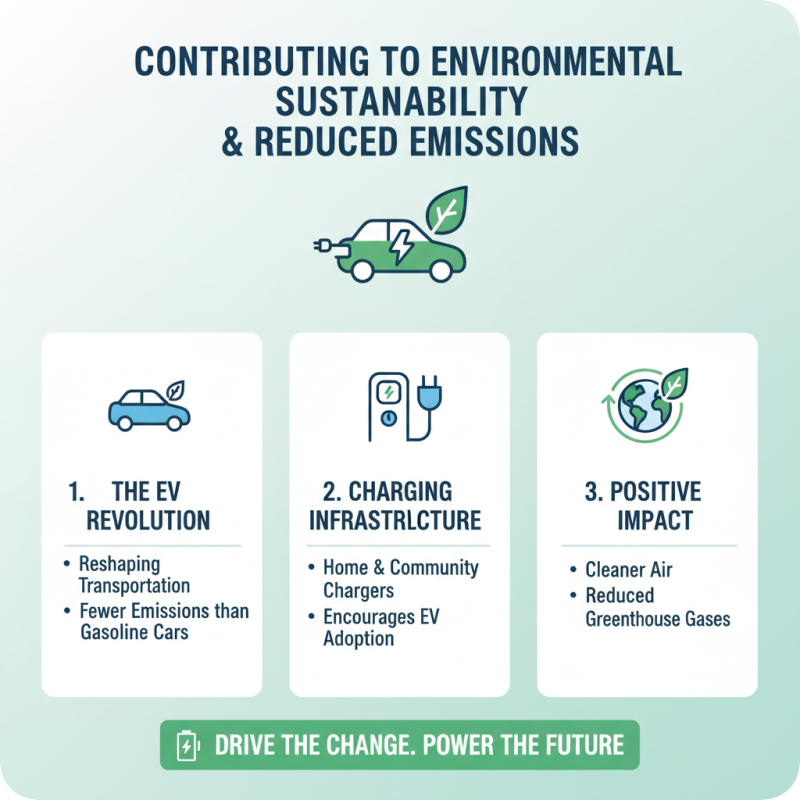
The rise of electric vehicles (EVs) is reshaping our transportation landscape. Installing an EV charger station at home or in community spaces contributes significantly to environmental sustainability. EVs produce fewer emissions compared to traditional gasoline vehicles. By facilitating charging infrastructure, we are encouraging more people to make the switch. This shift can lead to cleaner air and a reduction in global greenhouse gases.
However, the transition is not without challenges. Not every neighborhood has easy access to charging stations. Some individuals might worry about the inconvenience of charging times. Educating the public about the benefits and functionality of EV chargers is vital. It can help alleviate fears and misunderstandings. Moreover, not all charging solutions are equally efficient. It is important to consider power sources when evaluating the emissions impact.
Embracing EVs requires a collective effort. Local governments, businesses, and citizens must collaborate. This conversation needs to focus on how we can make charging more accessible to everyone. Innovative solutions, such as solar-powered chargers, can provide sustainable options. The journey to a greener future is ongoing, and each step counts. Together, we can harness the full potential of electric vehicles for a sustainable tomorrow.
Staying Ahead of Government Incentives and Financial Benefits for EV Users
The rise of electric vehicles (EVs) has transformed the transportation landscape. Installing an EV charger station at home is becoming increasingly beneficial. Government incentives are a key reason to take action now. Many regions offer tax credits for installing charging equipment. This can significantly reduce upfront costs, making EV ownership more affordable.
Financial benefits extend beyond rebates. Homeowners may qualify for discounted electricity rates with a dedicated charger. Some utilities even provide grants for installation. These opportunities can enhance savings over time. However, navigating these incentives can be overwhelming. Staying informed about changing policies is crucial. Researching local and federal programs ensures you make the best decisions.
While EVs promise savings and sustainability, not every charger setup is perfect. Some homeowners find installation costs higher than anticipated. Others face logistical challenges with their electrical systems. Reflecting on personal needs and the local infrastructure is vital. Balancing convenience with cost will maximize both benefits and efficiency, making the investment worthwhile.
Top 10 Benefits of Installing an EV Charger Station Today
This chart illustrates the top benefits of installing an EV charger station today, ranked on a scale from 1 to 10. Government incentives and convenience score the highest, highlighting the financial advantages and ease of use for electric vehicle users.