
Leave Your Message
Wall Mounting EV Charge Station

Wall Mounting EV Charge Station

China Top 10 EV Charger Manufacturers for Global Buyers

Choosing an Ev Charger manufacturer is not simply a matter of comparing prices. Global buyers must examine charging speed, connector standards, software stability, weather protection, warranty support, and production consistency. A charger installed beside a busy highway faces heat, dust, rain, voltage variation, and repeated daily use. A model that performs well in a showroom may struggle in a public charging network.

This guide introduces China’s top 10 EV charger manufacturers for international buyers. The selection considers manufacturing experience, testing practices, product range, export capability, technical support, and customer feedback. It also considers practical details, including cable durability, screen visibility under strong sunlight, remote fault diagnosis, and spare-parts availability. These details often determine whether a charging station remains useful after installation. As Claas Bracklo, a former CharIN Executive Board member, has emphasized, “Interoperability is the key to making electric mobility accessible to everyone.” That principle matters because hardware alone cannot guarantee a reliable charging experience.

The ranking is not absolute. Buyer priorities differ. A fleet operator may value uptime and load management, while a property developer may focus on compact design and installation cost. Some manufacturers offer impressive specifications but limited overseas service. Others appear less advanced yet provide stronger project support. This guide may not capture every regional strength, and that limitation deserves attention. Independent verification remains necessary before signing a contract. Readers should request test reports, certifications, reference projects, and clear after-sales terms. The best Ev Charger partner is not always the largest factory. It is the supplier that can deliver safely, consistently, and transparently in the buyer’s actual market.
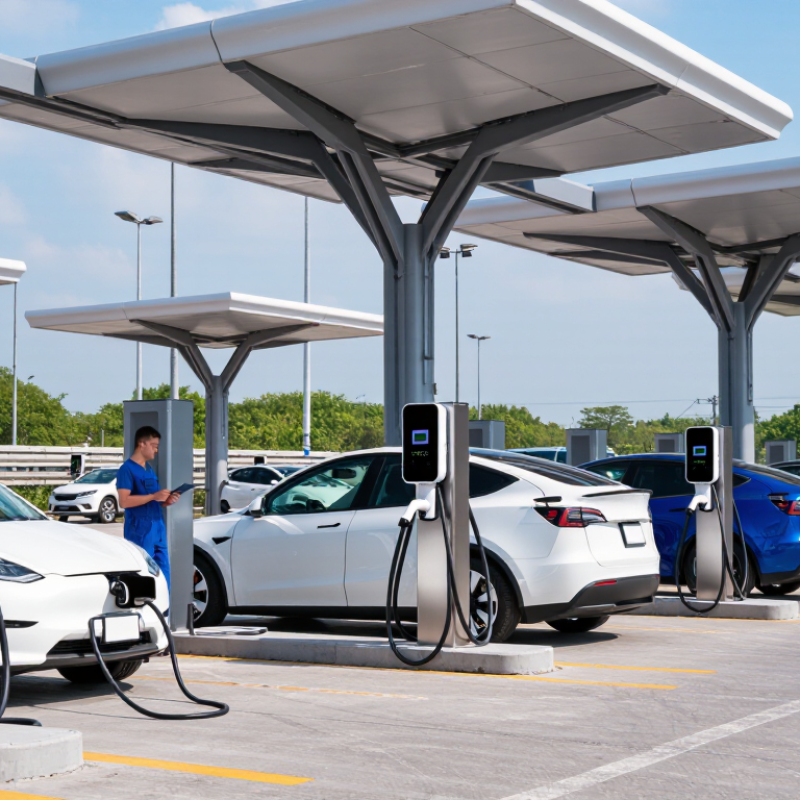
China Top 10 EV Charger Manufacturers for Global Buyers

Understanding China’s EV Charging Industry and Global Market Role

China’s EV charging industry has grown from domestic deployment into a major export supply base. Its strength comes from dense manufacturing networks, electronics expertise, and fast product iteration. Suppliers produce AC wall boxes, DC fast chargers, liquid-cooled systems, and charging cabinets for fleet sites. This range supports different climates, vehicle platforms, and operating models. Yet scale alone does not prove reliability.

For global buyers, technical review should begin with output stability, connector compatibility, enclosure protection, and software integration. Independent testing matters, especially for thermal performance, insulation, electromagnetic compatibility, and repeated charging cycles. A factory visit can reveal cable handling, assembly discipline, and quality records more clearly than a sales presentation. Documentation is equally important. Buyers should request installation manuals, test reports, spare-parts plans, and warranty procedures before signing contracts.

China’s global market role is also shaped by standards and localization. Export-ready equipment may require different plugs, payment systems, grid connections, languages, and certifications. Local partners often manage permitting, installation, maintenance, and response times. This part is sometimes underestimated. A technically strong charger can still underperform if service coverage is weak. I have found that long-term projects depend less on the lowest quotation than on transparent testing and measurable support commitments. That view is not absolute; smaller buyers may reasonably prioritize simpler hardware and shorter deployment schedules. Still, each project needs evidence, not assumptions.

Key Criteria for Selecting Leading EV Charger Manufacturers

Selecting among China’s top EV charger manufacturers requires more than comparing prices and charging speeds. Experienced buyers inspect product quality, engineering depth, and service reliability. Ask for test reports covering electrical safety, temperature performance, water resistance, and electromagnetic compatibility. A charger installed beside a coastal road needs stronger corrosion protection than one used in a dry warehouse.

Field evidence matters. Request installation photos, failure-rate data, and references from projects with similar climates and traffic levels. Examine the enclosure, cable flexibility, connector durability, and screen readability in direct sunlight. Verify support for open communication protocols, remote diagnostics, load balancing, and secure software updates. These features reduce downtime when several vehicles charge at once.

Ask for proof. Manufacturing audits can reveal weak quality controls that brochures hide. Check whether the supplier tests every unit or only samples from each batch. Confirm spare-parts availability, response times, warranty terms, and technician training. Regional certifications and grid requirements should match the destination market, not merely the factory’s domestic standards. A low purchase price may become expensive after shipping delays, software faults, or repeated service visits. No supplier is perfect. I would still expect clear limitations, transparent test records, and a realistic maintenance plan before signing a contract.

China Top 10 EV Charger Manufacturers for Global Buyers - Key Criteria for Selecting Leading EV Charger Manufacturers
Anonymized supplier comparison based on commonly documented product specifications, international compliance requirements, and buyer-verifiable export criteria. Manufacturer and brand names are intentionally omitted.
No. Anonymous Manufacturer Profile Typical Product Range Charging Standards Cloud & OCPP Support Safety & Ingress Protection Common Export Certifications Typical Warranty OEM/ODM Capability International Market Focus Key Buyer Verification Documents
1 Profile A
High export readiness
AC: 7–22 kW
DC: 60–240 kW
IEC 61851-1 IEC 62196-2 IEC 62196-3 OCPP 1.6J
Selected models support OCPP 2.0.1
Remote monitoring available
IP54–IP65
Overcurrent, overvoltage, leakage, and surge protection
CE, RoHS, EMC and LVD documentation; regional approval may vary by model 24–36 months Housing color, logo, cable length, user interface, and software configuration Europe, Southeast Asia, Middle East, Latin America Factory audit, CE reports, EMC/LVD test reports, sample test, warranty policy
2 Profile B
Strong commercial portfolio
AC: 3.7–22 kW
DC: 30–180 kW
IEC 61851 IEC 62196 DIN 70121 OCPP 1.6J
API integration for third-party platforms
SIM and Ethernet options
IP55–IP65
Temperature, short-circuit, and residual-current protection
CE and RoHS commonly available; local grid compliance requires confirmation 24 months Front-panel design, display language, payment integration, and communication module Europe, Australia, Africa, Gulf markets Type-test reports, production inspection records, software API documentation
3 Profile C
Broad AC/DC coverage
AC: 7–43.5 kW
DC: 20–360 kW
IEC 61851-1 IEC 62196-2 IEC 62196-3 OCPP 1.6J
OCPP 2.0.1 on selected systems
Load management supported
IP54–IP66
Emergency stop, insulation monitoring, and thermal protection
CE, RoHS, EMC and LVD files typically offered for applicable products 24–36 months High; supports cabinet layout, branding, firmware settings, and connector options Europe, North America through approved configurations, Asia-Pacific Electrical drawings, thermal test results, component list, factory quality records
4 Profile D
Smart charging specialist
AC: 7–22 kW
DC: 30–120 kW
IEC 61851-1 IEC 62196-2 ISO 15118 readiness OCPP 1.6J
Dynamic load balancing
RFID, app, and QR-code access
IP55–IP65
Residual-current detection and controlled restart functions
CE, RoHS, EMC and LVD documentation available for export models 24 months Medium to high; firmware, interface language, casing, and backend connection options Residential, workplace, fleet, and destination charging markets Cloud architecture description, cybersecurity controls, OCPP test results, pilot data
5 Profile E
Cost-efficient mass production
AC: 3.7–22 kW
DC: 20–60 kW
IEC 61851 IEC 62196 Modbus OCPP 1.6J on networked versions
4G, Ethernet, and Wi-Fi options
IP54–IP65
Basic electrical protection and programmable current control
CE and RoHS commonly available; certification scope must be checked by SKU 12–24 months Medium; standard platforms allow exterior and communication customization Residential, small commercial, and private fleet projects Bill of materials, sample inspection report, production capacity statement, spare-parts list
6 Profile F
Fleet charging orientation
AC: 11–22 kW
DC: 60–240 kW
IEC 61851-1 IEC 62196-3 DIN 70121 OCPP 1.6J
Fleet load scheduling
Remote diagnostics and transaction records
IP55–IP65
Surge protection, connector temperature monitoring, and emergency stop
CE, EMC, LVD and RoHS documentation commonly supplied 24–36 months Medium; supports fleet software integration and cabinet configuration Logistics, bus, depot, and commercial fleet projects Efficiency curves, duty-cycle test, maintenance plan, MTBF data, service response terms
7 Profile G
Compact public-charging design
AC: 7–22 kW
DC: 30–160 kW
IEC 61851 IEC 62196-2 IEC 62196-3 OCPP 1.6J
RFID, mobile app, and contactless payment-ready options
IP54–IP65
Anti-corrosion enclosure options and cable protection
CE, RoHS, EMC and LVD records for applicable configurations 24 months High; display, payment interface, enclosure graphics, and cable management Retail, hotels, parking facilities, and municipal charging Ingress-protection test, corrosion test, payment integration record, installation manual
8 Profile H
High-power DC capability
AC: 11–22 kW
DC: 120–480 kW
IEC 61851-1 IEC 62196-3 ISO 15118 readiness OCPP 1.6J
Selected OCPP 2.0.1 systems
Power sharing and charging reservations
IP55–IP66
Liquid-cooling options, insulation monitoring, and surge protection
CE, RoHS, EMC and LVD documentation; project-specific grid approvals may apply 24–36 months Medium; power modules, cabinet layout, connector length, and software integration Highway corridors, charging hubs, and energy-service projects Power-module test data, efficiency at different loads, cooling-system validation, service SLA
9 Profile I
Residential and workplace focus
AC: 3.7–22 kW
DC: Not normally the primary product line
IEC 61851-1 IEC 62196-2 IEC 62955 where applicable OCPP 1.6J on connected models
Wi-Fi, Bluetooth, Ethernet, and 4G options
IP54–IP65
RCBO/RCD compatibility, overtemperature and earth-fault protection
CE, RoHS, EMC and LVD documentation for relevant products 24 months High for casing, cable, plug configuration, language, and app interface Homes, offices, apartments, and small commercial sites Safety test reports, installation guide, firmware update policy, user-data protection policy
10 Profile J
Project-based integrated supplier
AC: 7–22 kW
DC: 60–240 kW
IEC 61851 IEC 62196 Modbus TCP OCPP 1.6J
Energy-management integration
Solar and battery coordination options
IP55–IP65
Surge, leakage, overcurrent, and thermal protection
CE, RoHS, EMC and LVD documents typically available by product configuration 12–24 months High; supports system integration, cabinet design, energy management, and branding Renewable-energy sites, commercial buildings, microgrids, and fleets System architecture, integration protocol, commissioning plan, acceptance-test procedure
Buyer note: Output power, connector type, certification scope, warranty period, and communication functions can vary by model and destination market. Buyers should verify the exact SKU, applicable regional standards, factory test reports, after-sales service coverage, and field references before signing a purchase agreement.

Profiles of the Top 10 Chinese EV Charger Manufacturers

China’s leading EV charger manufacturers serve different buyer needs, from compact wall units to high-power public systems. One manufacturer focuses on residential AC chargers with weather-resistant housings and simple mobile control. Another specializes in workplace charging, using load balancing to prevent sudden power demand. A third develops DC fast chargers for highway sites, where cable cooling and service access matter.

Several manufacturers build modular equipment for commercial fleets. Their systems can support overnight charging for delivery vans and scheduled power sharing.

One profile stands out for solar-ready chargers, which can connect with battery storage and local energy controls. Another concentrates on compact designs for apartments, where parking space and electrical capacity remain limited.

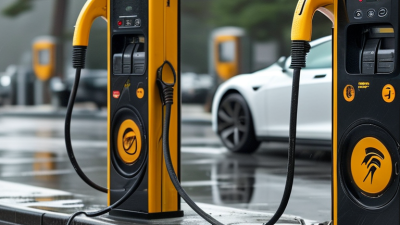
Some companies offer pedestal units with dual sockets, clear status lights, and replaceable cable assemblies. Small details matter.

The strongest manufacturers usually provide testing records, installation guidance, and responsive technical support. Buyers should examine connector standards, operating temperatures, enclosure ratings, warranty terms, and software compatibility. Factory audits can reveal more than polished brochures. Ask for sample units and service procedures. Real performance may differ. A charger that looks impressive can still be awkward to repair. One manufacturer may offer lower purchase costs but weaker after-sales coverage. Another may charge more for stronger documentation and spare-parts planning. Independent testing, local installer feedback, and pilot projects help buyers compare these ten profiles with fewer assumptions.

Comparing Charger Types, Standards, Features, and Applications

China’s EV charger manufacturers serve diverse global needs, from home wall boxes to highway charging hubs. Buyers should compare charger types before comparing prices. AC chargers suit overnight parking and lower installation costs. DC fast chargers deliver higher power for fleets, highways, and busy commercial sites. Power ratings vary widely, so vehicle compatibility must be checked carefully.

Standards affect every connection. GB/T remains important in China, while CCS, CHAdeMO, and Type 2 support different international markets. Some suppliers offer multi-standard equipment, but adapters can reduce convenience and create extra inspection points.

OCPP support helps operators connect chargers with monitoring and payment platforms. It is useful, not magic. Firmware quality still matters.

Practical features often decide long-term value. Look for load balancing, remote diagnostics, thermal protection, weather resistance, and clear status displays. A coastal depot may need stronger corrosion protection than an indoor parking garage.

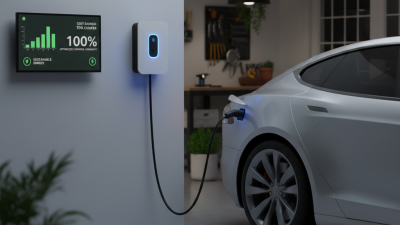
Fleet operators should examine cable length, maintenance access, and peak-load behavior. Residential users may prefer compact units with scheduled charging.

In field evaluations, installation support and replacement-part availability can matter more than a small efficiency difference. No specification is perfect.

A charger with impressive power may perform poorly when the grid is weak, temperatures fall, or several vehicles charge together. Buyers should request test reports, warranty terms, communication details, and local service arrangements before selecting a supplier.

Evaluating Suppliers, Certifications, Pricing, and Export Support

Choosing among China’s top 10 EV charger manufacturers requires more than comparing factory photos and catalog prices. Global buyers should verify production experience, quality controls, and after-sales responsiveness. Ask for recent test reports, not only polished certificates. Relevant documents may include CE, UKCA, CB, or regional approvals, depending on the destination market. ISO 9001 can indicate process discipline, but it does not guarantee every charger performs well. Request samples and review firmware, enclosure protection, cable quality, and thermal performance.

Pricing should be separated into clear parts: charger hardware, software fees, packaging, testing, freight, and spare parts. A low quotation may exclude installation support or communication protocols. Export experience matters too. Check whether the supplier understands customs documents, labeling rules, plug standards, and local grid requirements. Ask for a written warranty with response times. Vague promises are costly.

Tips: Compare three detailed quotations using the same specifications. Test one sample for several weeks. Require serial-number tracking and inspection records. Also, confirm who handles defective units after delivery. A supplier may communicate quickly before payment, then respond slowly later. That risk deserves attention. Do not rely on one successful video call. Some buyers overlook language barriers, time zones, and software ownership. These small gaps can delay a shipment or complicate maintenance. Reliability is proven through records, testing, and consistent support.