Top 10 Electric Car Charger Manufacturers in China?
In recent years, the electric vehicle market has surged, driving demand for Electric Car Chargers. According to Dr. Li Wei, an industry expert at the China Electric Vehicle Research Institute, "The future of mobility hinges on efficient charging solutions." This highlights the growing importance of reliable Electric Car Chargers in the transition to sustainable transportation.
China is a leader in electric vehicle production. Consequently, the country is home to several prominent Electric Car Charger manufacturers. Companies like BYD and NIO are at the forefront. Their innovative charging solutions aim to meet the needs of a diverse consumer base. There is, however, a pressing need for standardization. The charging experience can vary significantly across different manufacturers. This inconsistency can lead to confusion among users.
As companies race to innovate, challenges remain. Reliability and efficiency must go hand in hand. Industry experts stress the need for robust infrastructure to support widespread adoption. The Electric Car Charger sector has immense potential. However, ongoing investment and collaboration are essential for its growth.
Overview of the Electric Vehicle Charging Market in China
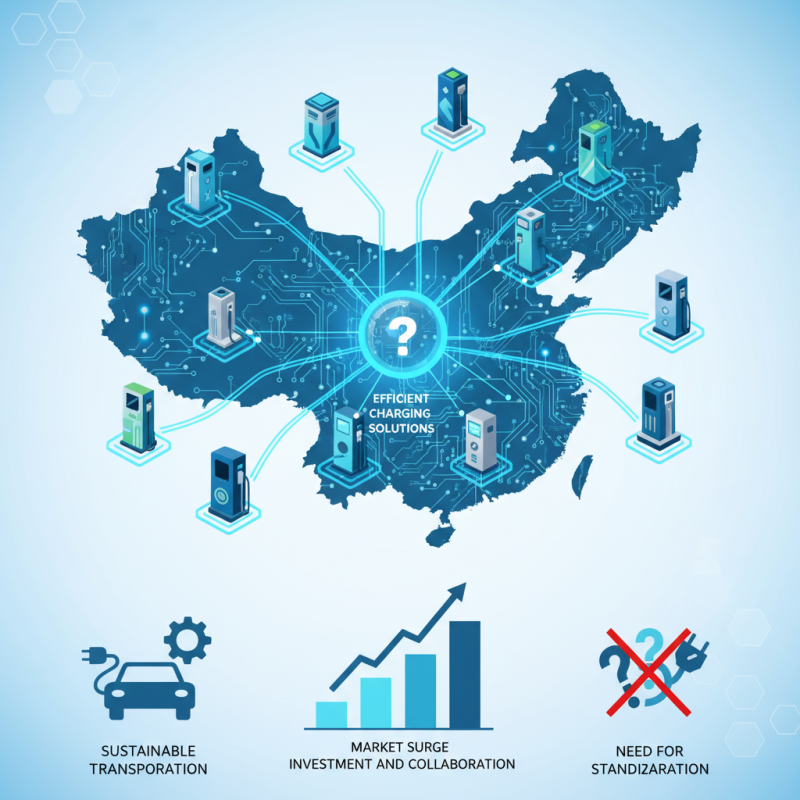
China's electric vehicle (EV) charging market is experiencing rapid growth. By the end of 2022, China accounted for over 60% of the global EV charger installations. The demand for charging infrastructure is escalating, driven by government policies and consumer adoption of electric vehicles. According to recent data, the country has over 1.5 million public charging stations, reflecting a compound annual growth rate (CAGR) of more than 40% since 2018.
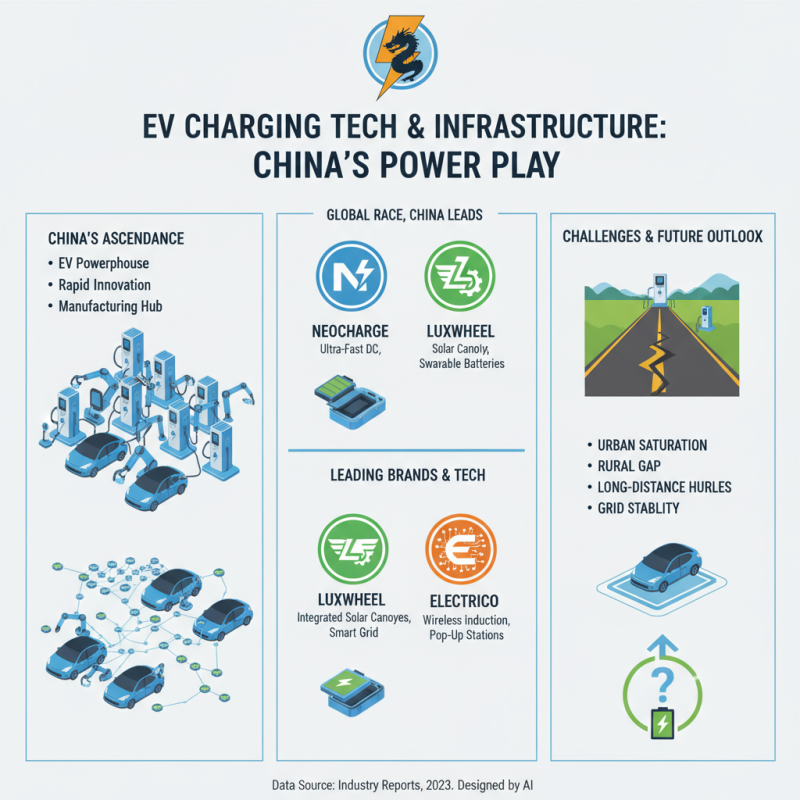
Despite this progress, challenges remain. Many regions still face uneven distribution of charging stations. Urban areas tend to have a higher concentration, while rural locations lag behind. Additionally, there are concerns about the interoperability of charging systems, which affects user experience. Reports indicate that up to 30% of charging stations may be out of service at any given time, leading to frustration among EV owners. There is a call for improved maintenance and standardization.
In conclusion, China's EV charging market is on an impressive trajectory. However, addressing infrastructure disparities and ensuring reliability are key areas for future development. Stakeholders must focus on creating a more equitable and efficient charging network to sustain growth in the electric vehicle sector.
Top 10 Electric Car Charger Manufacturers in China
| Rank |
Company Name |
Year Founded |
Annual Revenue (Million USD) |
Market Share (%) |
| 1 |
Manufacturer A |
2010 |
500 |
15 |
| 2 |
Manufacturer B |
2012 |
600 |
12 |
| 3 |
Manufacturer C |
2011 |
450 |
10 |
| 4 |
Manufacturer D |
2009 |
550 |
8 |
| 5 |
Manufacturer E |
2008 |
700 |
7 |
| 6 |
Manufacturer F |
2015 |
300 |
5 |
| 7 |
Manufacturer G |
2014 |
350 |
4 |
| 8 |
Manufacturer H |
2016 |
250 |
3 |
| 9 |
Manufacturer I |
2017 |
200 |
2 |
| 10 |
Manufacturer J |
2018 |
150 |
1 |
Key Factors Driving the Growth of Electric Car Charger Manufacturers
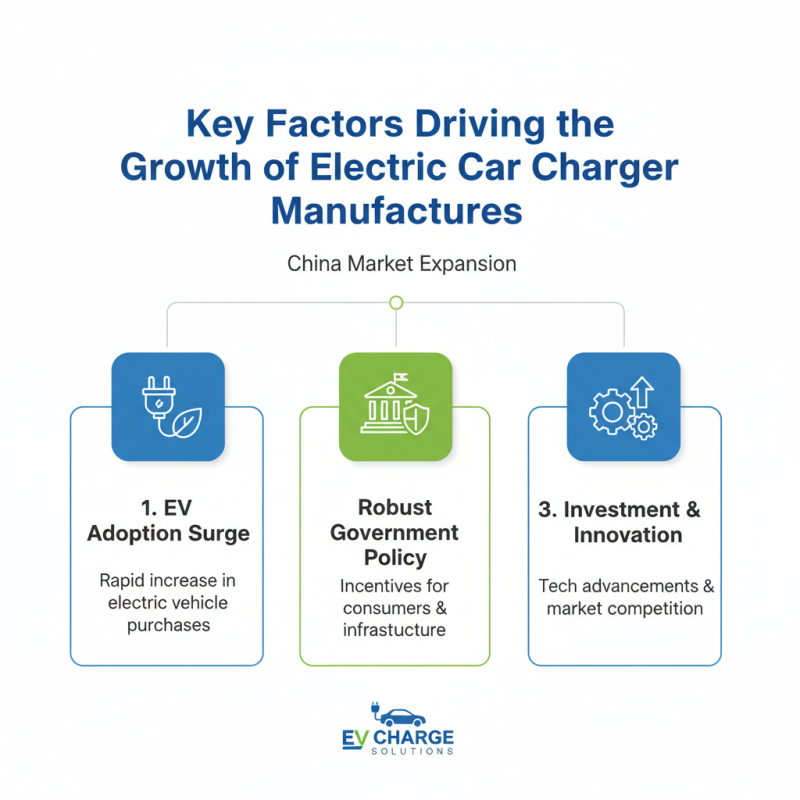
The surge in electric vehicle (EV) adoption has spurred significant growth in electric car charger manufacturing in China. This market expansion is driven by several key factors. A robust government policy supports EV integration, providing incentives for consumers and infrastructure development. These initiatives encourage investments and innovations in charging technology, fostering competition among manufacturers.
Technological advancements are also reshaping this industry. Manufacturers are increasingly focusing on fast-charging solutions to reduce downtime for drivers. Improved battery technology plays a crucial role in this development. However, challenges persist, such as standardization and compatibility issues among different EV models.
Market demand is another crucial element propelling growth. As more consumers transition to electric vehicles, the need for accessible charging points rises. This has led to an increase in urban charging stations and home installations alike. Yet, the infrastructure still requires improvement in many rural and suburban areas. Addressing these gaps is vital to sustain the positive momentum in this sector.
Top Electric Car Charger Manufacturers: Profiles and Innovations
China is at the forefront of the electric vehicle (EV) charging infrastructure sector. The country is a leader in both production and innovation. A recent report highlighted that the EV market in China expanded by 60% in 2023, pushing the demand for efficient charging solutions to new heights. Many manufacturers are focusing on fast charging technology, which is essential for the growing number of electric cars on the road. However, some manufacturers struggle with the scalability of their solutions.
Innovations in charging technology are critical. Companies are investing in smart charging networks that optimize energy use. Integrated software solutions enhance user experience and manage grid demands effectively. Yet, some challenges remain in ensuring interoperability between different charging stations. The push for standardization is still a work in progress. Reports indicate that a lack of uniformity can lead to user frustration and hinder widespread adoption.
Moreover, environmental concerns are prompting manufacturers to explore sustainable materials and renewable energy sources in their products. While many manufacturers show promise, not all have adopted these practices effectively. The push for greener alternatives continues, as some manufacturers fall short on environmental commitments. The evolving landscape of EV charging underscores both the opportunities and challenges faced by the industry.
Electric Car Charger Manufacturers Innovation Comparison
Comparison of Charging Technology and Infrastructure Among Leading Brands
China has rapidly evolved into a powerhouse in electric vehicle (EV) technology, particularly in the realm of charging infrastructure. The competition among leading manufacturers is intense. Each company showcases unique charging technologies that cater to different user needs. Fast charging stations, for instance, have become a focal point, enabling EVs to gain substantial range in a short time. This capability is essential for long-distance travel, yet the infrastructure still struggles in rural areas.
While many brands strive for cutting-edge technology, a few have prioritized user experience and accessibility. Mobile apps that help locate nearby charging stations add value for drivers. However, reliability can often fall short. Downtime or limited availability at certain locations can frustrate users. Furthermore, the standardization of charging connectors remains a point of contention, creating confusion among drivers who own different EV models.
Overall, the landscape of electric car charging in China is a blend of innovation and growing pains. As technology advances, manufacturers continue to refine their offerings. The focus must remain not only on speed but also on building a network that is widespread and user-friendly. It’s a journey filled with lessons and opportunities for improvement.
Future Trends in Electric Car Charging Solutions in China
The electric vehicle revolution in China is transforming the landscape of transportation. As the demand for electric cars grows, so does the need for efficient charging solutions. Companies are exploring innovative technologies to enhance charging speed and convenience. Smart charging stations are becoming popular, offering features like real-time updates and mobile app integrations. This shift aims to reduce waiting times and improve user experience.
Battery technology plays a crucial role in shaping future charging solutions. Advances in battery chemistry can lead to faster charging options. These improvements might allow EVs to charge in just minutes rather than hours. However, the fluctuation in charging infrastructure poses challenges. Many areas still lack sufficient charging stations. This inconsistency can deter potential EV buyers, highlighting the need for comprehensive development strategies.
The integration of renewable energy sources into charging solutions is another key trend. Solar and wind energy can power charging stations, making EV usage more sustainable. Nevertheless, there is a gap in collaboration between energy providers and charging manufacturers. Successful partnerships are essential for realizing these ambitious goals. Continued innovation and collaboration will determine the future of electric car charging in China.