China Top Electric Car Recharge Stations for Global Buyers?
As the demand for electric vehicles skyrockets, the availability of Electric Car Recharge Stations becomes crucial. According to Dr. Emily Chang, a leading expert in the renewable energy sector, “A robust network of charging stations is key to making electric cars mainstream.” This statement underscores the importance of well-placed charging infrastructure.
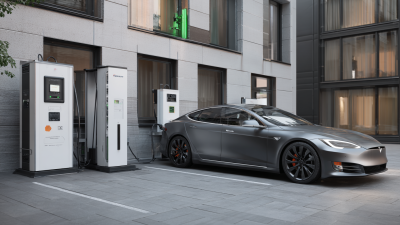
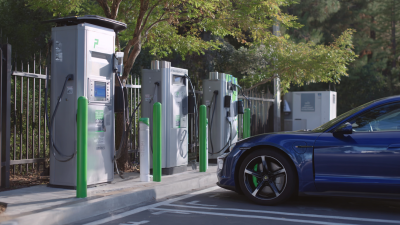
China is rapidly expanding its network of Electric Car Recharge Stations, making it a focal point for global buyers. Cities like Shanghai and Beijing are leading the way, with innovative solutions and strategic planning. Despite this growth, challenges remain. Many stations can experience overcrowding, which hinders the user experience.
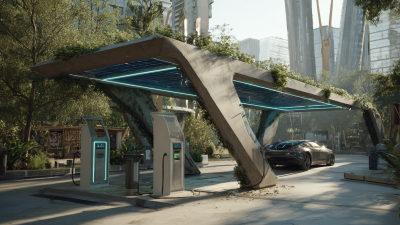
Investments in technology and design are vital. Creating convenient and efficient Electric Car Recharge Stations is essential for future growth. These improvements will foster a culture that embraces electric vehicles. However, the question of whether these stations can keep pace with the growing number of electric cars remains. Addressing these issues will determine the success of this transformation.
China's Electric Car Charging Infrastructure Overview
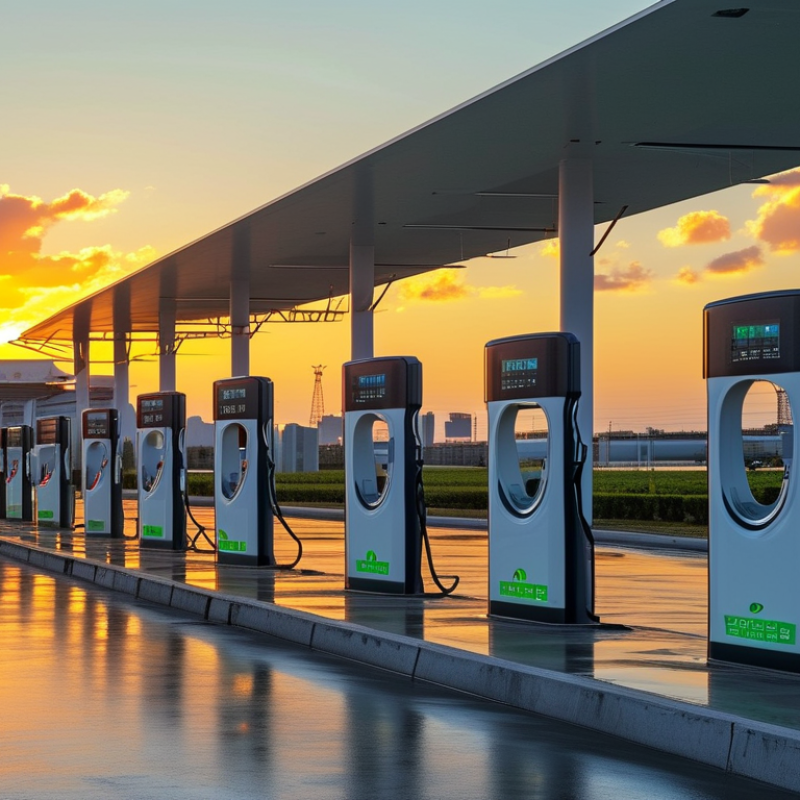
China's electric car charging infrastructure has rapidly evolved in recent years. As of 2023, the country boasts over 2.3 million public charging points. This growth aligns with the government's goal to have 5 million chargers by 2025. The distribution of these stations is not uniform. Major cities like Beijing and Shanghai have dense networks, while rural areas still lack sufficient coverage. This disparity raises concerns about accessibility for all users.
Data from the China Electric Vehicle Charging Infrastructure Promotion Alliance indicates that about 40% of these charging stations are fast chargers. Fast chargers significantly reduce charging time, making electric vehicles more convenient for long-haul trips. However, the infrastructure still faces challenges. For example, some charging stations experience downtime due to maintenance issues. Additionally, not all charging points are compatible with every vehicle model. This fragmentation complicates the user experience.
Efforts are underway to enhance the user interface of charging apps. Technological improvements aim to provide real-time data on station availability. Currently, user feedback highlights the need for better signage and directions to charging stations. While China's infrastructure is impressive, there is room for improvement. Continuous investment and innovation are essential to create a seamless charging experience for all electric vehicle users.
Key Features of Top Electric Car Recharge Stations in China
China is rapidly advancing in the electric vehicle sector, and its recharge stations reflect this evolution. Many of these stations are strategically located. They are often found near major highways, shopping centers, and urban areas. This convenience is essential for electric car owners. Speed and efficiency matter when it comes to recharging.
The key features of these recharge stations include fast-charging capabilities. Some stations can recharge a vehicle to 80% in just 30 minutes. User-friendly interfaces are common, allowing drivers to navigate the process with ease. However, there are still inconsistencies in availability. Some areas may have fewer stations than needed, creating frustration for users.
Moreover, most stations offer multiple charging formats. This ensures compatibility with various electric vehicles. On-site amenities, such as restrooms and cafes, enhance the experience. Yet, infrastructure investment must keep pace with rising EV adoption. This challenge remains an ongoing discussion among urban planners and industry leaders. Addressing these gaps is crucial for future success.
Comparative Analysis of Charging Speed and Availability
When considering electric vehicle charging stations in China, speed and availability are crucial. Many charging stations feature fast chargers. These can provide significant power in a short time. However, the actual charging speed can vary. Some stations advertise faster speeds but may not deliver during peak hours. This inconsistency can frustrate users.
Availability also presents challenges. While densely populated areas have numerous stations, rural regions often lack sufficient options. Long waiting times at busy locations can further complicate the driving experience. It’s important to plan charging stops carefully. Useful apps indicate nearby stations and real-time availability.
User experiences differ widely. Some find reliable stations, while others struggle with equipment functionality. The need for improvement is clear. More reliable and faster charging options can enhance user satisfaction. Understanding these challenges can aid global buyers in making informed decisions.
User Experience: Navigating China’s Electric Car Charging Network
Navigating China’s electric car charging network can be a mixed experience. Many users find that while the number of charging stations is growing, not all of them are reliable. Some locations have malfunctioning chargers or are too crowded, especially during peak hours. This can lead to frustrating waits for drivers eager to recharge.
The user interface of charging apps varies significantly. Some apps are user-friendly, offering real-time data on charger availability and location. Others may display outdated information, causing confusion. Regular updates and accurate maps are crucial for a smooth experience. Additionally, understanding the different types of chargers can be overwhelming for first-time users.
Many drivers report concerns about payment methods and compatibility. Not all stations accept the same payment options. In some cases, users must navigate multiple apps or cards, adding complexity to each charging session. Reflecting on these hurdles is essential. By sharing their experiences, users can help improve the network for everyone.
China Top Electric Car Recharge Stations for Global Buyers
| Station Name |
Location |
Charging Type |
Max Power (kW) |
Number of Ports |
User Rating |
Additional Features |
| Station A |
Beijing |
DC Fast Charging |
120 |
10 |
4.5 |
Wi-Fi, Cafe |
| Station B |
Shanghai |
AC Charging |
22 |
5 |
4.7 |
Rest Area, Snacks |
| Station C |
Guangzhou |
DC Fast Charging |
80 |
6 |
4.6 |
Shopping Mall Access |
| Station D |
Chengdu |
AC Charging |
7.2 |
8 |
4.4 |
Convenient Parking |
Future Trends in China's Electric Vehicle Charging Solutions
China is emerging as a leader in electric vehicle (EV)
infrastructure. The rapid expansion of charging stations reflects a critical shift in urban mobility. In 2022, the number of
public charging points in China exceeded 2.4 million, according to the China Electric
Vehicle Charging Infrastructure Promotion Alliance. This growth is essential for supporting the rise of EV usage.
However, challenges persist, especially in rural areas where access to charging is limited and uneven.
Future trends indicate a focus on ultra-fast charging solutions.
Researchers project that by 2025, 30% of charging points
will feature ultra-fast technology capable of delivering over 400 kW. This
could significantly reduce charging times, enhancing user convenience. Nevertheless, the integration of
renewable energy sources remains an area needing improvement. Current data shows that only 25% of charging stations utilize solar or wind power. Variability in renewable energy generation
poses a challenge that requires innovative solutions from industry experts.
Moreover, smart charging technology is on the horizon.
Utilizing AI and machine learning can optimize grid management and make charging more efficient. Yet, the
transition to such technologies needs careful strategy and implementation. With these developments, stakeholders
must address potential cybersecurity risks that come with digital
advancements. As the market matures, collaboration between governments, manufacturers, and technology providers
will be crucial to overcoming these hurdles.