Top Ev Charger Station Manufacturers You Should Know?
The electric vehicle (EV) market is rapidly evolving. A key aspect of this growth is the importance of reliable and efficient EV Charger Stations. Experts emphasize the need for a robust infrastructure to support the increasing number of electric vehicles on our roads. According to John Smith, a leading EV infrastructure consultant, "The future of transportation relies heavily on our charging network."
In recent years, numerous manufacturers have emerged, each vying for a share of the growing market. Some of these companies are innovators, bringing new technologies to the table. Others focus on creating user-friendly solutions for everyday consumers. However, not all EV Charger Stations are created equal. Quality and reliability can vary significantly across brands.
It's crucial to stay informed about these manufacturers. Understanding their strengths and weaknesses can help consumers make better choices. By exploring the top EV Charger Station producers, users can discover which brands truly meet industry standards. In an evolving landscape, recognizing the key players ensures a smoother transition into the electric future.
Overview of the Electric Vehicle Charger Market
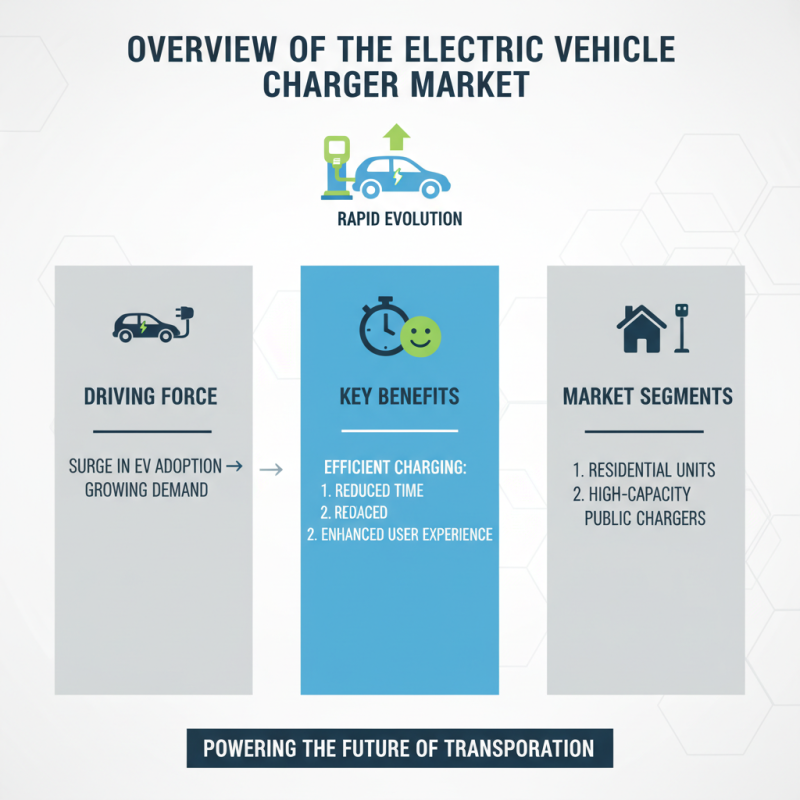
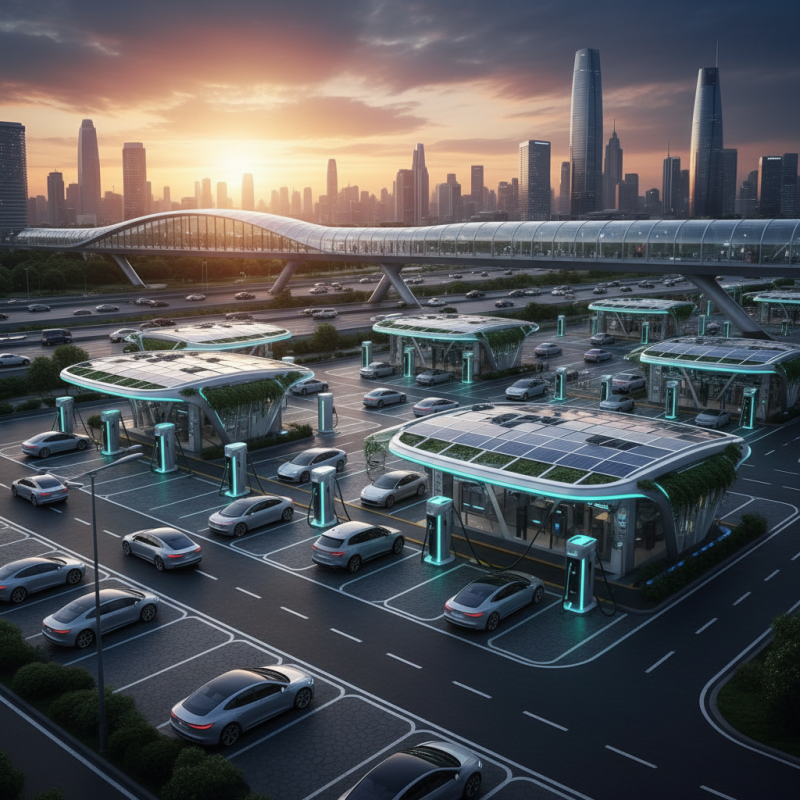
The electric vehicle (EV) charger market is rapidly evolving. With the surge in EV adoption, there’s a growing demand for accessible charging solutions. An efficient EV charger not only reduces charging time but also enhances user experience. The market features a variety of charging stations, ranging from residential units to high-capacity public chargers.
In recent years, the advancement in charging technology has been significant. Manufacturers are focusing on faster charging options and better integration with renewable energy sources. However, not all available options meet the necessary standards. Users often face challenges, such as incompatible chargers or insufficient infrastructure.
Moreover, as governments push for greener policies, the need for reliable charging stations is more prominent than ever. Businesses must invest in high-quality equipment to stay competitive. It's essential to consider not just the price, but also the longevity and support offered by charger manufacturers. Investing in the right technology is crucial for long-term success in this burgeoning market.
Key Features to Consider in EV Charger Stations
When selecting an EV charger station, key features make a difference. Look for charging speed, as this impacts how quickly you can recharge your vehicle. Level 2 chargers are popular for home use, offering a good balance between speed and affordability. Fast chargers can be beneficial for public stations, providing quick boosts for drivers on the go.
Another important aspect is compatibility. Ensure the charger supports various EV models. Different manufacturers use specific plug types, so versatility is essential. A good station should accommodate multiple vehicles to maximize convenience.
Tips: Always check the warranty details. A robust warranty can indicate quality and reliability. Also, look for user-friendly interfaces for easier operation. Simplified controls enhance the experience, especially for new EV owners. Consider the location as well; stations in accessible areas encourage usage and reduce charging time.
Leading EV Charger Station Manufacturers in the Industry
The electric vehicle (EV) market is growing rapidly. As demand for EVs increases, the need for reliable charging infrastructure also rises. Some manufacturers stand out in this competitive field, showcasing innovative approaches and advanced technology. These companies invest in research and development, ensuring their products meet both consumer expectations and safety standards.
The design of EV chargers varies significantly. Some focus on quick charging capabilities, while others prioritize user-friendly interfaces. Certain manufacturers emphasize sustainability in their production processes. Innovation can often lead to improvements in efficiency and usability. However, not every new feature is a success. Companies must learn from negative feedback to refine their products continuously.
Market leaders adapt to changing consumer habits. They monitor trends and adjust their offerings accordingly. Some may hesitate to adopt new technologies, fearing high upfront costs or uncertain market reception. This caution could lead to missed opportunities. It’s essential for manufacturers to maintain a balance between risk and innovation to thrive in the evolving EV landscape.
Emerging Players in the EV Charging Space
The EV charging industry is rapidly evolving. Emerging players are reshaping the landscape with innovative technologies and unique business models. Many of these companies focus on enhancing user experience and expanding charging networks. They understand the importance of accessibility. As such, their charging stations are often strategically located in urban areas and along major highways.
Some startups are prioritizing smart technology integration. They develop apps that allow users to find and reserve charging spots easily. Others emphasize sustainability, utilizing renewable energy sources to power their stations. This commitment to green technology appeals to eco-conscious consumers. Yet, there are challenges in scaling operations and maintaining reliability. As demand grows, many new entrants face difficulties in meeting user expectations.
Moreover, competition drives innovation. Companies aim to differentiate themselves through customer service and effective pricing models. They experiment with various payment options and subscription plans. However, not all strategies resonate with users, leading to valuable lessons for the industry. Staying attuned to consumer feedback is essential for success in this dynamic market.
Future Trends in EV Charging Technology and Infrastructure
The future of EV charging technology and infrastructure is rapidly evolving. As electric vehicle (EV) adoption surges, the demand for efficient and accessible charging solutions intensifies. According to a recent report by McKinsey, the number of global public charging stations will need to increase to over 10 million by 2030 to meet projected EV demand. This means manufacturers must innovate to keep pace.
Emerging trends focus on ultra-fast charging stations and advanced charging networks. These solutions currently enable a charging speed of up to 350 kW. Such advancements can recharge an EV in under 20 minutes, a game-changer for long-distance travel. Additionally, the integration of renewable energy sources into charging networks is becoming a priority. It not only reduces carbon footprints but also stabilizes energy costs.
**Tip:** Stay informed on local initiatives that promote EV infrastructure upgrades. Community programs can often provide insights into upcoming charging station installations.
Battery technology also plays a key role. Solid-state batteries offer potential for improved energy density and faster charging times. While they are still in development, they present a promising future for EV performance. However, the transition to this technology poses challenges. There are concerns about manufacturing scalability and regulatory approval.
**Tip:** Monitor industry reports and technological advancements. Understanding these changes can help consumers make informed decisions.
Top EV Charger Station Manufacturers You Should Know
| Manufacturer |
Type of Chargers |
Charging Speed (kW) |
Global Presence |
Innovative Features |
| Manufacturer A |
AC & DC Fast Chargers |
22 kW - 350 kW |
Worldwide |
Smart Charging, Remote Monitoring |
| Manufacturer B |
Level 2 Chargers |
7.2 kW - 19.2 kW |
North America, Europe |
Mobile App Integration |
| Manufacturer C |
Ultra-Fast Chargers |
150 kW - 450 kW |
Asia, Europe |
Payment Options, Grid Interaction |
| Manufacturer D |
Portable Chargers |
2 kW - 10 kW |
Domestic & International |
Compact Size, Emergency Start |