Top 10 EV Charging Stations You Need to Know About?
As the world shifts towards sustainable energy, the demand for EV charging stations is soaring. According to a recent report from the International Energy Agency (IEA), the number of EV charging points worldwide has tripled in just a few years, reaching over 1.3 million. Industry expert Dr. Sarah Thompson states, "The growth of EV charging infrastructure is crucial to supporting the electric vehicle revolution."
In this landscape, knowing the top EV charging stations can greatly enhance the user experience. Many places are not equipped to handle the influx of electric vehicles. The inconsistency in charging availability can lead to frustration for drivers. For instance, a well-placed charging station can reduce range anxiety significantly. Yet, some regions still struggle to provide adequate coverage.
Ultimately, the expansion of EV charging stations is both an opportunity and a challenge. As the industry evolves, we must reflect on how we can improve access and reliability. The future of electric mobility depends on the effectiveness of these crucial networks.
Top 10 EV Charging Stations: An Overview of Market Leaders
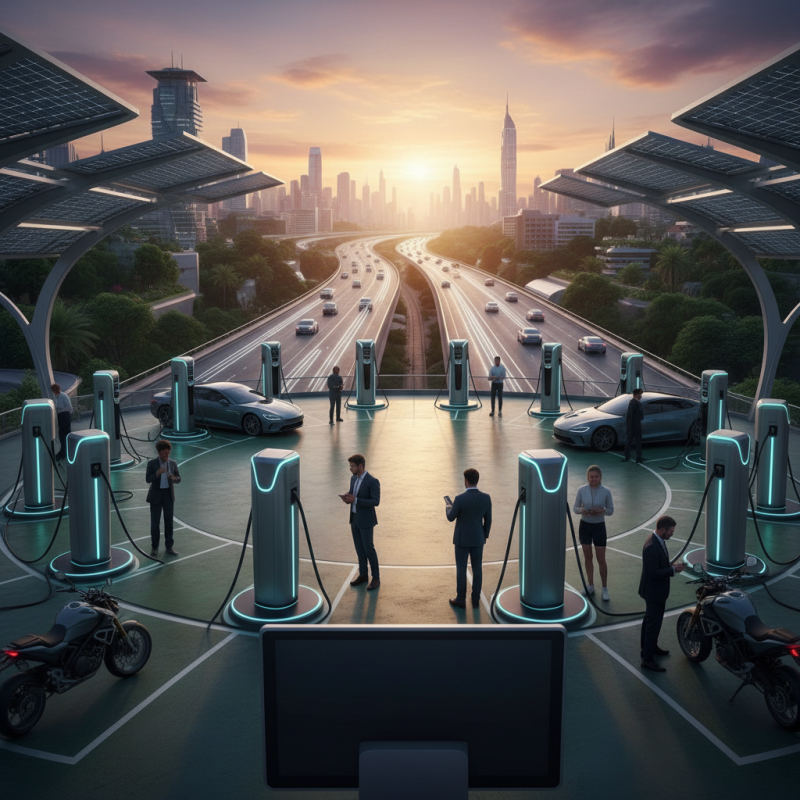
As electric vehicles (EVs) gain popularity, charging stations play a crucial role. Drivers need convenient and reliable options. The market now offers a variety of charging networks. These stations are often found near shopping centers, gas stations, and highways. Increasingly, they are equipped with fast chargers to minimize waiting times.
However, not all charging stations are created equal. Some locations may have limited availability or longer charging times than advertised. Drivers often face issues finding operational stations. Maps or apps help in locating them, but discrepancies occasionally arise.
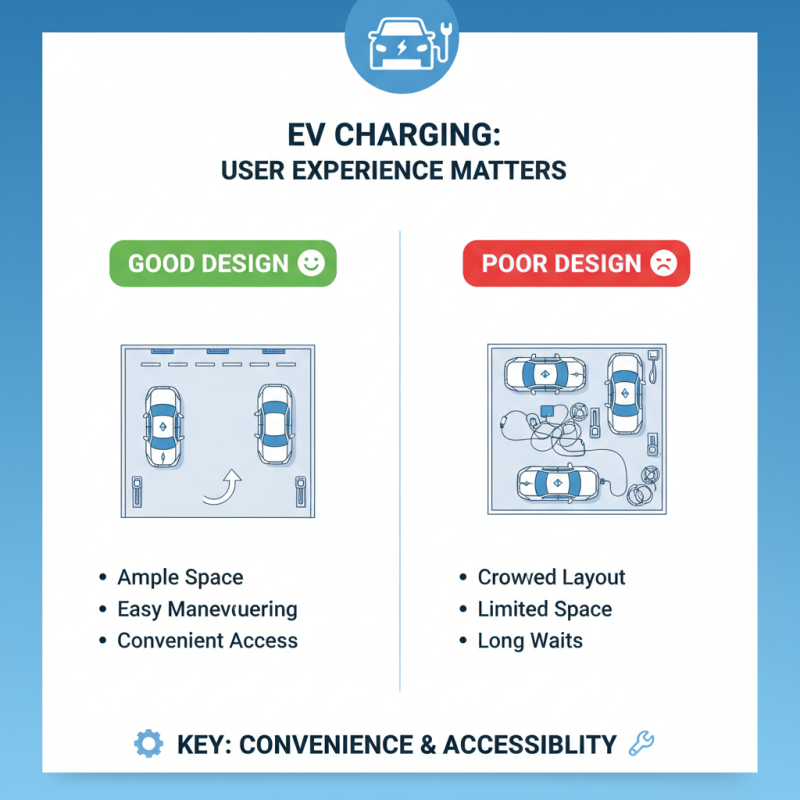
Accessibility is another challenge. Some stations are hard to reach or have inadequate space for multiple vehicles.
The user experience is mixed. Many users appreciate the convenience but express frustrations over compatibility problems. Newer models of EVs may not work at older stations. Maintenance issues, like broken chargers, can leave drivers stranded. It's essential for users to stay informed about charging options. Understanding the market leaders can enhance the charging experience and promote better EV adoption.
Charging Station Distribution: Understanding Geographic Coverage Trends
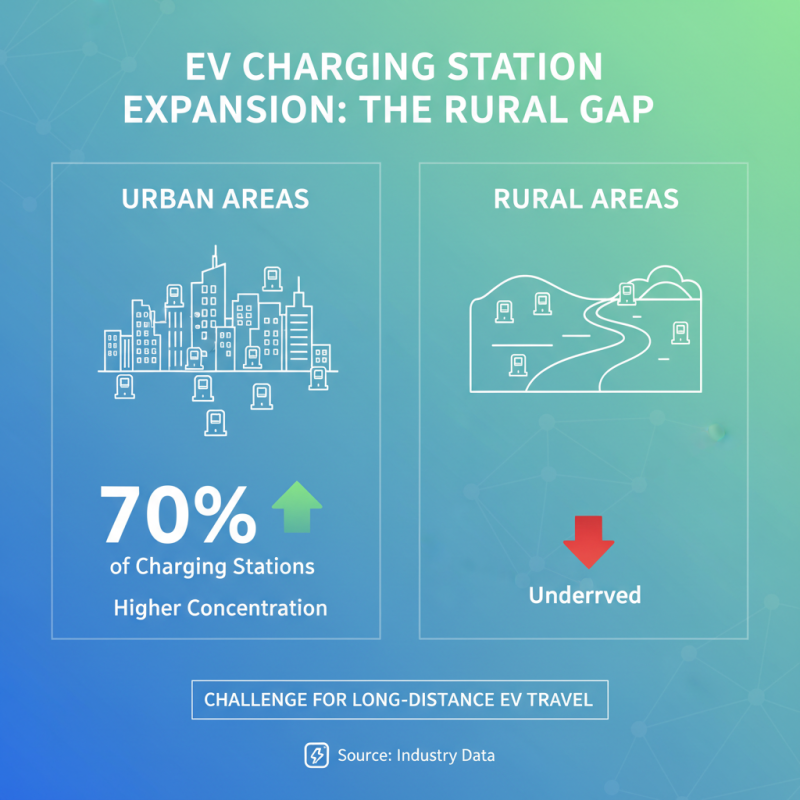
The expansion of electric vehicle (EV) charging stations is gaining momentum. Recent studies reveal that charging station coverage is uneven across regions. Urban areas often have higher concentrations of chargers. However, rural locations struggle to keep pace. This presents a challenge for long-distance EV travel. According to industry data, over 70% of charging stations are located in metropolitan areas, leaving rural regions underserved.
While this growth is vital, it raises concerns about accessibility. Many EV owners worry about range anxiety. A report from a leading energy agency indicates that 40% of EV users express concerns about finding a charging point. Moreover, some areas lack fast-charging options. This can lead to longer wait times and inconvenience for drivers.
Geographic coverage reflects trends in public infrastructure investment. Some states have robust plans to enhance charging networks. Others lag behind, creating disparities in EV adoption. A recent survey found that about 60% of potential EV buyers are influenced by charging station availability in their area. As the demand for EVs grows, addressing these geographic challenges is crucial for a sustainable future.
Technological Advancements in EV Charging: Fast Charge vs. Standard Charge
The evolution of electric vehicle (EV) charging technology is remarkable. Fast charging stations can boost battery levels to 80% in just 30 minutes. This speed enhances the driving experience, reducing downtime. According to a recent industry report, fast chargers will comprise 30% of all public charging stations by 2025. It’s a game-changer for long-distance travelers.
However, a reliance on fast charging does have drawbacks. These high-powered stations can be less efficient at lower states of charge. They may also lead to battery degradation over time. In contrast, standard chargers, while slower, can offer a gentler option. They are often found at residential locations and can take several hours to fully charge an EV. Reports indicate that 70% of EV owners prefer to rely on home charging solutions. This is likely due to convenience and cost-effectiveness.
The choice between fast and standard charging should consider driving habits. Not everyone needs rapid charging. Understanding individual needs can prevent unnecessary wear on the vehicle’s battery. This balance of speed and battery health is a crucial reflection for EV users today.
Charging Speed Comparison: Fast Charge vs. Standard Charge
Environmental Impact: Assessing the Sustainability of EV Charging Solutions
As electric vehicles (EVs) gain traction, assessing the sustainability of EV charging solutions becomes crucial. Many charging stations are powered by renewable energy sources, which significantly reduces their carbon footprint. However, not all stations achieve the same level of sustainability. Some rely on fossil fuels during peak hours. This raises concerns about environmental impacts.
The manufacturing and installation of charging stations also contribute to sustainability challenges. Materials used may not always be recyclable. Establishing robust recycling programs can help mitigate this issue. Moreover, the energy efficiency of charging stations varies. It is essential for consumers to choose stations that optimize energy use, ensuring less waste and reduced emissions.
Community engagement is vital for promoting sustainable practices. Local initiatives can encourage clean energy usage. However, there can be resistance to change. Some community members may worry about increased electricity demand. Open discussions could break down these barriers and foster cooperation. Striking a balance between accessibility and environmental responsibility remains a work in progress.