
Leave Your Message
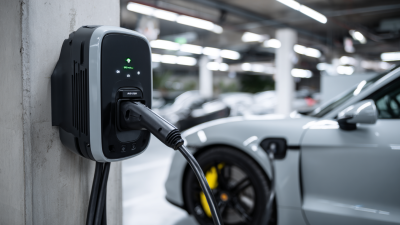
Wall Mounting EV Charge Station

Wall Mounting EV Charge Station

What is a Type 1 EV Charger and How Does It Work?

A Type 1 EV Charger is a crucial component for electric vehicle owners. Understanding what it is and how it functions can enhance your charging experience. These chargers utilize a simple plug-and-play method making them accessible for everyday users.

Type 1 EV Chargers are primarily used in North America and Japan. They connect directly to household power outlets. This makes them convenient for home charging. However, the charging speed can vary. Many users find it slower compared to other charger types. This limitation might not suit everyone’s needs.

When choosing a charging solution, consider your driving habits. Evaluate your daily mileage and charging times. A Type 1 EV Charger may be ideal for short trips but can be less effective for long journeys. This calls for reflection. Is your charger meeting your expectations?
What is a Type 1 EV Charger and How Does It Work?

What is a Type 1 EV Charger?

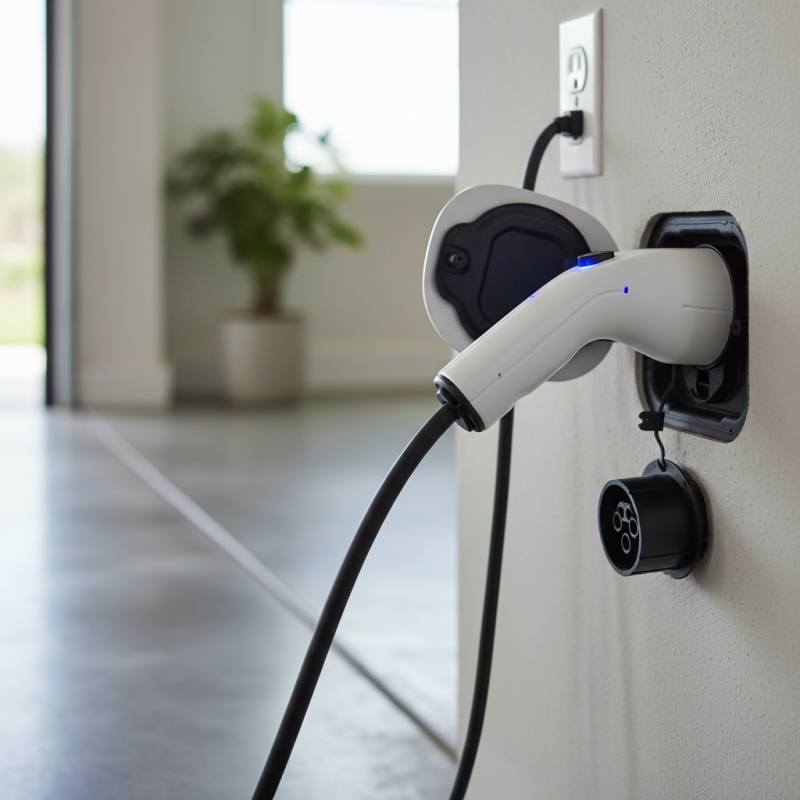
A Type 1 EV charger is a standard used primarily in North America and Japan. It features a simple, single-phase connector. This charging type is primarily designed for home and light-duty applications. The plug is compact, making it easy to handle.

The charging process begins when you connect your vehicle to the charger. Electricity flows from the wall outlet to the car's battery. A Type 1 charger typically delivers 120V or 240V. Charging time varies based on battery size and state of charge. For small batteries, it might take a few hours. Larger batteries can take overnight.

While Type 1 chargers are convenient, they have limitations. They charge slower compared to Type 2 chargers. Users sometimes find themselves waiting longer than expected. If you're in a hurry, this can be frustrating. Additionally, compatibility is essential. Not all electric vehicles can use this type of charger. Always check specifications before use.
Technical Specifications of Type 1 EV Chargers

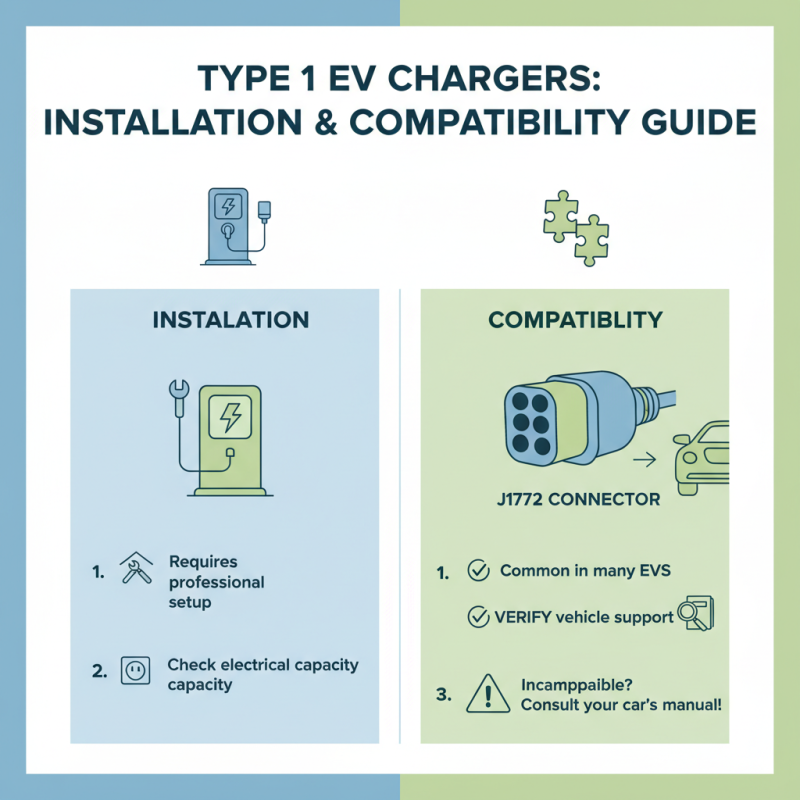
Type 1 EV chargers are commonly used for electric vehicles, especially in certain regions. Their design features a connector with five pins, allowing for both AC power and communication. These chargers typically deliver power at a rate of 16 to 32 amps, depending on the vehicle's capability. They are often categorized under the J1772 standard in North America.

The installation of a Type 1 charger involves careful consideration of electrical requirements. Proper wiring and circuit breakers are crucial to ensure safety. Many users face challenges with voltage ratings or grounding issues. The charger operates on a single-phase alternating current, which can be a limitation for faster charging in some cases. It's worth noting that many EV owners might underestimate their home’s electrical capacity before installation.

In terms of charging time, a Type 1 EV charger may take several hours to fully charge a vehicle. This time varies based on the vehicle's battery size and current charge level. Users often have mixed experiences in their charging routines. While some appreciate the convenience of home charging, others find long wait times frustrating. Factors such as travel habits and electricity costs also impact user satisfaction.

How Type 1 EV Chargers Work: The Charging Process

Type 1 EV chargers are important for electric vehicles. They mainly use a single-phase AC power system. The charging process can take several hours, depending on battery capacity. A Type 1 connector typically allows up to 7.4 kW of power. Hence, charging time can vary between 4 to 8 hours for a full charge.

During the charging process, the EV communicates with the charger. This ensures safety and efficiency. The vehicle's onboard computer monitors the battery's state of charge. According to industry data, around 60% of EV owners use home charging stations. This makes Type 1 chargers popular in residential settings. Yet, many users overlook the importance of correct installation and compliance with local regulations. Poor installation can lead to safety hazards.

Moreover, charging speeds can be affected by various factors. The electrical infrastructure of a home may impose limitations. In some cases, users may experience slower charging rates than expected. It's crucial to evaluate your home's wiring and available power supply. Understanding these elements can prevent frustration during the charging process. An effective charging setup can truly enhance the EV experience.

Benefits of Using Type 1 EV Chargers for Electric Vehicles

Type 1 EV chargers offer several benefits for electric vehicle owners. They provide a reliable and straightforward charging solution. These chargers work with standard household outlets, making them accessible to many users. With a Type 1 charger, you can simply plug in your vehicle at home or in public spaces that support this type.

Using Type 1 chargers has its perks. They are easy to install and don’t require complex setups. You can charge your vehicle overnight while you sleep. This convenience helps you start each day with a full battery. However, charging time can be an issue. It may take several hours to charge fully. Some users might find this frustrating if they need to charge quickly.

Moreover, Type 1 chargers are often less expensive than other options. This can make them appealing to budget-conscious drivers. But, the slower charging rate might not suit everyone. If you frequently drive long distances, you may need a faster charger. It's essential to assess your driving habits and charging needs before deciding.

Installation and Compatibility Considerations for Type 1 EV Chargers

What is a Type 1 EV Charger and How Does It Work?

When considering a Type 1 EV charger, installation and compatibility are crucial factors. Type 1 chargers often use a J1772 connector, which is common in many electric vehicles. Ensure your vehicle supports this type of charger before proceeding. Compatibility issues can arise if your car is not designed for a J1772 connection. Check your vehicle's manual for specs.

For installation, it's vital to choose a location that allows easy access to the charger. Many people install them in their garage or carport. A dedicated circuit is often needed to support the charger’s power requirements. Be cautious—improper installation can lead to electrical hazards or inefficiencies.

Tips: Consult a licensed electrician for safe installation. They can help with load calculations. Ensure the outlet is grounded properly. If possible, install near a power source to minimize cable length. Always review local regulations before proceeding. This can prevent unnecessary complications later.