2026 Top Electric Car Charger Trends for Global Buyers
The electric car market is rapidly evolving. As more consumers choose electric vehicles, the demand for reliable electric car chargers grows. This trend is pushing manufacturers to innovate. New charging technologies and infrastructure are emerging globally, often catering to diverse buyer needs.
In 2026, several electric car charger trends are shaping the industry landscape. Fast charging solutions are becoming increasingly crucial. These chargers can significantly reduce downtime for drivers. However, not all regions are equally equipped. Some areas still face challenges in providing adequate charger availability.
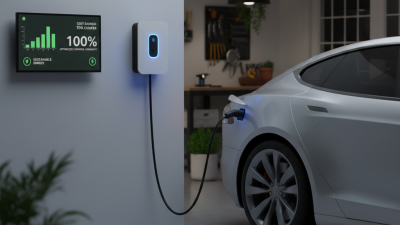
Consumers now prioritize compatibility and convenience. Many look for chargers that can be integrated into home systems. This shift reflects a growing desire for seamless experiences. Yet, misinformation about charging options can lead to confusion. Buyers must navigate various products and setups to find the best fit. Understanding these trends ensures that consumers make informed decisions.
Emergence of Ultra-Fast Charging Technologies in 2026
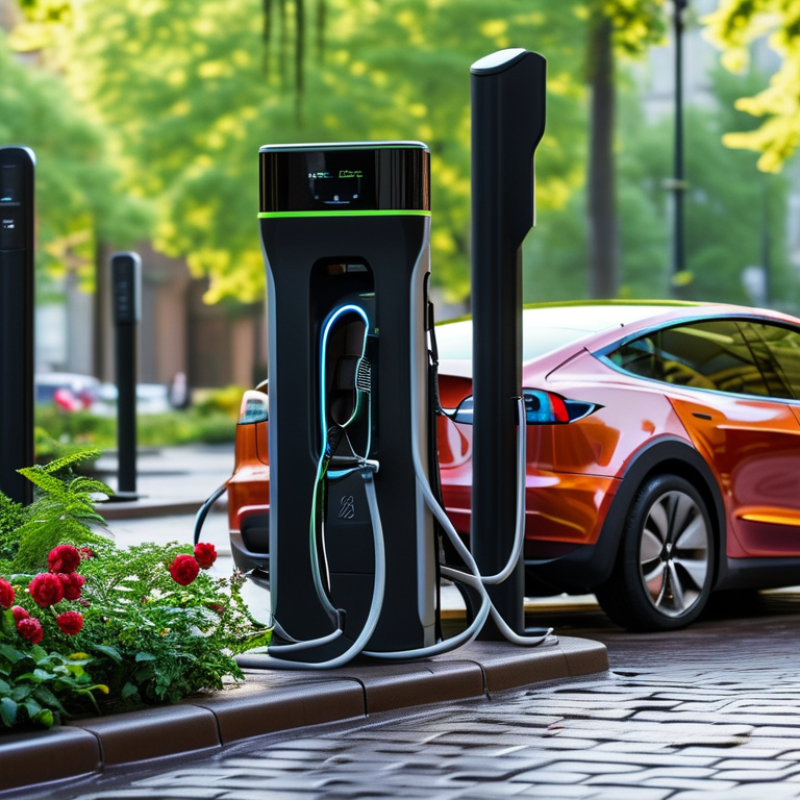
The emergence of ultra-fast charging technologies in 2026 is reshaping the landscape of electric vehicle charging. These advancements significantly reduce the time needed to charge electric vehicles. In certain cases, just 10 to 15 minutes at an ultra-fast charger can provide a substantial range boost. This transformation makes long-distance travel more feasible for electric car owners.
New materials and improved battery designs contribute to the rise of ultra-fast charging. High-capacity batteries can now accept higher currents without overheating. However, not all charging stations will meet these new standards. Accessibility may remain a challenge in some regions. Users might find themselves searching for compatible chargers while on the road.
The infrastructure for ultra-fast charging is still developing. As charging stations pop up in urban and rural areas, the network will expand. These changes could promote wider adoption of electric vehicles. Nonetheless, consumers must weigh convenience against the reality of uneven access. As technology evolves, ongoing reflection is essential for future improvements.
2026 Electric Car Charger Trends
Integration of Renewable Energy Sources in Electric Car Charging
The integration of renewable energy sources in electric car charging is shaping the future of sustainable transportation. As electric vehicle adoption grows, users demand cleaner, greener charging solutions. Solar and wind energy are becoming popular choices. They are increasingly being incorporated into charging stations around the world.
Charging infrastructure now often includes solar panels. These panels harness sunlight during the day, converting it into electricity. This process reduces reliance on fossil fuels and decreases carbon emissions. However, energy storage remains a challenge. Many stations still struggle to store excess power generated during peak sunlight hours.
Wind turbines also play a role in this transformation. They offer an alternative energy source for charging stations in windy regions. Yet, integrating these technologies can be complex. Variability in energy production complicates the reliability of charging stations. It’s crucial for developers to address these challenges to ensure a seamless transition to renewable energy.
2026 Top Electric Car Charger Trends for Global Buyers
| Trend |
Description |
Impact |
Adoption Rate (%) |
| Solar-Powered Chargers |
Integration of solar panels with electric car charging stations |
Reduces reliance on grid electricity and lowers emissions |
35 |
| Smart Charging Solutions |
Using AI to optimize charging times based on renewable energy availability |
Enhances energy efficiency and lowers costs for users |
50 |
| Vehicle-to-Grid Technology |
Enable electric cars to return energy to the grid |
Helps stabilize the grid and utilize renewable energy more effectively |
20 |
| Wireless Charging Stations |
Use of electromagnetic fields to transfer energy without physical connectors |
Increases convenience for users, promoting more frequent charging |
15 |
| Ultra-Fast Charging Stations |
Charging stations capable of delivering high-speed charging |
Reduces downtime for users, making electric vehicles more practical |
40 |
Smart Charging Solutions: Benefits of IoT and AI in EV Chargers
The rise of smart charging solutions is transforming electric vehicle (EV) technology. According to a recent report by the International Energy Agency, the number of public charging points worldwide has reached over 1.3 million, with smart chargers becoming increasingly prevalent. These devices leverage Internet of Things (IoT) technology, allowing for remote monitoring and management. By connecting to a user’s smartphone, they provide real-time updates on charging status and availability.
Artificial Intelligence (AI) further enhances the user experience. AI algorithms can analyze data from users and charger locations to optimize charging times and reduce costs. For example, a study from Deloitte indicates that smart charging can cut energy costs by 20% during peak hours. However, the integration of these technologies faces challenges, such as the need for robust cybersecurity measures. Hackers target charging stations, making it essential to address vulnerabilities in IoT devices.
Despite the benefits, the pace of adoption is uneven. Not all regions have the infrastructure to support smart chargers. In areas with limited network connectivity, the potential of IoT and AI remains untapped. Buyers must consider local conditions when investing in smart charging technology. The evolution of charging solutions presents opportunities and pitfalls that stakeholders should navigate with care.
Global Standardization Trends for Electric Vehicle Charging Infrastructure
The global electric vehicle (EV) market is evolving, and so is the need for a
standardized charging infrastructure. With the rise of EVs, consistent charging solutions are crucial for the industry. Standardization offers interoperability across different charging stations and vehicle types. This trend can significantly enhance user experience by reducing charging time and simplifying access.
Tips for buyers: Look for charging stations that conform to global standards. A uniform system allows for compatibility with various vehicles. Check if the chargers support fast charging options. This can save you time during long trips.
The challenges in achieving global standardization cannot be ignored. Different regions may have unique requirements and preferences. Adapting to local markets can complicate the standardization process. Feedback from users is essential. It can lead to adjustments that enhance the overall charging experience, ensuring it meets diverse needs.
Another important aspect is the integration of smart technologies. Future charging stations might include real-time data tracking and predictive maintenance. Such features could improve reliability but could also lead to privacy concerns. Balancing innovation and user protection remains a critical focus for developers and policymakers alike.
User-Centric Features and Innovations in Electric Car Charging Stations
The electric car charging landscape is evolving rapidly. User-centric features are now at the forefront of design. People want convenience, speed, and accessibility when charging their vehicles. Innovations in technology are helping meet these demands.
Smart charging stations are becoming widespread. They offer real-time information about availability and charging times, which enhances the user experience. Mobile apps allow drivers to locate the nearest charging stations easily. Some apps even let users reserve a charging spot in advance. Such functions are vital for busy urban settings where competition for chargers is intense.
On the flip side, not all charging stations are user-friendly. Some installations lack clear instructions or require multiple steps, confusing new users. The design of the interface is crucial. A complicated layout can lead to frustration. Improvements are needed in this aspect. User feedback must inspire future innovations, ensuring that the charging experience is smooth and efficient for everyone.