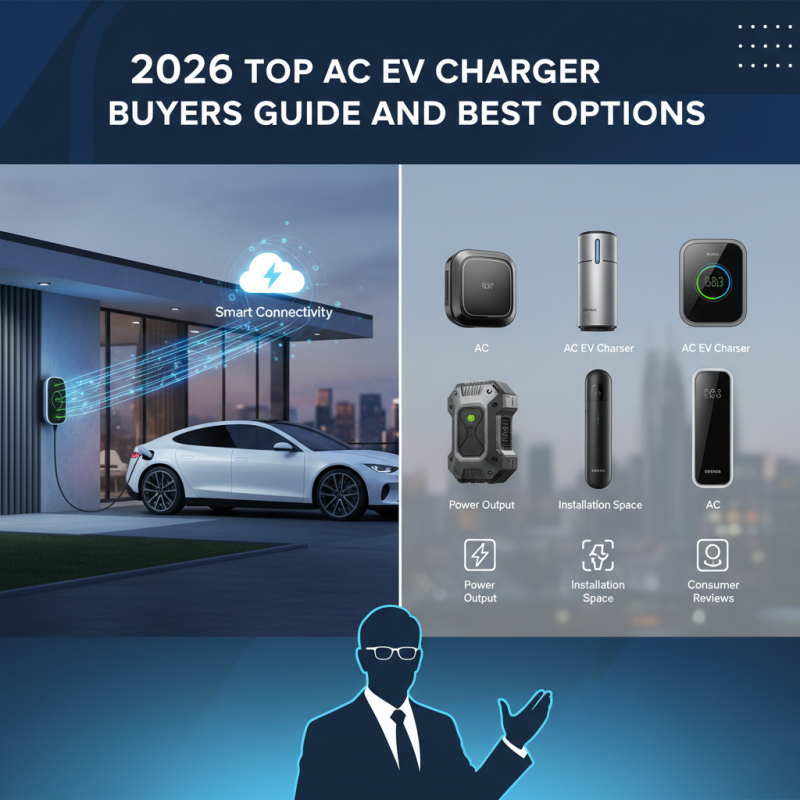
2026 Top AC EV Charger Buyers Guide and Best Options?
In the rapidly evolving landscape of electric vehicle charging, understanding your options is critical. The AC EV charger market has grown significantly, with innovations catering to diverse needs. Industry expert John Smith, a renowned figure in EV infrastructure, emphasizes, "Choosing the right AC EV charger can dramatically affect your vehicle's performance and longevity."
As more consumers embrace electric vehicles, the demand for efficient charging solutions increases. AC EV chargers stand out for their compatibility with various vehicle models. However, not all charging stations are created equal. Some models may lack essential features like smart connectivity or optimal charging speeds. This inconsistency makes choosing the right one a challenging task.
Exploring the best options for 2026 requires careful consideration. Buyers need to assess their specific requirements, such as power output and installation space. Additionally, the landscape evolves constantly, leading to potential gaps in knowledge. A well-informed decision hinges on not just the product but also consumer experiences and reviews. In this dynamic market, a thoughtful choice can enhance both charging efficiency and vehicle usability.
Overview of AC EV Chargers: Types and Key Features
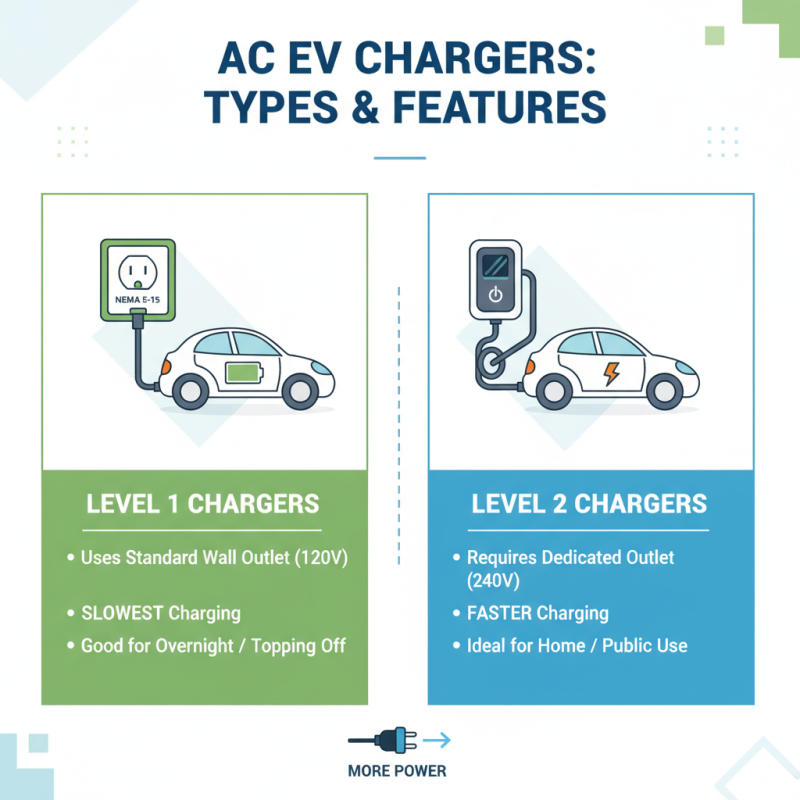
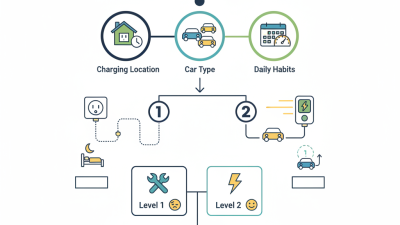
AC electric vehicle (EV) chargers come in various types, each designed for specific needs. Level 1 chargers are the simplest. They use a standard outlet and take longer to charge. Level 2 chargers are more powerful and can charge an EV more quickly. They suit home or public use, providing versatility.
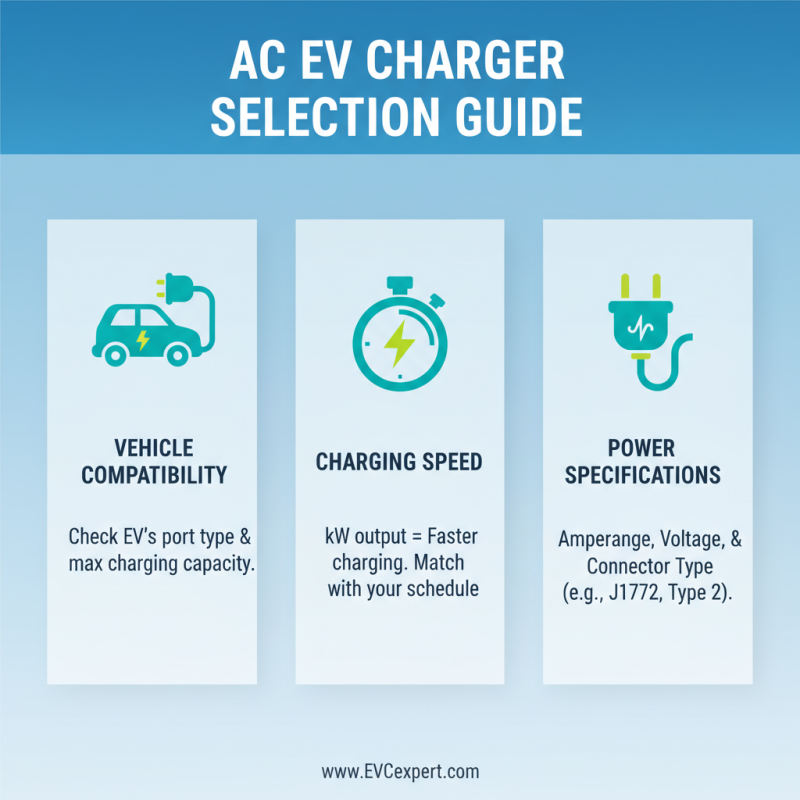
Key features to consider include charging speed, compatibility with different vehicles, and safety features. Smart chargers offer app connectivity, allowing users to monitor charging status. Some models support multiple voltage levels. This flexibility ensures they can adapt to different EVs. Understanding these features helps buyers make informed choices. Investing in the right charger can enhance your overall EV experience.
Despite advancements, not all chargers deliver consistent performance. Some may face connectivity issues or take longer than advertised to charge. Researching user reviews before purchasing is crucial. An informed decision is essential to avoid disappointment.
Top Brands and Models of AC EV Chargers in 2026
In 2026, the electric vehicle (EV) market continues to expand rapidly, leading to a surge in demand for AC EV chargers. Recent industry reports indicate that the AC charging segment is projected to grow at a CAGR of 15% over the next five years. This growth stems from the increasing adoption of electric vehicles and the rising need for efficient charging solutions. Notably, Level 2 AC chargers remain the most popular among consumers, as they provide a balance between charging speed and affordability.
When considering the best options in AC EV chargers for 2026, various brands and models stand out based on performance metrics. Efficiency rates, typically between 80-90%, are crucial for reducing charging time and energy wastage. Additionally, some models feature smart technology integration, allowing users to monitor energy consumption remotely. However, not all options meet consumer expectations. Certain models may lack compatibility with all EV types or may face connectivity issues, leading to frustration among users.
Furthermore, safety features are paramount in selecting a reliable AC charger. Many government regulations emphasize the importance of built-in safety measures. However, some brands still have room for improvement in this area, risking user safety. This highlights the need for consumers to research reviews and performance data before making a purchase. A well-informed decision can lead to a better charging experience.
2026 AC EV Charger Performance Comparison
Installation Process and Requirements for AC EV Chargers
The installation of AC EV chargers involves several critical steps and requirements.
First, ensure you have a suitable location for installation. The space should be close to your electrical panel and ideally sheltered from the elements. A flat, stable surface helps secure the charger in place. If installing outdoors,
protecting wiring from exposure is essential.
Next, assess electrical needs. Most home chargers require a dedicated 240-volt circuit. Consulting a certified electrician can streamline this process.
They can evaluate your current electrical capacity and upgrade it if necessary. Sometimes, homes may need a panel upgrade.
This could lead to unexpected costs but can enhance overall energy efficiency.
Permits may be required depending on local regulations. Check with local authorities about codes and requirements in your area.
Neglecting these can lead to complications later. After installation, ensure you test the system thoroughly.
It helps verify that everything operates as intended. Any issues should be addressed immediately to avoid long-term problems.
Taking these steps will ensure a smoother installation of your AC EV charger.
Tips for Maintaining and Optimizing Your AC EV Charger
Maintaining and optimizing your AC EV charger is crucial for performance and longevity. Regular inspections can prevent unexpected failures. According to a report by the International Energy Agency (IEA), nearly 20% of electric vehicle (EV) owners experience issues with their home charging systems. Simple maintenance tasks can help reduce these incidents.
Cleaning the charger regularly is essential. Dust and debris can accumulate over time, impacting efficiency. Ensure connections are tight. Loose connections can lead to energy loss. Data from the Electric Power Research Institute indicates a 15% efficiency gain when connections are properly maintained.
Furthermore, consider software updates. Many modern chargers come with firmware that can enhance functionality. Neglecting these updates can lead to security vulnerabilities. Despite the need for updates, many users overlook them. Keeping track of these updates is vital for optimal performance.
Regular maintenance pays off, enhancing the user experience and prolonging charger life.