Best Ac Ev Charger Options for Global Buyers in 2026?
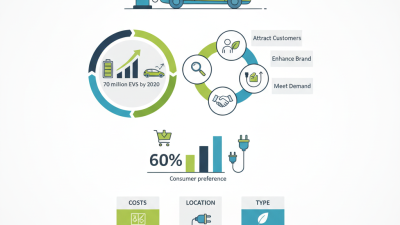
As the world pivots towards sustainable mobility, the demand for AC EV chargers is set to rise significantly. According to the International Energy Agency (IEA), the number of electric vehicles (EVs) is expected to hit 300 million globally by 2030, with a corresponding surge in the need for efficient charging solutions. The AC EV charger market is anticipated to expand rapidly, presenting a lucrative opportunity for global buyers in 2026.
Currently, AC chargers dominate the market, primarily due to their balance of cost and charging speed. Reports from Grand View Research indicate that the global AC EV charger market was valued at $9.98 billion in 2021 and is projected to grow exponentially. However, not all options meet the diverse needs of EV users. Some chargers lack features such as smart connectivity or fast charging capabilities, leading to consumer dissatisfaction. It is crucial for buyers to reflect on their unique requirements.
In this evolving landscape, potential buyers must consider numerous factors. The right choice of an AC EV charger can significantly impact charging efficiency and user experience. While various brands offer promising solutions, ensuring quality and reliability remains essential. Balancing functionality, cost, and brand reputation will be key to making informed decisions as the market continues to mature.
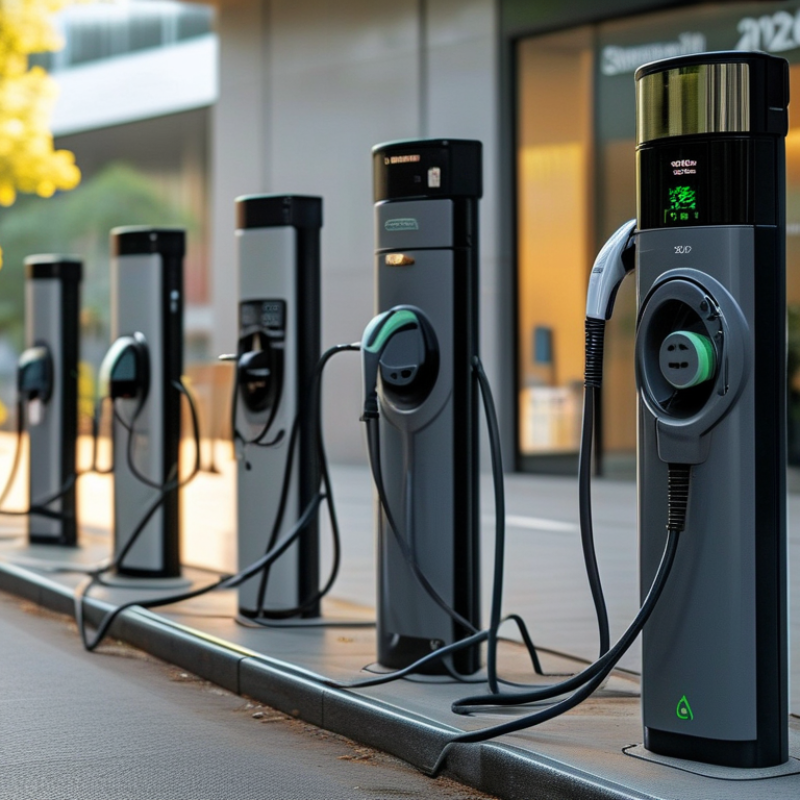
Top 5 AC EV Chargers for Global Buyers in 2026
The electric vehicle (EV) market continues to expand rapidly, and so does the need for efficient AC EV chargers. For global buyers in 2026, understanding the top AC EV chargers is vital. Reports indicate that the demand for charging stations will increase by 50% in the next three years, highlighting the urgency for suitable options.
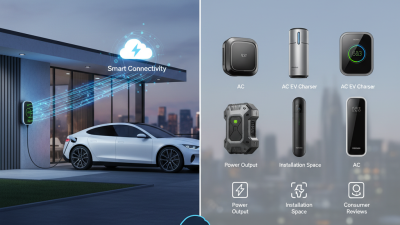
One option is a versatile EV charger, adaptable to various vehicle models and capable of fast charging. Another is a smart charger with app integration. These chargers can help users monitor energy usage and optimize charging times. However, with the myriad of choices available, buyers may feel overwhelmed. It's essential to balance cost, charging speed, and user experience.
Tip: Research user reviews and seek professional advice to identify the best charger for your needs. Consider the home installation requirements as well. Installing a more complex system could complicate your experience. In some cases, buyers overlook the importance of warranty and support services. Exploring these aspects can significantly impact satisfaction.
Best AC EV Charger Options for Global Buyers in 2026
| Model |
Charging Power (kW) |
Connector Type |
Smart Features |
Estimated Price (USD) |
| Model A |
7.2 |
Type 2 |
Wi-Fi, App Control |
550 |
| Model B |
11 |
Type 1 |
Bluetooth, Scheduling |
750 |
| Model C |
22 |
Type 2 |
Smart Home Integration |
1200 |
| Model D |
3.6 |
Type 1 |
Voice Control |
450 |
| Model E |
7.4 |
Type 2 |
Mobile App Connectivity |
600 |
Key Features to Consider in an AC EV Charger
When selecting an AC EV charger, certain features are crucial for optimal performance. One important aspect is charging speed. According to a recent industry report, Level 2 chargers can provide up to 25 miles of range per hour. This is significantly faster than standard Level 1 chargers, making them ideal for home use. Buyers should consider their driving habits. Frequent users might prefer chargers with higher amperage to minimize downtime.
Compatibility is another key factor. Not all EVs use the same connectors. Therefore, a versatile charger that supports multiple connector types ensures broader usability. A study by the International Council on Clean Transportation highlights that around 40% of consumers prioritize compatibility when purchasing EV chargers. Safety features also require attention. Overcurrent protection and thermal monitoring can prevent potential hazards.
Affordability, while important, can sometimes overshadow quality. Some lower-cost chargers may lack essential features, raising long-term costs. Issues with durability or reliability can lead to additional expenses down the road. Assessing customer reviews and expert assessments helps buyers avoid pitfalls. It's vital to balance cost with quality to ensure a good investment.
Comparative Analysis of Leading AC EV Charger Brands
As electric vehicles gain traction, choosing the right AC EV charger becomes crucial for consumers. A comparative analysis of leading AC EV charger brands reveals distinct features and functionalities. Many chargers offer varying power outputs, impacting charging speeds significantly. Users often find that higher power ratings decrease waiting times. However, compatibility with different EV models can be a challenge.
One brand might excel in speed but falter in user-friendliness. Some chargers come equipped with smart features, allowing remote access via mobile apps. This can enhance the charging experience, yet, these features also raise concerns over potential vulnerabilities in digital security. Additionally, the build quality of chargers can differ greatly. Some are designed for harsh weather, while others are not.
Price can be a driving factor, but it shouldn’t be the sole consideration. A more affordable option may lack crucial safety certifications. In contrast, some premium models might overemphasize features that consumers don’t need. Reliability and after-sales support are also vital metrics. Buyers often find themselves questioning whether the higher price correlates with better service. Understanding these elements helps buyers make informed choices in the evolving world of electric charging solutions.
Pricing Trends for AC EV Chargers in Different Regions
As electric vehicles continue to gain popularity, understanding AC EV charger pricing trends is crucial for consumers worldwide. In 2026, the prices of AC EV chargers may vary significantly across regions. For instance, Europe could see competitive pricing models driven by government incentives. Major cities might prioritize faster charging solutions, impacting retail prices. Meanwhile, rural areas may have limited charger availability, leading to higher costs due to lower competition.
In North America, installation costs could be a significant factor in pricing trends. Urban centers may encourage lower prices due to high demand, while remote areas might face a stark contrast. The differences highlight the need for potential buyers to research regional trends. Asia could experience a surge in local manufacturers, potentially driving down prices in key markets. However, fluctuating material costs might affect overall pricing.
Ultimately, buyers face varying options. Understanding these trends can greatly influence decisions. However, it’s essential to remain aware of the unpredictable nature of materials and local regulations that can affect charger costs. Making a well-informed decision can require deep dives into regional nuances, revealing both opportunities and gaps in the market.
Future Innovations in AC EV Charging Technology for Consumers
The future of AC EV charging technology is bright, with many innovations on the horizon. According to a recent report by the International Energy Agency, the number of electric vehicles is projected to reach 125 million by 2030. This surge necessitates advanced charging solutions to ensure convenience for users. Emerging technologies like smart charging will allow cars to interact with the grid. Through real-time data sharing, charging times can be optimized, lowering costs for consumers.
In addition to smart charging, wireless charging systems are gaining traction. This technology could eliminate the need for physical connectors. However, users need to be aware that effectiveness will depend on infrastructure development. Navigating varied charging standards can also be a challenge.
Tips: Always check local charging infrastructure compatibility. Invest in energy management systems for optimal usage. Monitor how many EVs in your area utilize public charging stations. With the anticipated growth, reliable data on usage patterns can enhance decision-making for efficient charging setups.