How to Choose Home Wall EV Charge Station at Canton Fair?
As electric vehicles (EVs) gain popularity, selecting the right Home Wall EV Charge Station becomes essential. According to a 2023 industry report, the demand for EV chargers in homes is projected to grow by 25% annually. This shift reflects the broader trend towards sustainable living. Experts emphasize the role of charging infrastructure in encouraging EV adoption.
"Choosing the right Home Wall EV Charge Station is vital for efficiency," says Dr. Emily Zhao, a leading expert in EV technology. Her insights highlight the need for quality and compatibility with various vehicle models. Many cautious buyers may overlook specifications like charging speed and safety certifications.
Navigating the options can be overwhelming. The upcoming Canton Fair provides a platform for showcasing innovative solutions. With AI-driven tools, it is easier to compare products. However, decisions should not be rushed. Evaluating features and understanding what fits best for specific home needs is crucial. Reflect on what truly meets your lifestyle and ensures a seamless EV experience.

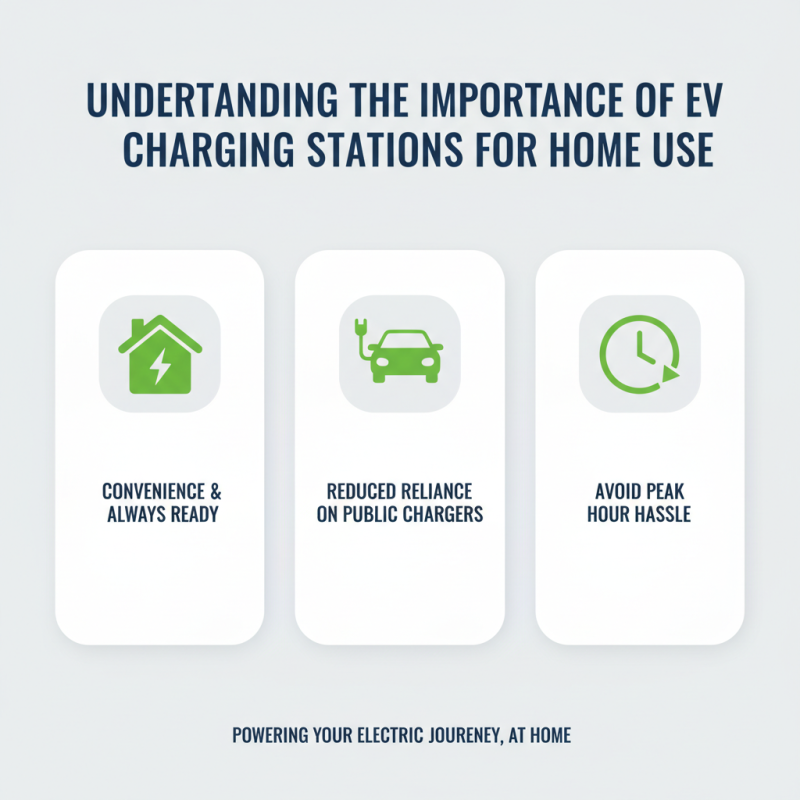
Understanding the Importance of EV Charging Stations for Home Use
As electric vehicles (EVs) gain popularity, home charging stations become vital. They provide convenience and ensure your vehicle is always ready for use. Having a charging station at home reduces reliance on public chargers, especially during peak hours.
Tips: Consider your driving habits. If you drive long distances regularly, a faster charging option might be necessary. Ensure the station is compatible with your vehicle model. Not all charging stations work with every EV.
Home charging stations can lower electricity costs. Nighttime rates are often cheaper. Check your local utility for lower rates when charging after hours. This can lead to significant savings over time.
Remember, installation requires planning. Assess your home’s electrical capacity. An electrician can help. Improper installation can be costly or even unsafe. Take time to review various options before deciding. Not every choice will suit your lifestyle or needs. Balancing cost, convenience, and safety is essential.
Key Factors to Consider When Choosing an EV Charge Station
When choosing a home wall EV charge station at the Canton Fair, several key factors must be considered. Charging speed is a crucial element. According to a report by the Electric Vehicle Charging Association, faster chargers can reduce charge time significantly. Level 2 chargers can provide 10-60 miles of range per hour. This difference can affect daily convenience.
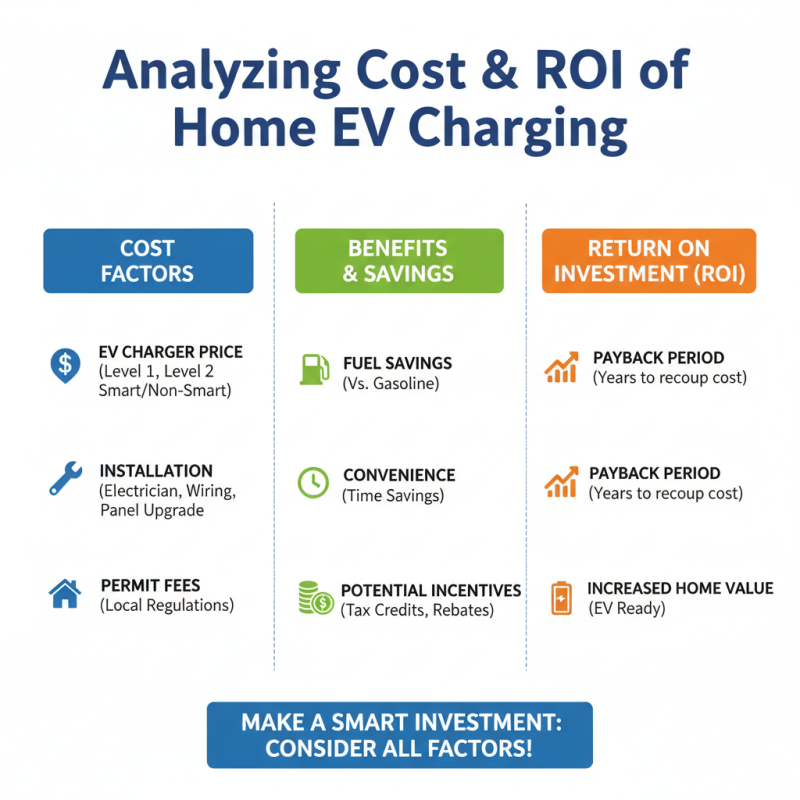
Installation is another pivotal factor. Some stations require professional installation, while others offer DIY setup. This decision may impact costs. A survey from the National Renewable Energy Laboratory found that installation costs can vary widely. This detail could influence your overall budget. Additionally, consider the power supply requirements. Some homes may not support high-capacity chargers without electrical upgrades.
Compatibility with various electric vehicle models is essential too. Not all stations work seamlessly with every EV. Check supported models before deciding. Accessibility is often overlooked. Ensure your station is situated conveniently. A poorly placed charger can lead to daily frustrations. According to consumer feedback, many users wish they had considered placement more carefully. Taking these factors into account will lead to a more informed choice.
Comparing Different Charging Speeds: Level 1 vs Level 2 Chargers
When choosing a home wall EV charge station, understanding charging speeds is essential. There are two common types:
Level 1 and Level 2 chargers.
Level 1 chargers use a standard 120-volt outlet. They are convenient but charge slowly, adding about 3 to 5 miles of range per hour. This could be fine for light daily use, yet it's not ideal for longer trips.
On the other hand, Level 2 chargers operate on a 240-volt supply. They can offer up to 25 miles of range per hour.
This speed significantly reduces downtime for electric vehicles. For families or daily commuters, a Level 2 charger can be a more practical choice.
It allows for a faster turnaround during busy schedules.
However, not all homes are equipped for a Level 2 installation. Installing one could require upgrades to your home's electrical system.
It's a worthwhile investment, yet it may need permission from local authorities. Balancing charging speed with installation costs can be tricky.
Prospective buyers should reflect on their driving habits and home setup before making a decision.
Evaluating Installation Requirements for Home Wall EV Chargers
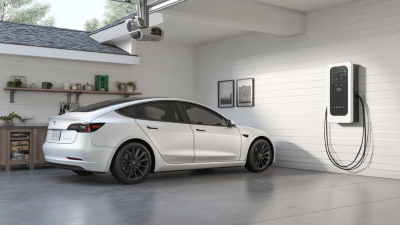
Installing a home wall EV charge station can seem overwhelming. Evaluating installation requirements is crucial. Start by assessing your garage or parking area. Measure the available space for the charger. Ensure there's adequate ventilation and access to your vehicle.
Consider the electrical capacity of your home. Your electrical panel must handle the charger's load. A professional can help evaluate this. You might need an upgrade, which can be costly. So, budgeting for this is important.
Tips: Check local regulations about EV chargers. Some areas have specific codes or permits that are required. Research possible rebates or tax incentives for installation. These can help offset costs. Reflect on your charging needs. Do you drive frequently? Then a Level 2 charger might be best.
Remember, not every installation will go smoothly. Be prepared for unforeseen challenges, like electrical issues or structural limitations. Take your time to choose wisely. This ensures a reliable and efficient charging solution for your home.
Home Wall EV Charge Station Installation Requirements
This bar chart illustrates key factors to consider when evaluating home wall EV charge station installation requirements. The values represent typical measures for space, electrical capacity, distance from the electrical panel, and permitting timelines.