10 Essential Tips for Choosing an AC Wall EV Charge Station
Choosing the right AC Wall EV Charge Station can feel overwhelming. With so many options available, it’s crucial to make an informed decision. John Smith, an industry expert with over a decade of experience in electric vehicle infrastructure, once said, “Selecting the right charging station is as important as the vehicle itself.” His insight highlights the necessity of careful consideration in choosing a station.
When evaluating an AC Wall EV Charge Station, think about your specific needs. Factors like charging speed, installation process, and compatibility with your vehicle play a significant role. Consider the future too. As electric vehicle technology evolves, ensure the selected station can adapt. Many forget to assess these critical aspects before making a purchase.
In this fast-changing environment, reflecting on your choices is essential. Are you prioritizing cost, or is convenience more important? By understanding your requirements and the available options, you can find the perfect AC Wall EV Charge Station tailored for your lifestyle. Careful analysis will lead to a more satisfying ownership experience.
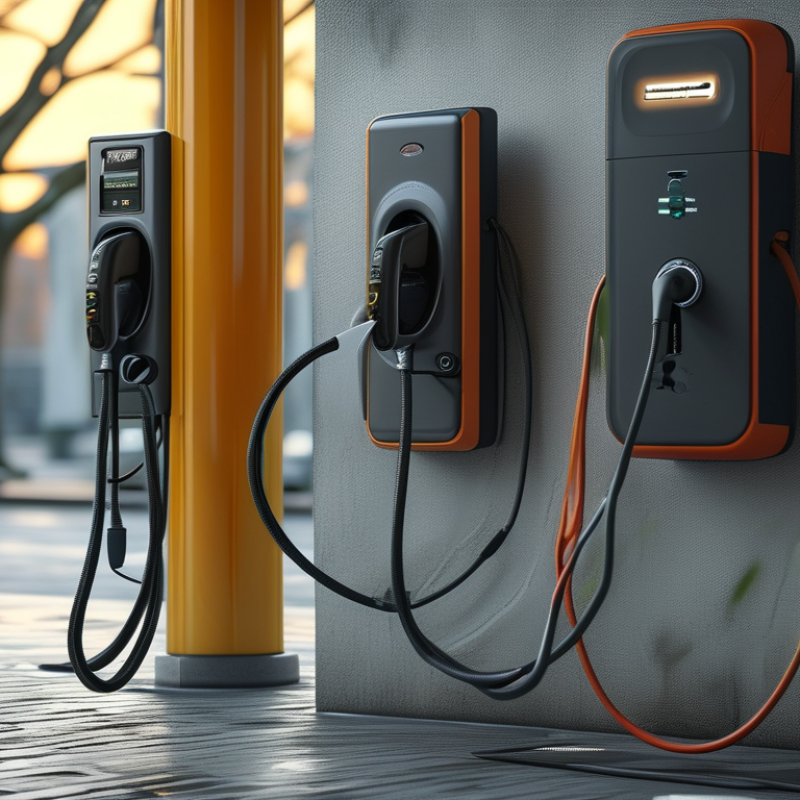
Factors to Consider for Selecting an AC Wall EV Charge Station
When selecting an AC wall EV charge station, several factors demand attention. Choosing the right amperage rating is crucial. Most household circuits support 15 to 50 amps. A charger with higher amperage can reduce charging time significantly. According to the U.S. Department of Energy, a Level 2 charger can provide up to 25 miles of range per hour, depending on the vehicle model. Ensuring compatibility with your electric vehicle is also vital. Not all stations support every EV type. Researching specifications can prevent costly mistakes.
Installation location impacts both efficiency and safety. Ideally, the station should be near your parked EV. This minimizes cable length and maximizes usability. The National Renewable Energy Laboratory indicates that well-situated charging stations enhance user satisfaction.
Additionally, consider weatherproofing features. Devices designed for outdoor use need adequate protections against rain and extreme temperatures. This ensures longevity and reliability.
Affordability is another important aspect. Initial costs can vary significantly. Higher-end models might offer faster charging but may not fit every budget. The market can also present incentives. Federal and state programs often provide rebates or tax credits for EV station installations. Understanding the financial landscape can aid in making a balanced decision. Balancing efficiency, cost, and features requires careful thought and sometimes, compromises.
Understanding Different Types of AC Wall EV Charge Stations
When selecting an AC wall EV charge station, understanding the
different types available is crucial. Most models fall into
Level 1 and Level 2 categories.
Level 1 chargers primarily use a standard 120V outlet, offering about
4-5 miles of range per hour of charging. This option is convenient
but slower, making it suitable for overnight charging at home.
According to a recent industry report, over 50% of EV owners prefer using
Level 2 chargers due to their quicker charging times.
Level 2 chargers require a dedicated 240V circuit and provide approximately
25 miles of range per hour. This is ideal for those who
often need faster power boosts. The report noted that around
60% of commercial installations today leverage Level 2 technology. However, not all
Level 2 chargers are created equal. Features such as smart
technology for tracking energy usage or compatibility with different EV models can vary
significantly. These differences may affect usability and effectiveness, prompting potential users
to weigh their options carefully.
A thoughtful examination of site installation and electrical infrastructure is key. Many installations encounter
complications from inadequate electrical panels or circuit overloads. On-site evaluations can help
anticipate these challenges. Although many charging stations boast quick
installation, improper assessments can lead to costly rewiring or even service disruptions.
Understanding these factors is vital for making an
informed choice.
Evaluating Charging Speed and Power Output Requirements
When evaluating charging speed and power output for an AC wall EV charge station, it starts with understanding your vehicle's requirements. Most electric vehicles need a specific power level for optimal charging. Look for chargers with a power output that matches your vehicle's capabilities. Typically, charging stations deliver between 3.7 kW to 22 kW. Know your own needs to ensure a suitable match.
Consider your location and daily driving habits. If you drive less than 30 miles a day, a lower output charger may suffice. However, for frequent long trips, a higher output can save you time. The installation location affects charging speed too. If you place the charger in a garage or dedicated space, it might enhance efficiency.
An often-overlooked aspect is future-proofing your setup. As technology evolves, battery capacities will increase. Predicting your charging needs for tomorrow is difficult. Yet, investing in a robust charging solution can be worthwhile. Balancing immediate needs with potential growth is a thoughtful approach. Engaging with professionals can lead to better insights into your decision-making process.
10 Essential Tips for Choosing an AC Wall EV Charge Station - Evaluating Charging Speed and Power Output Requirements
| Feature |
Description |
Importance Rating |
Typical Power Output (kW) |
Charging Speed (miles/hour) |
| Connector Type |
Determine compatibility with your EV's charging port. |
High |
7.2 |
25-30 |
| Installation Location |
Assess availability of electrical supply and space for installation. |
Medium |
Potentially varies |
Varies |
| Smart Features |
Consider remote monitoring and scheduling capabilities. |
High |
7.2 - 22 |
25-80 |
| Safety Features |
Look for built-in protection against overcurrent and short-circuiting. |
Very High |
7.2 |
25-30 |
| Warranty and Support |
Review the warranty and support options available. |
Medium |
5 - 10 |
10-15 |
| User Reviews |
Search for customer feedback on reliability and ease of use. |
High |
7.2 |
25-30 |
| Price |
Evaluate total cost, including installation and permits. |
High |
7.2 - 22 |
25-80 |
| Energy Efficiency |
Check for energy consumption metrics and certifications. |
Medium |
7.2 |
25-30 |
| Future Proofing |
Select a station that can accommodate upcoming EV models. |
High |
7.2 - 22 |
25-80 |
| Installation Type |
Assess whether you need a hardwired or plug-in model. |
Medium |
7.2 - 22 |
25-80 |
Installation Location and Space Constraints for Charge Station
Choosing the right location for an AC wall EV charge station is crucial. A report from the U.S. Department of Energy indicates that over 80% of EV charging occurs at home. Therefore, selecting an optimal installation site is essential for convenience and efficiency. The space should ideally accommodate the vehicle's length and width. A minimum clearance of 3 feet around the charge station is recommended for accessibility.
Considerations include proximity to the electric panel and minimizing the distance of cable run. Longer runs can lead to voltage drops, reducing charging efficiency. A study indicates that charging sessions exceeding 20 feet can reduce efficiency by up to 10%. Likewise, avoid areas prone to water accumulation, which can pose safety hazards. An ideal location is a shaded area to prevent the charger from overheating, as extreme temperatures can impact performance.
Installation space should also account for the needs of future technologies. As EV technology evolves, your charging station may require upgrades. An accessible outdoor area with appropriate mounting surfaces can facilitate future improvements. Leave room for potential expansion, as the number of EVs on the road is expected to double by 2025. Preparing for this shift can save costs and ensure your infrastructure remains relevant.
Assessing Compatibility with Your Electric Vehicle Model
Choosing an AC wall EV charge station is critical for maximizing efficiency. Compatibility with your electric vehicle (EV) model should be your primary focus. Different EVs have varied charging requirements. For instance, some may support Level 2 charging, while others might need specialized connectors. According to the Electric Vehicle Infrastructure Projection Study by the U.S. Department of Energy, nearly 90% of EV owners prefer at-home charging solutions. This makes compatibility issues even more significant.
Before purchasing a charge station, verify the charging capacity. Look for stations that offer adjustable power settings. Not all electric vehicles can handle the same power intake. For example, if your vehicle's onboard charger only accepts 16 amps, a 32-amp station could lead to wasted energy. Ensure that the station you choose aligns with your model's specifications.
Tip: Always consult your vehicle’s manual for specific charging requirements. Many manufacturers provide detailed charts on compatibility. Additionally, consider the electrical infrastructure of your home. It might be necessary to upgrade wiring or installation to ensure optimal performance. Without these adjustments, you risk slower charging times. Make informed decisions by weighing options and verifying compatibility thoroughly. Always remember that the right charge station is crucial for an efficient EV experience.
Charging Speeds of Different Electric Vehicle Models
This bar chart displays the charging speeds in kilowatts (kW) for various electric vehicle models. It helps consumers assess compatibility with AC wall charge stations based on the charging power requirements of their vehicles.