Top 10 Electric Car Recharge Stations You Need to Know?
As electric cars gain popularity, knowing where to recharge is essential. Electric Car Recharge Stations are becoming increasingly widespread, but not all are created equal. Some offer fast charging, while others may leave you waiting. Understanding these differences can greatly impact your travel plans.
Imagine a road trip where you confidently drive, knowing you can find charging stations along the way. Yet, not every location provides the same level of convenience. Some stations may be overcrowded, leading to delays. Others might lack amenities, making waits uncomfortable. Identifying the best options helps avoid frustration.
This guide highlights the top Electric Car Recharge Stations you should know about. Each station offers unique features that cater to different needs. Whether you prioritize speed, accessibility, or nearby facilities, there’s a station for you. Being informed empowers you to make better choices during your journeys. Keep reading to discover the top picks that promise a seamless experience.
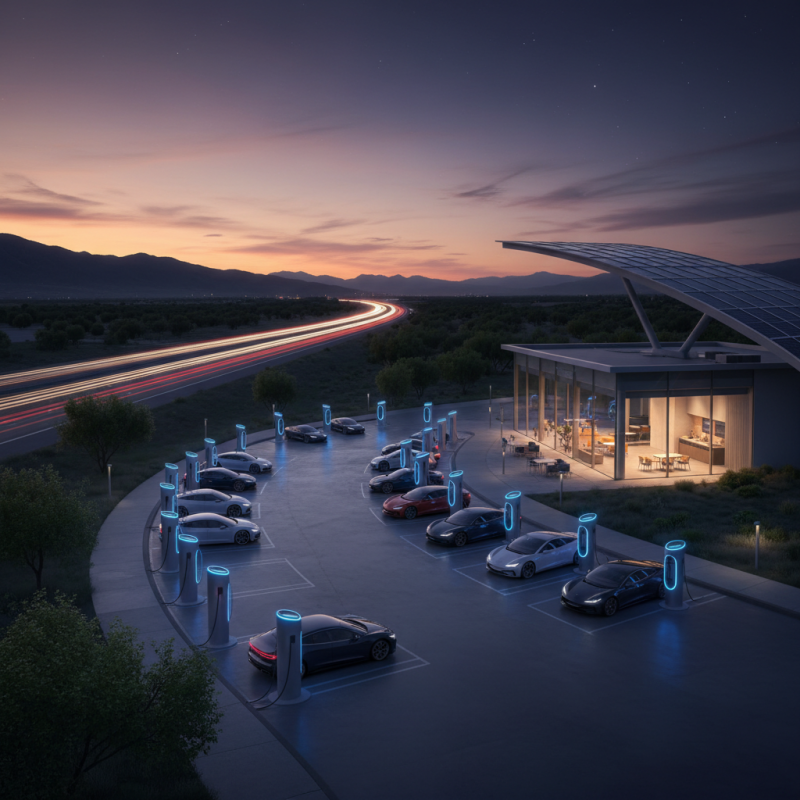
Overview of Electric Car Recharge Stations
Electric vehicle (EV) recharge stations are essential for the growth of sustainable transportation. According to a report by the International Energy Agency, there were over 1.3 million public charging points worldwide in 2021. This number is projected to increase as more consumers adopt electric cars.
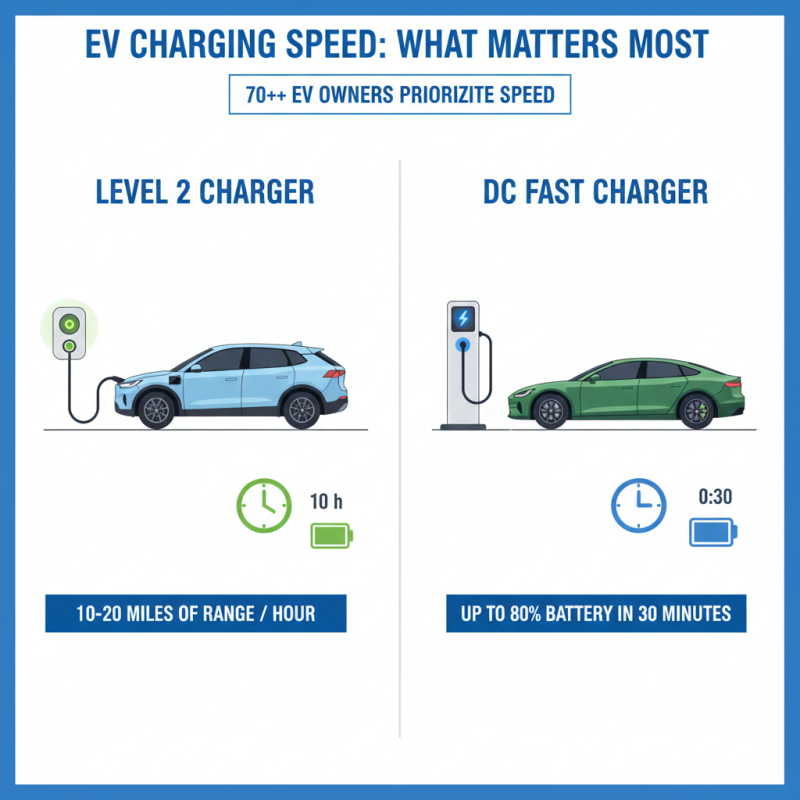
These recharge stations vary by speed and availability. Level 1 chargers take the longest, while DC fast chargers provide rapid charging. A study by the U.S. Department of Energy showed that fast chargers can recharge up to 80% of an EV's battery in just 30 minutes. Understanding charger types is crucial for efficient travel planning.
Tips: Always check charging station locations before your trip. Download apps that show real-time availability. Consider charging during off-peak hours to avoid waiting. Regular navigation updates can lead you to the closest station.
However, challenges persist. Accessing charging infrastructure in rural areas can be difficult. Additionally, some locations have limited operational hours. Drivers may find themselves planning routes carefully, which can sometimes be a hassle. Despite these obstacles, the demand for EV recharge stations continues to drive innovation and expansion.
Importance of Charging Infrastructure for Electric Vehicles
The charging infrastructure is crucial for electric vehicles. As more people adopt electric cars, reliable charging stations become essential. These stations not only enhance convenience but also alleviate range anxiety. Many drivers worry about running out of battery on long trips. A well-distributed network of charging points can ease these fears.
However, the current charging infrastructure often has its limitations. Some areas lack sufficient charging stations, making long trips challenging. Additionally, the speeds of these chargers vary significantly. Fast chargers are not always accessible, which can lead to longer wait times. This inconsistency can frustrate drivers who are in a hurry.
Developing a robust charging network requires attention and investment. Integrating charging stations into urban planning is necessary. Public spaces, shopping centers, and highways should feature these facilities prominently. Enhancing visibility can increase usage and awareness. Despite its importance, we have a long way to go to ensure comprehensive coverage in all regions. This needs careful consideration and strategic planning from stakeholders in the electric vehicle sector.
Top Locations for Electric Car Recharge Stations Worldwide
Electric cars are becoming more prevalent. As a result, finding reliable recharge stations is crucial. There are many locations worldwide that cater to electric vehicle owners. Some spots are well-known and easily accessible. Others may surprise you with their convenience and amenities.
Major cities often have numerous recharge stations. Popular areas include urban centers and highways. Many stations are strategically placed near restaurants and shopping areas. This allows drivers to take a break while their vehicles recharge.
However, not all stations are created equal. Some may have long waiting times or limited connections. It’s wise to check availability before planning your trip.
In remote locations, recharge options can be sparse. Planning ahead becomes essential when traveling to these areas. Some hidden gems may exist, but they’re not always easy to find. It can be frustrating to encounter a station out of service.
Visiting online forums or apps dedicated to electric vehicles can help. They often provide up-to-date information on recharge station statuses. It's an ongoing journey to ensure electric vehicle infrastructure meets growing demand.
Key Features to Consider When Choosing a Recharge Station
When choosing an electric car recharge station, several key features come into play. The charging speed is crucial. Level 2 chargers typically provide around 10 to 20 miles of range per hour. In contrast, DC fast chargers can deliver up to 80% of battery capacity in just 30 minutes. According to recent industry reports, over 70% of EV owners prioritize charging speed when selecting a station.
Another significant factor is the location of the recharge stations. Accessibility can greatly impact convenience. A survey indicated that 64% of users prefer stations near shopping centers and restaurants. Parking availability also matters. Limited parking may discourage drivers from using a station, especially in busy areas.
Lastly, user-friendly payment options are essential. Many drivers want seamless payment methods, like mobile apps or contactless payments. Reports suggest that around 55% of EV drivers favor stations offering multiple payment options. However, some stations still lack basic technological integration, leaving users frustrated. Identifying stations that meet these needs can improve the overall EV charging experience considerably.
Future Trends in Electric Car Charging Technology
As electric vehicles (EVs) gain popularity, innovative charging solutions are emerging. Studies indicate the EV market grew by over 40% in 2022, signaling increased demand for efficient charging technology. One trend is the rise of ultra-fast charging stations. These stations can deliver up to 350 kW, providing an 80% charge in just 15-20 minutes. This drastic reduction in charging time can enhance the EV experience significantly.
Charging technology is also evolving with wireless solutions. Researchers suggest that inductive charging could become mainstream by 2025. This system allows EVs to charge without physical connections, improving convenience. However, the infrastructure for this technology is still in early development stages. Many still lack access to even basic charging networks, making widespread adoption challenging.
Tip: Always plan your route around charging stations. Apps can help find nearby locations.
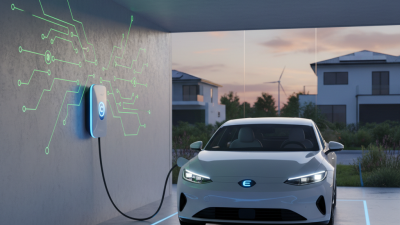
Moreover, smart charging systems are taking center stage. These systems use data analytics to optimize charging times and rates. For instance, charging can occur during off-peak hours to save on costs. However, the challenge remains in integrating these smart technologies into existing grids. Upgrading infrastructure is costly and time-consuming.
Tip: Look for local incentives for charging installations. Government programs can help ease the financial burden.