Top 10 Type 1 EV Chargers for Fast and Efficient Charging Solutions
In the rapidly evolving world of electric vehicles, charging solutions are paramount for drivers seeking efficiency and convenience. According to Dr. Emily Harper, a leading expert in the EV charging industry, "The growth of electric vehicle adoption hinges on the availability of reliable and fast charging infrastructure, particularly with Type 1 EV Chargers." Her insight underscores the critical role that Type 1 EV Chargers play in enabling seamless travel and reducing range anxiety for electric vehicle owners.
As the demand for electric vehicles continues to rise, choosing the right Type 1 EV Charger becomes increasingly important. These chargers not only offer swift charging capabilities but also serve diverse needs, from home charging stations to public charging networks. Dr. Harper emphasizes that investing in a high-quality Type 1 EV Charger can significantly enhance the overall EV experience, providing drivers with peace of mind and flexibility in their journeys.
In this article, we will explore the top 10 Type 1 EV Chargers available today, each selected for their speed, efficiency, and user-friendly features. By understanding the landscape of charging solutions, electric vehicle enthusiasts can make informed decisions that align with their driving habits and lifestyle, ultimately contributing to a more sustainable future.
Top Features to Consider in Type 1 EV Chargers
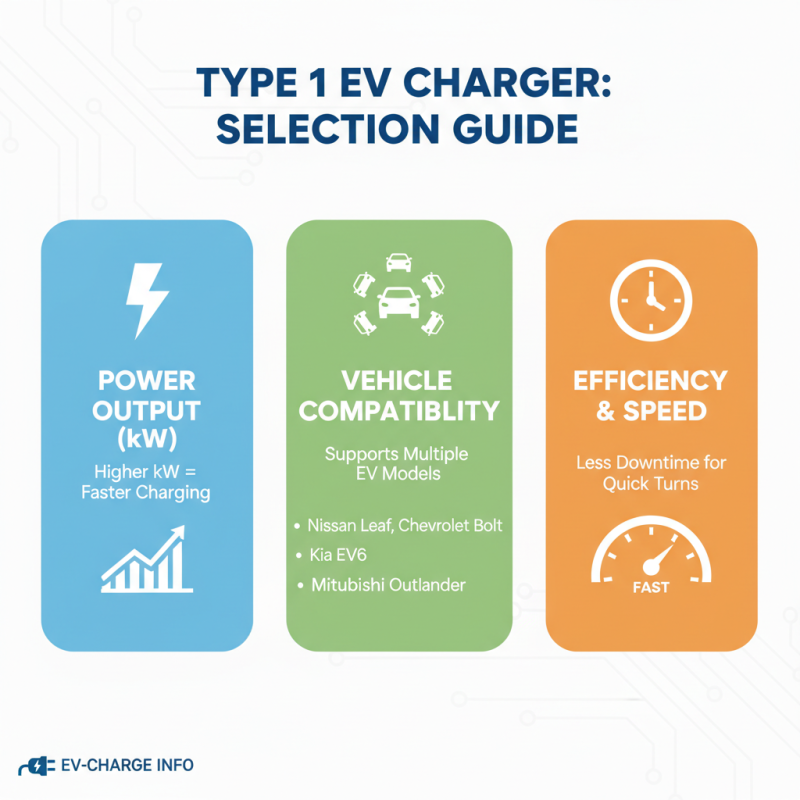
When selecting a Type 1 EV charger, several key features should be carefully considered to ensure fast and efficient charging. One of the primary factors is the charger’s power output, typically measured in kilowatts (kW). Higher power ratings allow for quicker charging times, making it essential for users who frequently need to power up their electric vehicles in shorter durations. Additionally, compatibility with various vehicles is critical. A charger that supports multiple electric vehicle models can enhance versatility, eliminating the need for different charging stations for various cars.
Another important feature to consider is the connectivity options available with the charger. Modern EV chargers often come equipped with Wi-Fi or Bluetooth connectivity, allowing users to monitor charging statuses and receive updates via a mobile application. This feature not only improves user convenience but can also help in managing electricity consumption and costs. Furthermore, safety standards and certifications should not be overlooked. Ensuring that the charger meets all necessary safety regulations protects both the vehicle and the user during the charging process, providing peace of mind while powering up.
Comparing Charging Speeds: Level 1 vs. Level 2 EV Chargers
When it comes to charging electric vehicles (EVs), understanding the differences between Level 1 and Level 2 chargers is essential for optimizing both speed and efficiency. Level 1 chargers, which typically use a standard 120V outlet, deliver a modest charging speed of approximately 2 to 5 miles of range per hour. This slow rate is often suitable for overnight charging at home but may not meet the needs of drivers seeking a quicker solution.
In contrast, Level 2 chargers operate on a 240V outlet and can significantly reduce charging time, providing about 10 to 60 miles of range per hour, depending on the vehicle's charging capability. According to the Department of Energy, Level 2 chargers not only charge EVs faster but are also more widely installed in public charging stations, with a growing trend reflecting their importance in expanding charging infrastructure. Industry reports forecast that Level 2 chargers will account for over 70% of the installed EV charging stations by 2025, highlighting their crucial role in the transition to electric mobility. With the increasing adoption of electric vehicles, drivers must consider investing in Level 2 chargers for a more efficient and convenient charging experience.
Review of the Leading Brands in Type 1 EV Chargers
When it comes to electric vehicle (EV) charging, Type 1 chargers have emerged as a popular choice for their efficiency and speed. Several leading brands have made a name for themselves by developing robust and user-friendly charging solutions designed to cater to a wide range of EV models.
These chargers typically feature advanced technology that not only enhances charging speed but also offers fleet management systems and smart connectivity options, allowing users to monitor their charging sessions in real time.
One standout feature of top Type 1 EV chargers is their compatibility with a variety of home and public charging networks, making them convenient for everyday use. Many models also focus on ease of installation, with some equipped for both indoor and outdoor environments.
Additionally, the emphasis on safety and energy efficiency ensures that users can charge their vehicles with confidence. By providing diverse power options and intelligent charging algorithms, these chargers pave the way for a more sustainable future in electric mobility, empowering drivers with quick and efficient energy solutions.
Installation and Maintenance Tips for Type 1 EV Chargers
When installing Type 1 EV chargers, it is crucial to consider the electrical infrastructure of the location. The main electrical panel should have sufficient capacity to support the added load from the charger. According to the U.S. Department of Energy, a dedicated circuit with a 40-amp breaker is typically recommended for Level 2 charging stations, which allow faster charging times. Additionally, proper placement is essential for both accessibility and safety. Installing the charger near the parking area can facilitate ease of use while minimizing the risk of tripping hazards or damage to the unit.
Regular maintenance is key to ensuring the longevity and efficiency of Type 1 EV chargers. Users should periodically check for any signs of wear or damage to the charging cable and connectors, as these components can become compromised over time with regular use. The International Electrotechnical Commission (IEC) advises that annual inspections can help identify potential issues before they lead to costly repairs or safety hazards. Furthermore, keeping the charger clean and free of debris will help maintain optimal performance and reduce the risk of overheating, a common concern for high-power charging systems. Following these installation and maintenance guidelines will ensure a reliable charging experience for EV users, supporting the growing demand for electric vehicle infrastructure.
Top 10 Type 1 EV Chargers - Charging Speed Comparison
Cost Analysis: Investment vs. Savings with Type 1 EV Chargers
When considering the investment in Type 1 EV chargers, it's essential to perform a thorough cost analysis that weighs both initial expenses and long-term savings. The upfront costs typically include the price of the charger itself, installation fees, and any necessary electrical upgrades. While these costs can be significant, they are often offset by various incentives that many governments offer to promote the use of electric vehicles. Tax rebates, grants, and subsidies can substantially reduce the initial financial burden, making the transition to electric mobility more accessible.
In terms of savings, Type 1 EV chargers can lead to significant reductions in fuel costs over time. Electricity rates are typically lower than gasoline prices, and as home charging becomes more common, car owners can take advantage of off-peak electricity rates to charge their vehicles more cheaply. Additionally, maintaining an electric vehicle generally incurs lower costs compared to traditional combustion engines, as EVs have fewer moving parts and require less frequent servicing. Over several years, the cumulative savings from reduced fuel consumption and maintenance can make investing in Type 1 EV chargers a financially sound decision, promoting both economic and environmental sustainability.
Top 10 Type 1 EV Chargers for Fast and Efficient Charging Solutions - Cost Analysis: Investment vs. Savings with Type 1 EV Chargers
| Rank |
Charger Type |
Charging Speed (kW) |
Estimated Cost ($) |
Annual Savings ($) |
Return on Investment (ROI) % |
| 1 |
Level 2 Charger |
7.2 |
500 |
200 |
40% |
| 2 |
Level 2 Charger |
9.6 |
650 |
250 |
38% |
| 3 |
Level 3 Charger |
50 |
15000 |
5000 |
33% |
| 4 |
Portable Charger |
3.6 |
300 |
100 |
33% |
| 5 |
Wall-mounted Charger |
7.2 |
550 |
210 |
38% |
| 6 |
Level 2 Charger |
11.5 |
700 |
300 |
43% |
| 7 |
Smart Charger |
22 |
2500 |
1000 |
40% |
| 8 |
Home Charging Station |
7.2 |
450 |
180 |
40% |
| 9 |
Fleet Charger |
50 |
20000 |
8000 |
40% |
| 10 |
Rapid Charger |
100 |
30000 |
12000 |
40% |