2026 Top Wall Ev Charge Station Trends for Global Buyers?
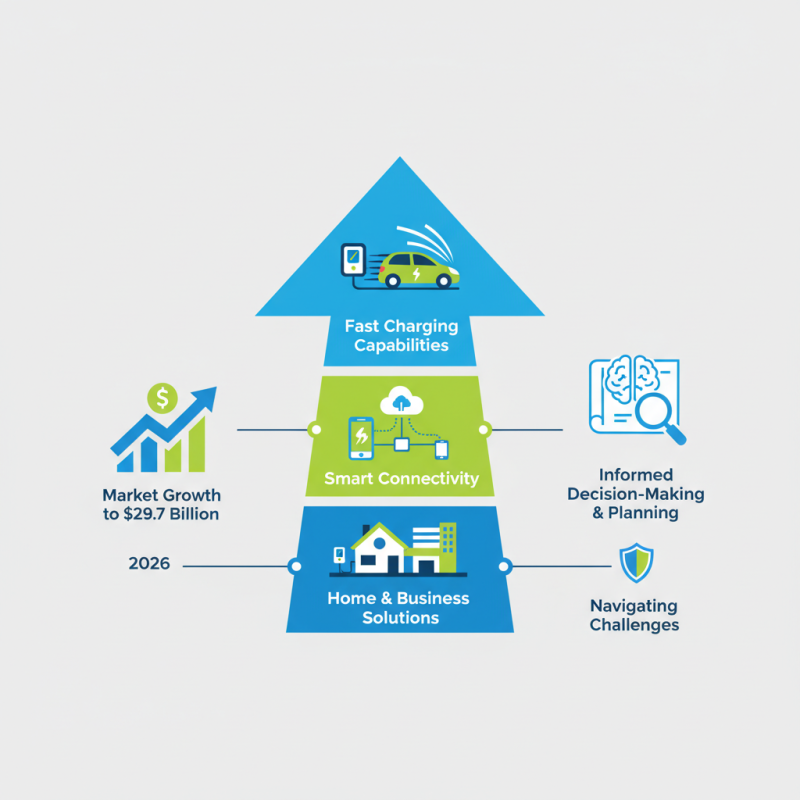
As the world continues to pivot towards sustainable energy, the Wall Ev Charge Station industry is gaining momentum. According to a recent report by ResearchAndMarkets, the electric vehicle charging market is projected to reach $29.7 billion by 2026. This presents lucrative opportunities for global buyers seeking advanced solutions. Industry expert Dr. Emily Chen, a leading figure in EV infrastructure, states, “The demand for Wall Ev Charge Stations is skyrocketing as consumers prioritize convenience and efficiency.”
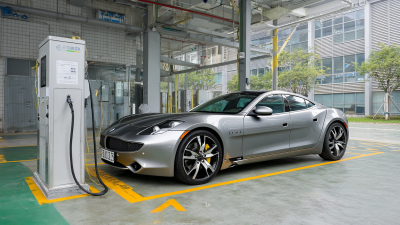
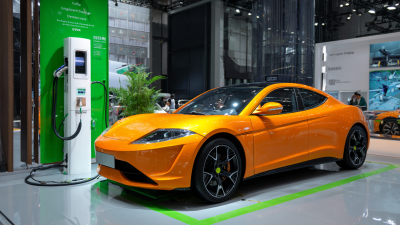
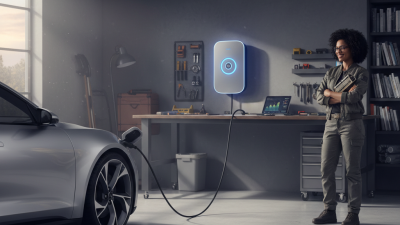
The rise in electric vehicle adoption necessitates a robust charging infrastructure. Wall Ev Charge Stations are becoming essential for homeowners and businesses alike. They offer a practical solution, enabling users to charge vehicles at home or on commercial premises. With advancements in technology, new features are emerging. Fast charging capabilities and smart connectivity make these stations more appealing.
However, challenges remain. Not all residential or commercial locations are equipped for installation. Site assessments and permitting can delay the deployment of Wall Ev Charge Stations. Buyers must be aware of these complexities. Navigating the Wall Ev Charge Station landscape requires informed decision-making and planning. The upcoming trends in 2026 will shape the future of this essential infrastructure, making it imperative for global buyers to stay well-informed.
Emerging Technologies in Wall EV Charge Stations by 2026
The wall EV charge station market is poised for significant advancements by 2026. Research indicates a projected growth of approximately 30% annually in this sector. Emerging technologies will play a crucial role in transforming how electric vehicles charge at home and in public spaces. Smart charging solutions that incorporate AI and IoT are gaining traction. These technologies enhance user experience by optimizing charging times based on energy demand and availability.
The integration of renewable energy sources is another key trend. Reports suggest that by 2026, at least 40% of wall EV chargers will be compatible with solar energy systems. This trend not only promotes sustainability but also reduces electricity costs for users. However, many existing models face challenges in meeting energy efficiency standards. Stakeholders need to address these issues to ensure broader adoption.
Furthermore, the focus is shifting towards user-friendly interfaces and enhanced connectivity features. Consumers favor stations that provide real-time data on charging status, energy usage, and grid conditions. Yet, some designs still lack intuitive navigation. As the market evolves, balancing technology and user experience will be essential. This dual focus can help bridge the gap between innovation and practical usability.
2026 Top Wall EV Charge Station Trends
Key Features and Specifications for Global Buyers in 2026
As we approach 2026, the demand for wall EV charge stations is set to grow significantly. Buyers are increasingly searching for solutions that provide efficiency and convenience. Key features for these charge stations will include smart charging capabilities. This means users can monitor and control charging times via mobile apps. Energy management will also be a critical specification. Stations that optimize energy usage can help reduce costs and environmental impact.
Another important aspect is compatibility with various EV models. It is essential that charge stations cater to diverse users. A universal charging connector can streamline the experience for buyers. Additionally, safety features must not be overlooked. Built-in surge protection and thermal management are critical to prevent potential hazards. However, as technology evolves, buyers may find it challenging to navigate options.
User feedback will play a crucial role in shaping future designs. Not every station will meet performance expectations. Some may experience frequent malfunctions or require complex installations. Buyers should research and consider reliability ratings. The landscape is changing, and being informed will help buyers make better choices in the evolving market.
Sustainability Trends Influencing EV Charging Station Development
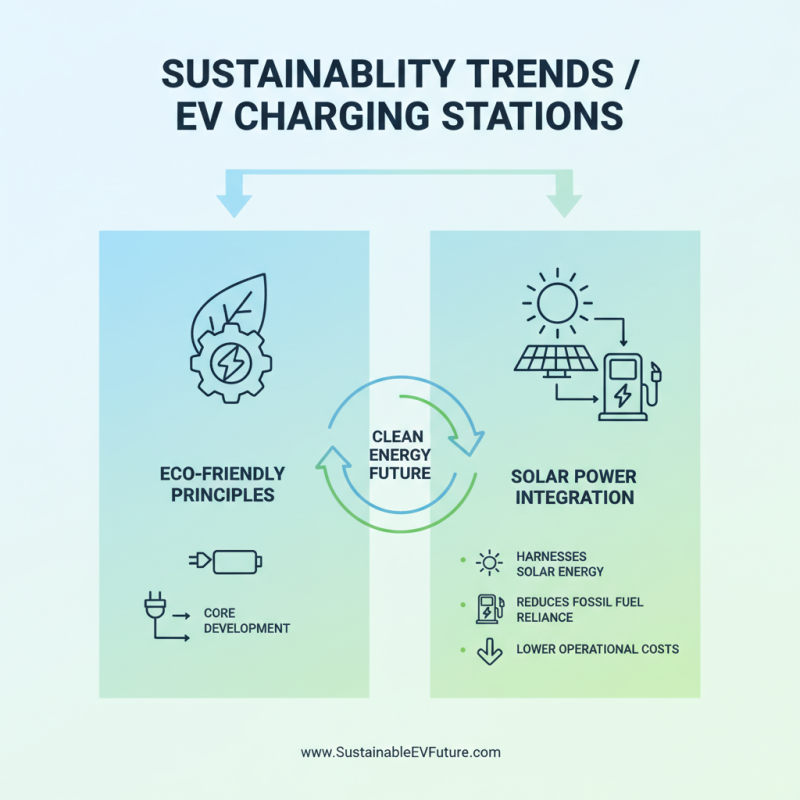
As the world moves towards greater sustainability, EV charging stations are being developed with eco-friendly principles at their core. Solar panels are becoming a common feature. These installations harness energy from the sun. This not only reduces reliance on fossil fuels but also lowers operational costs over time.
Additionally, battery storage systems are being integrated into many charging points. These systems store excess energy generated during peak sunlight. They allow stations to provide power even when the sun isn't shining. However, the implementation can be costly and may require more investment than traditional stations.
Moreover, urban planning is reshaping the way charging stations are integrated into communities. Locations are being selected based on accessibility and traffic flow. Yet, some areas may lack adequate infrastructure to support the growth of EV charging. This reflects a need for thoughtful consideration and investment in urban sustainability. The road ahead for EV charging stations is promising, yet there are many challenges that demand attention.
Market Forecast and Growth Opportunities for EV Charging Solutions
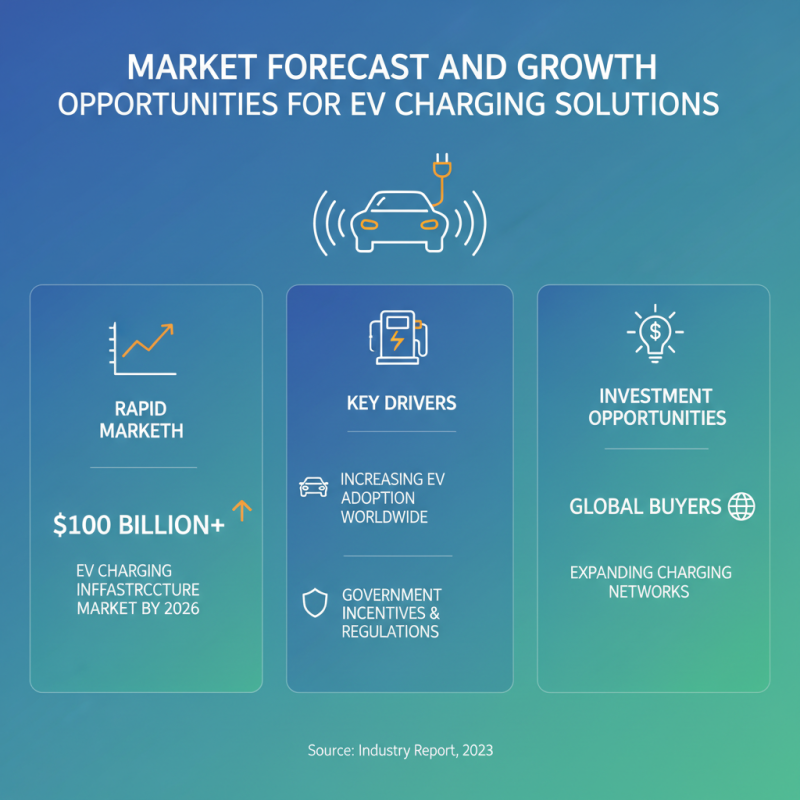
The EV charging station market is poised for significant growth through 2026. The global demand for electric vehicle charging solutions is projected to rise sharply, driven by the increasing adoption of EVs. According to a recent industry report, the market for EV charging infrastructure could exceed $100 billion by 2026. This growth presents numerous opportunities for global buyers looking to invest in EV charging solutions.
As public and private sectors escalate their investment in charging infrastructure, understanding local regulations is crucial. Cities and governments are beginning to establish standards. Compliance will be an important factor in determining the success of new installations. For instance, estimated growth rates for public charging stations are expected to reach over 25% annually in certain regions. Such figures reflect both a growing need and an opportunity for innovative solutions in charging technology.
Tips: When selecting charging stations, consider location and accessibility. Think about the energy source as well; renewable energy integration is becoming critical. Evaluate partnerships with local businesses to enhance service offerings. Reflect on potential challenges, such as grid reliability, which may impact station performance. Staying informed about evolving technologies will be key to maximizing investment returns in this dynamic market.
Regional Insights: Global Variations in EV Charging Infrastructure Trends
The global electric vehicle (EV) charging infrastructure is evolving rapidly, influenced by regional variations. According to a recent report from the International Energy Agency, global sales of electric cars surged by 40% in 2022, reaching 10 million units. This surge impacts charging stations significantly. Europe leads the way, with over 350,000 public charging points. In contrast, North America is catching up, yet only boasts around 150,000 public stations.
Emerging markets are also noting shifts. Countries in Asia are investing heavily in charging networks. For instance, China accounted for roughly two-thirds of global EV sales in 2022. Infrastructure growth is vital to meet future demands. Government policies play a crucial role in shaping these trends. The focus on sustainable solutions is driving investment.
Tips: Focus on local needs when evaluating EV charging infrastructure. Understanding regional demands can optimize investments. Moreover, collaboration between governments and private companies can enhance growth.
Despite the growth, challenges exist. The accessibility of charging stations varies significantly across regions, and urban-rural divides remain prominent. Some areas still lack adequate charging solutions. Continued investment in diverse infrastructure is essential. Planners must address these gaps to ensure widespread EV adoption.
2026 Top Wall Ev Charge Station Trends for Global Buyers
| Region |
Number of Charge Stations |
Growth Rate (%) |
Average Charging Time (hours) |
Market Share (%) |
| North America |
100,000 |
15 |
1.5 |
30 |
| Europe |
150,000 |
20 |
2 |
40 |
| Asia Pacific |
200,000 |
25 |
1 |
25 |
| Latin America |
30,000 |
10 |
2.5 |
5 |
| Middle East & Africa |
20,000 |
8 |
3 |
3 |