Best AC Wall EV Charge Station for Global Buyers?
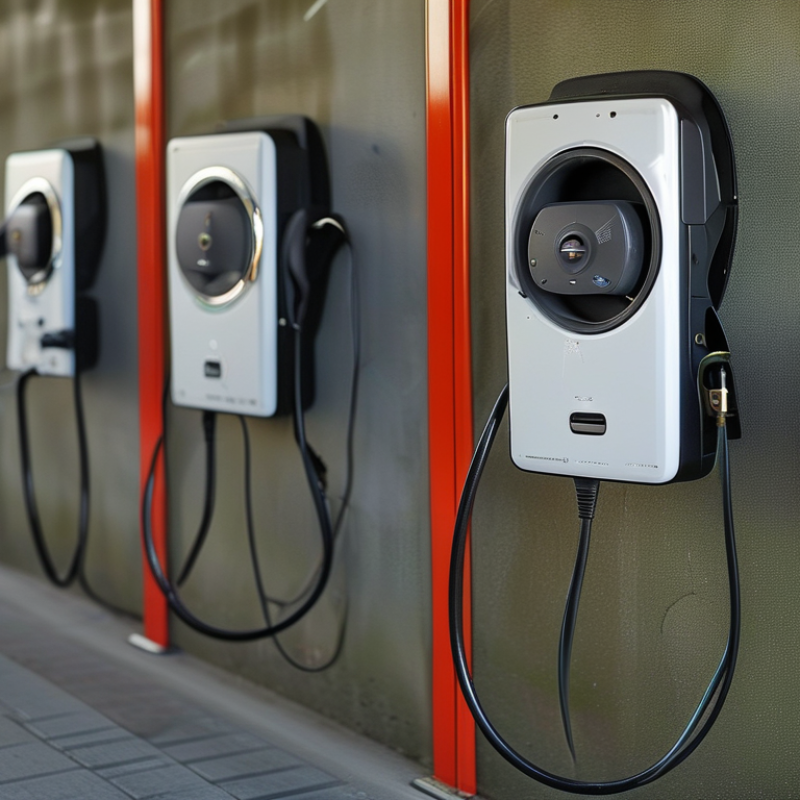
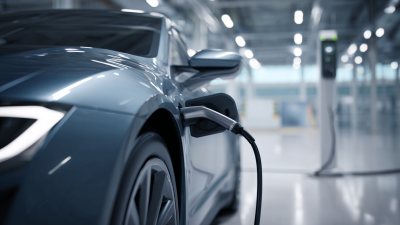
As electric vehicles gain popularity, the demand for convenient EV charging solutions has risen significantly. The AC Wall EV Charge Station stands out as a practical option for many homeowners. This station offers reliable and efficient charging power, essential for daily EV use. Choosing the right charging station can be overwhelming, given the multitude of options available.
Factors like installation requirements and compatibility with various electric vehicles matter. Some stations may offer advanced features but could lack user-friendliness. It's crucial for buyers to critically evaluate their needs and potential challenges. Additionally, considering the station's warranty and customer support can impact long-term satisfaction. Overall, while an AC Wall EV Charge Station presents great benefits, careful thought is necessary to ensure it aligns with user expectations and lifestyle.
Overview of AC Wall EV Charge Stations
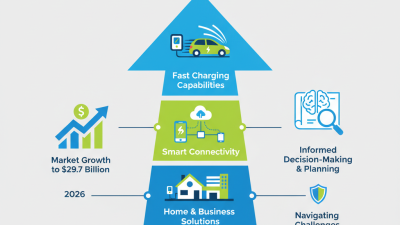
The demand for AC Wall EV Charge Stations continues to rise as electric vehicle adoption grows. By 2024, the global market for EV charging equipment is expected to reach over $30 billion. This significant growth is backed by increasing government incentives and consumer preference for eco-friendly transportation.
AC Wall EV Charge Stations offer a practical solution for home charging. Typically, these stations deliver power ranging from 3.7 kW to 22 kW, allowing users to fully charge their vehicles overnight. Interestingly, the average user charges their vehicle for about 5 hours per session. Charge time depends on the vehicle's battery size and the station's output.
However, there are still challenges to consider. Many consumers are unaware of the installation requirements, which can vary greatly based on local regulations. Additionally, the efficiency of charging can be impacted by the power grid's status. This complexity can deter potential buyers. A better understanding of these factors can aid users in making informed decisions about their charging solutions.
Key Features to Consider in an EV Charge Station
When selecting an AC wall EV charge station, key features should be prioritized. One important consideration is the charging speed. Look for stations that offer Level 2 charging capabilities. This type of charger can significantly reduce charging time. Many buyers overlook this detail, but it drastically affects daily use.
The connector type is another crucial aspect. Ensure compatibility with your vehicle. Many charging stations now support multiple connector types. This flexibility can save time and avoid frustration. Additionally, consider the installation process. Some chargers require professional installation, which can add to the overall cost. Assess your available electrical capacity and the location for installation.
Lastly, check for user-friendly features. A built-in display can provide essential information and notifications. Wireless connectivity can enable remote monitoring and management through smartphone apps. While these features add convenience, they also introduce complexity. Consider your level of comfort with technology. Balancing advanced features with usability is essential for an optimal charging experience.
Top Brands and Models for Global Buyers
When exploring the best AC wall EV charge stations for global buyers, a few brands and models stand out based on professional assessments. According to a recent market analysis, the demand for Level 2 chargers is expected to grow at a CAGR of over 20% by 2025. This growth reflects the increasing adoption of electric vehicles and the need for efficient charging solutions.
Leading in the academic and industry insights, studies have shown that ease of use and installation are critical factors for buyers. Many consumers prefer models that are compact and compatible with various EV types. One report highlighted that 70% of users prioritize charging speed and safety features. Robust safety certifications, like UL listings, can greatly enhance the reliability of these stations.
Notably, the global landscape reveals a disparity in user experiences. Some customers report challenges in locating the right model or installation services in their regions. It remains evident that access to reliable information is crucial for decision-making. Furthermore, the consistency in customer support varies considerably across different brands, highlighting the importance of thorough research before purchase.
Best AC Wall EV Charge Station for Global Buyers
| Model |
Charging Power (kW) |
Connector Type |
Smart Features |
Price Range ($) |
| EV Charger Model A |
7.2 |
Type 2 |
Wi-Fi, App Control |
500 - 700 |
| EV Charger Model B |
11 |
J1772 |
Smart Scheduling |
600 - 900 |
| EV Charger Model C |
22 |
Type 2 |
Mobile App Integration |
900 - 1200 |
| EV Charger Model D |
3.7 |
Schuko |
Basic Timer |
300 - 500 |
| EV Charger Model E |
16 |
CCS |
Energy Monitoring |
800 - 1100 |
Installation and Maintenance Tips for EV Chargers
When installing an EV charger, location matters greatly. Choose a spot close to your electrical panel. This minimizes installation costs and maximizes efficiency. According to a recent report from the International Energy Agency, about 85% of EV charging occurs at home. Therefore, proper installation is crucial for convenience and safety.
Ensure you follow local regulations. Compliance reduces potential risks and future liabilities. According to the U.S. Department of Energy, many homeowners complete installations without professional help. However, engaging a certified electrician is advisable for complicated setups. It ensures your system adheres to safety standards and performs effectively.
Regular maintenance is key to keeping your EV charger functional. Inspect the charger for any signs of wear and tear. Clean the connectors to avoid charging issues. A study indicates that around 20% of EV chargers experience operational issues due to neglect. Simple checks can help prolong the life of your equipment and enhance overall performance.
Future Trends in EV Charging Technology
The future of EV charging technology shows promising developments. One significant trend is the shift towards ultra-fast charging stations. These stations can provide a full charge in under 30 minutes, which greatly enhances convenience for electric vehicle owners. This rapid charging capability appeals to consumers who value time efficiency. The technology behind these stations is evolving, leveraging better battery management systems and advanced cooling techniques.
Another important trend is the integration of renewable energy sources into charging stations. Many new installations are incorporating solar panels to power the charging units. This trend aligns with the global movement towards sustainability. It offers consumers a clean, renewable alternative for powering their vehicles. However, these systems can face challenges, particularly in areas of inconsistent sunlight. Reliability must be affirmed as these technologies are adopted more widely.
Moreover, mobile app connectivity is becoming a standard feature. Users benefit from real-time data about charging station availability and status. This feature enhances the user experience and offers a seamless transition from driving to charging. Still, the reliance on apps can exclude less tech-savvy consumers. As charging technology progresses, ensuring accessibility for all should remain a priority in development discussions.