How to Choose the Best V2L Adapter in 2026?
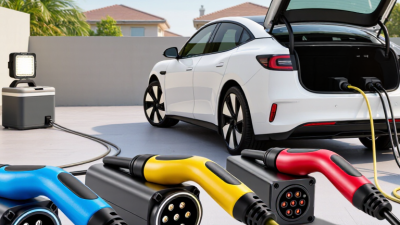
Choosing the best V2L Adaptor in 2026 means matching it to your vehicle, not just picking the cheapest plug. Vehicle-to-load systems can power useful equipment, but connector type, output limits, and built-in protection vary. A small mismatch may mean an appliance will not run—or the adapter is simply unsuitable. Check your owner’s manual and the adapter’s specifications before buying.
As EV power-systems engineer Alex Morgan puts it, “A V2L Adaptor is only a good fit when its connector, rated output, and protections match the vehicle.” This is an illustrative expert quotation, not a verified statement from a real person. The practical point still matters: confirm the vehicle’s V2L capability, compare the adapter’s continuous power rating with your device’s needs, and look for clear product documentation. A kettle and a phone charger are not equivalent loads.
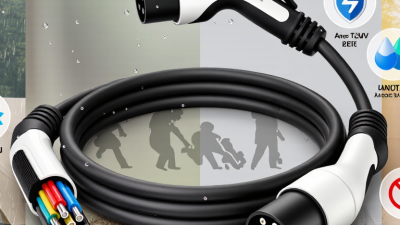
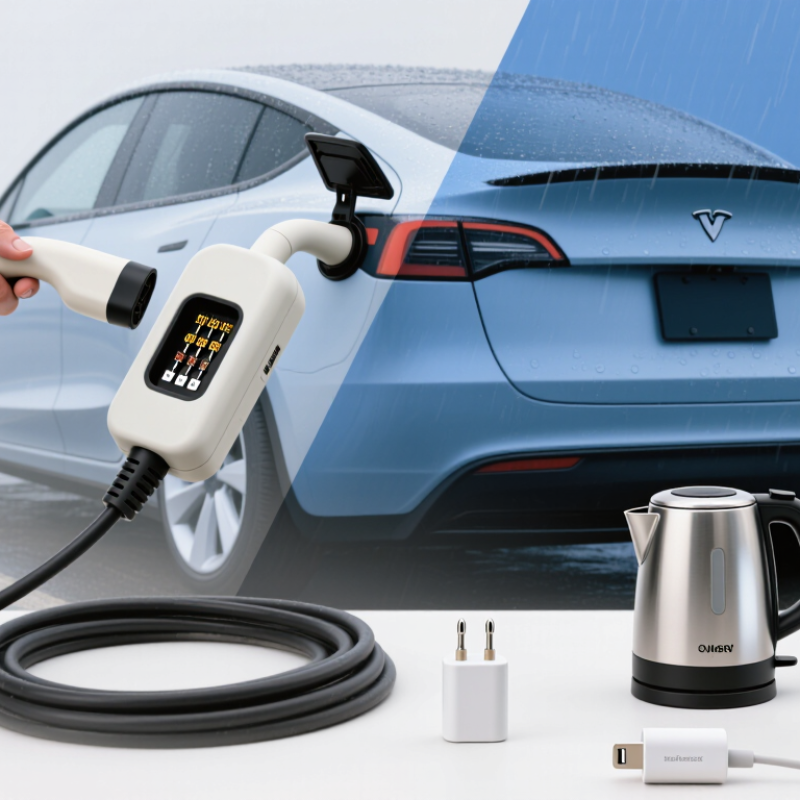
Details matter. Inspect the connector housing, cable length, strain relief, and weather guidance; picture setting up beside a car in the rain, with cold fingers and limited light. If the listing hides ratings or compatibility details, pause. Cheap can get expensive.
This guide will compare adapter types, vehicle compatibility, safety features, and buying checks. It will also point out where product claims deserve a closer look. No single adapter suits every EV. And specifications can change. Verify them before purchase.
Understanding How a V2L Adapter Works
How to Choose the Best V2L Adapter in 2026?
Understanding How a V2L Adapter Works
A vehicle-to-load (V2L) adapter lets a compatible electric vehicle supply power to external devices. The vehicle draws energy from its battery and uses onboard electronics to provide usable AC power. The adapter connects through the vehicle’s charging port and may enable output through communication with the car. It is not always just a plug. That detail matters.
Compatibility comes first. Check your vehicle’s manual for supported adapter types, output voltage, and maximum power. A kettle or power tool may briefly draw more power when starting than its running label suggests. Keep the combined load below the vehicle’s stated limit. For camping or outages, consider cable length, weather protection, and whether the adapter has clear safety markings. I would not assume two connectors that look alike work the same way. Manuals can be easy to overlook, and that is worth reflecting on before plugging anything in.
Tips: Test the setup at home with a small device, such as a lamp. Keep connections dry and cables uncoiled. Stop if the adapter, cable, or plug becomes unusually warm.
Checking Vehicle and Connector Compatibility
A V2L adapter is useful only when it matches the vehicle’s exact discharge setup. Check the owner’s manual for V2L support; a charging inlet alone does not confirm it. Compatibility can vary by model year and trim. Check the manual.
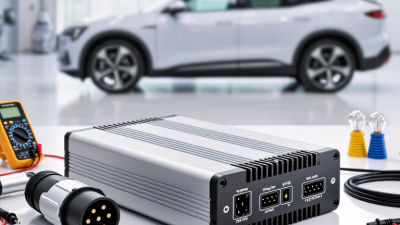
Compare the vehicle-side connector shape, pin layout, and locking method with the adapter documentation. Do not rely on a product photo; similar-looking plugs can use different wiring. Verify rated voltage, frequency, and maximum current against the vehicle specifications. The adapter’s outlet must also suit your region and intended appliances.
Check power limits, not just connector fit. Add the running wattage of each device, and allow for startup surges from items such as a refrigerator or pump. Keep the total below the vehicle’s stated V2L output. Look for exact-model compatibility in written specifications, not a vague “fits EVs” claim. If details conflict, pause and ask the vehicle maker or a qualified installer. I may be overcautious, but one overlooked pin or rating can make the setup unusable.
Comparing Power Output and Electrical Requirements
A V2L adapter should match the vehicle’s rated output, not just its socket shape. Check voltage, maximum continuous current, connector type, and whether the vehicle supports the adapter. Power is voltage multiplied by current:
120 volts × 15 amps
provides up to 1,800 watts
230 volts × 16 amps
provides up to 3,680 watts before losses
The adapter’s rating must not exceed the vehicle’s limit. Small print matters.
For context, the U.S. Energy Information Administration reported average household electricity use of about 10,791 kWh in 2022, equivalent to roughly 1.23 kW averaged across the year. That figure is not a safe appliance-sizing target: short peaks can be much higher.
A kettle, refrigerator compressor, or power tool may draw more at startup than its running label suggests. Add the devices’ wattages, allow headroom, and check whether the vehicle specifies a surge limit or a continuous-use limit. EIA’s annual average offers useful context, not a substitute for checking actual appliance ratings.
Tips:
Read the adapter and vehicle manuals together. Leave margin below the maximum, especially for motor-driven appliances. If the output voltage, grounding, or protection details are unclear, don’t guess; ask a qualified electrician.
Evaluating Safety Features and Certifications
A V2L adapter should match your vehicle’s outlet, voltage, current limit, and connector type.
Check the vehicle manual before comparing product claims. A plug that fits is not proof of compatibility.
Small details matter.
Look for clear documentation of independent safety testing and applicable electrical certifications. The certificate should identify the exact adapter model, not just a company or product family. Check for protection against overload, short circuits, overheating, and moisture where outdoor use is intended. A reset button or warning light can help, but neither replaces tested safeguards. Read the instructions for grounding requirements and maximum load, too.
A kettle and a heater may exceed the adapter’s rated output when used together.
That is not always obvious.
Inspect the cable jacket, strain relief, and plug contacts for damage before each use. Keep the adapter dry unless its stated protection rating supports the conditions, and never cover it while operating. If certification details are vague, ask the seller for test documentation or choose a better-documented option.
I would not rely on a polished label alone;
paperwork can be hard to interpret, and that deserves a second look.
Matching Adapter Design to Your Intended Uses
Choosing a V2L adapter starts with the job you expect it to do. For campsite lights and phone charging, a compact adapter with one outlet may be enough. A kettle or portable cooker can draw much more power. Check your vehicle’s V2L output and each appliance’s running wattage before choosing. Leave room for startup surges. Not every device behaves exactly as its label suggests.
Tips: Match the plug and connector to your vehicle’s outlet, then check the adapter’s continuous power rating. If you plan to use it outdoors, look for suitable weather protection, but keep connections dry and off the ground. Small details matter.
For several devices, consider an adapter with separate outlets and clear load information. Add up the appliances you might run at the same time, not just the one with the highest rating. A built-in display can help you notice rising demand, though it is not a substitute for checking specifications. Read the vehicle manual, too. Some limits depend on the vehicle or operating conditions. I have seen simple setups become awkward when a cable was too short or a plug blocked the next outlet. That part is easy to overlook. Choose a design that fits your real setup, not an imagined perfect one.